
Field dossier07 chapters03 primary sources

Nevada Mining News

Nevada Mining News & Updates: From the Comstock Lode to Today

Explore Nevada mining news and updates, from the Comstock Lode and gold mining to lithium production and the state’s critical role in America’s mining future.

Scene 01 · What is changing across Nevada

What is changing across Nevada

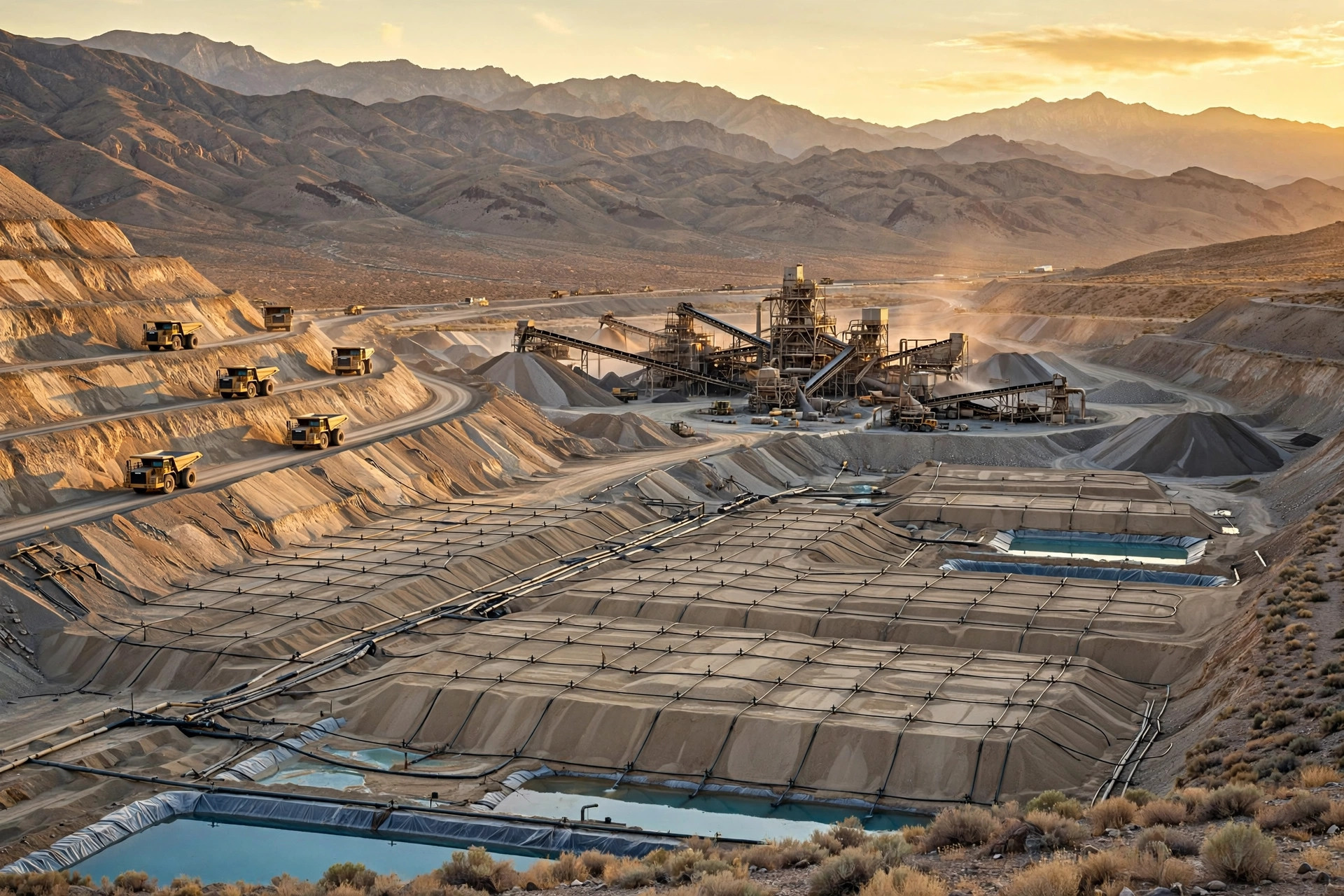
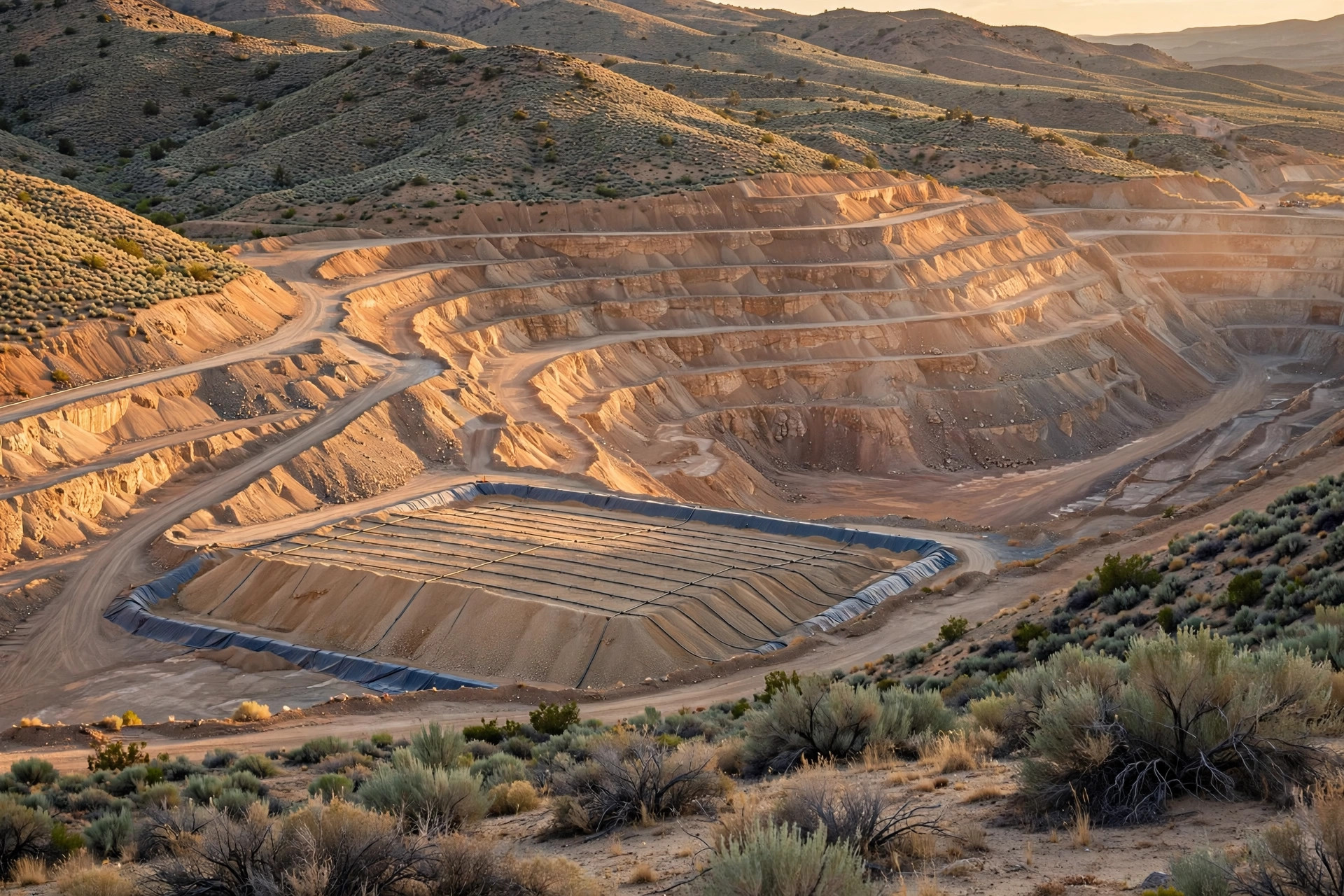
Nevada links the Comstock Lode, modern Carlin-type gold systems, major silver operations, copper mines, lithium brines, industrial minerals, and one of the deepest mineral-services ecosystems in the United States. Its public agencies publish unusually detailed production, claims, reclamation, and mine information, giving researchers a strong starting record.

This living report follows operating updates, drilling, resources, engineering, permits, financing, construction, reclamation, policy, workforce, and supply-chain developments. It is updated when a material primary source changes the state picture, not simply to refresh a date.

Scene 02 · The historical foundation

The historical foundation

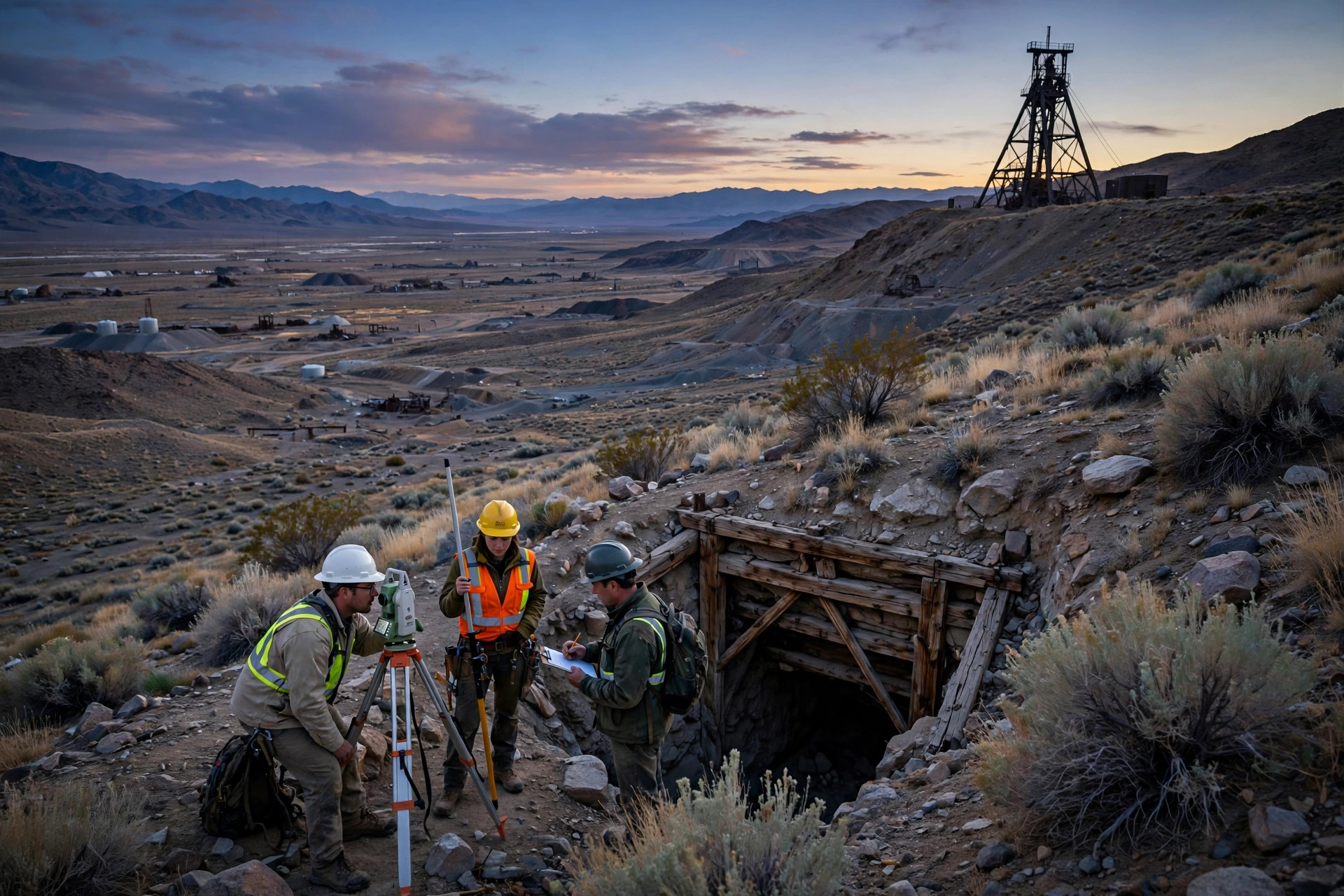
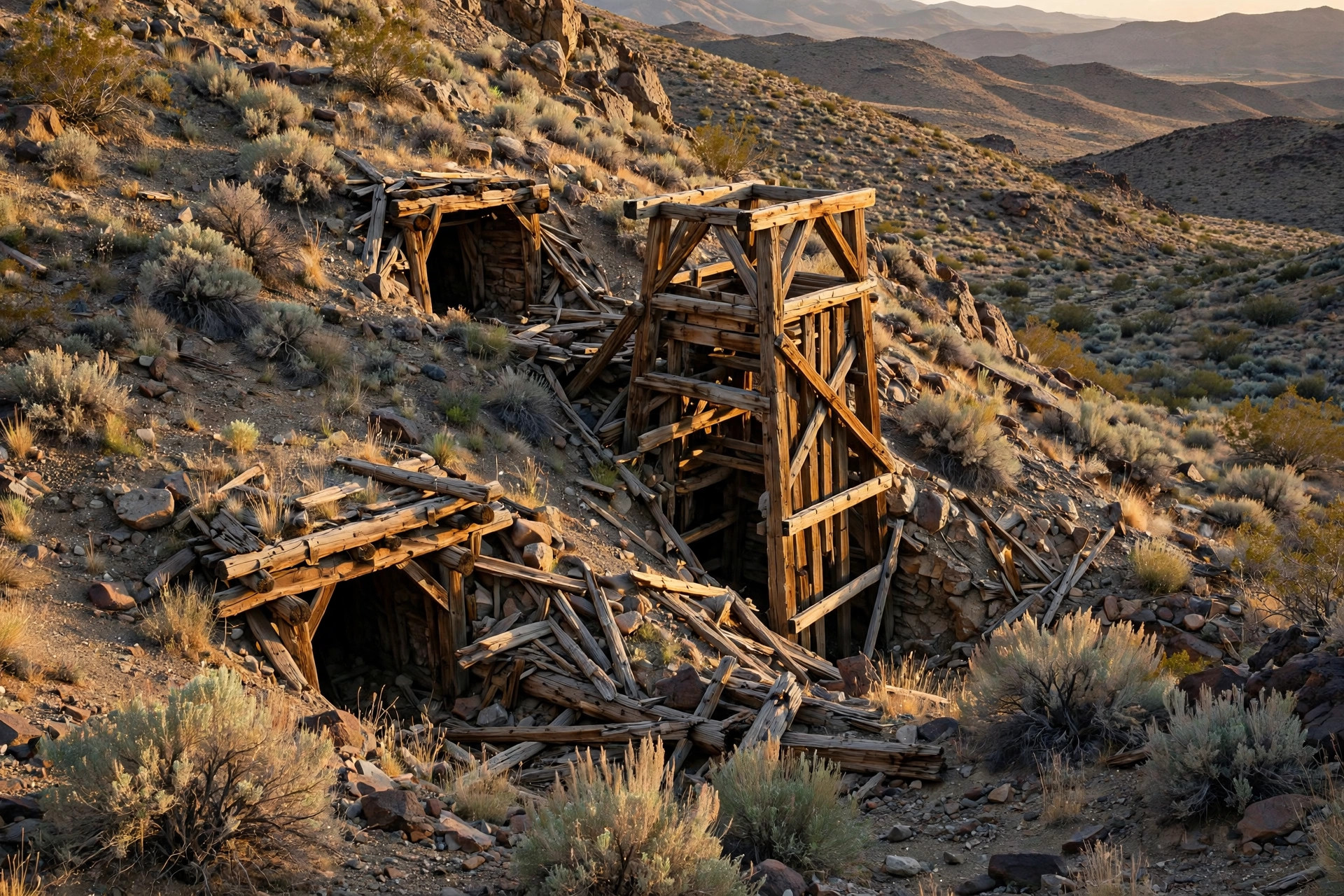
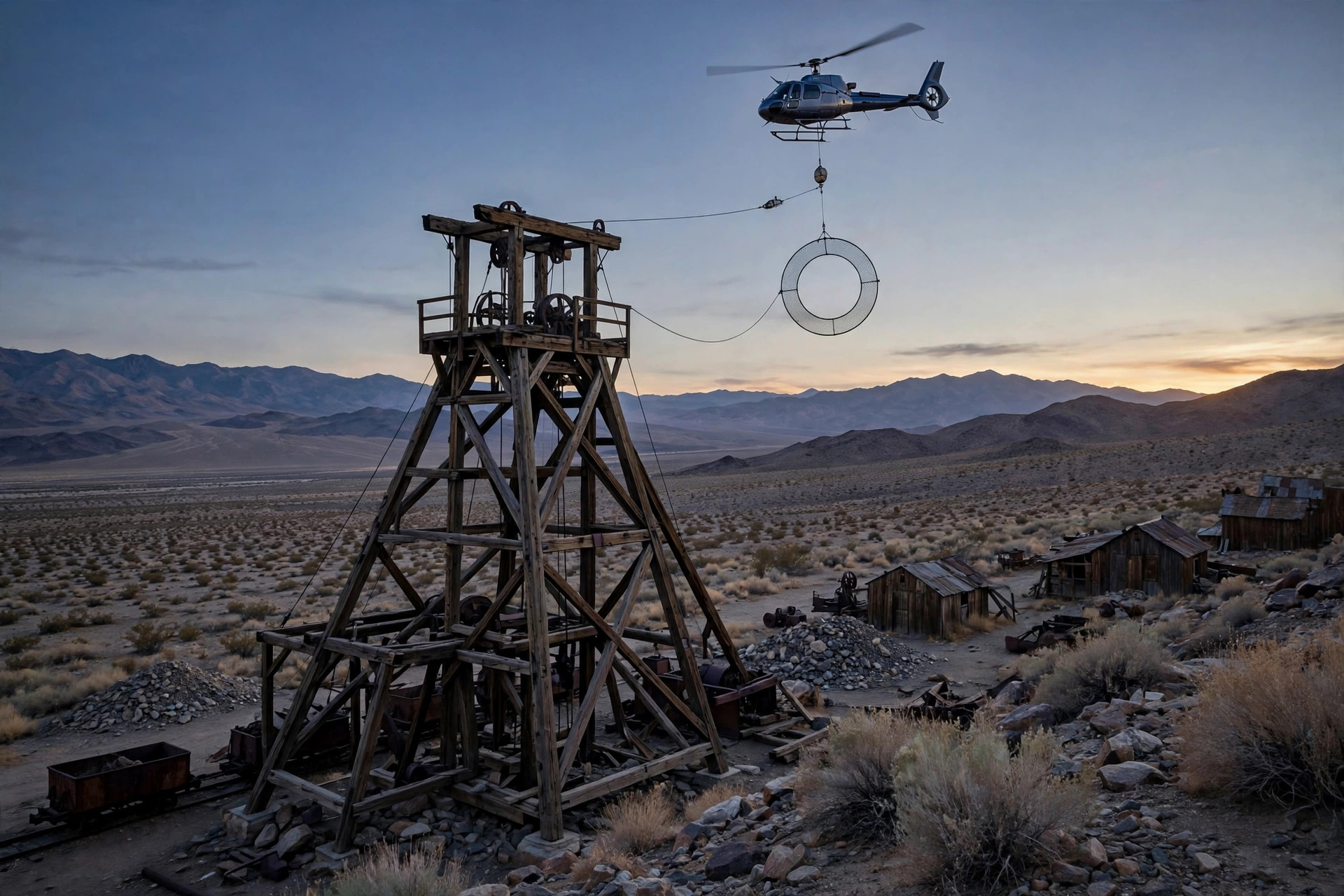
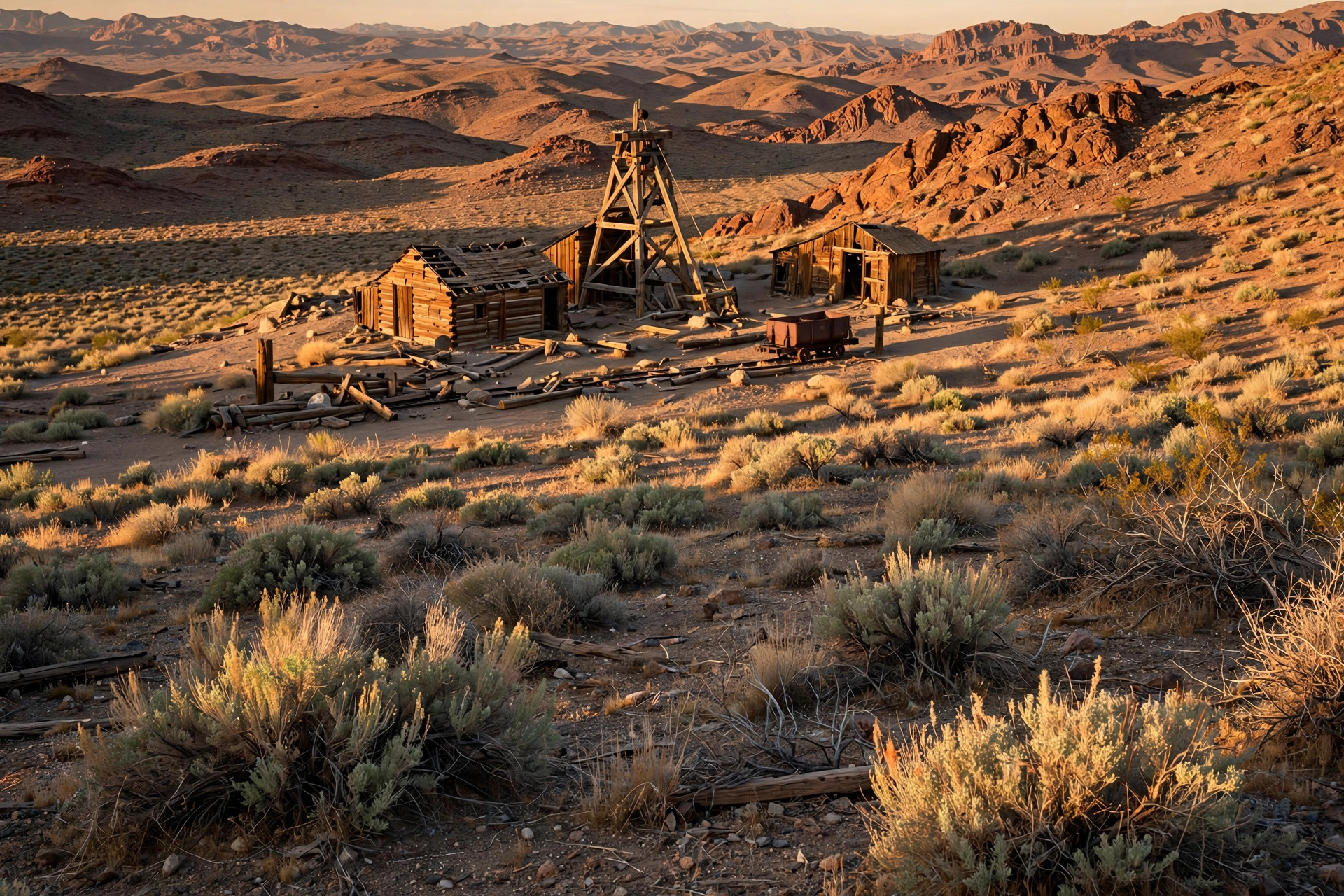
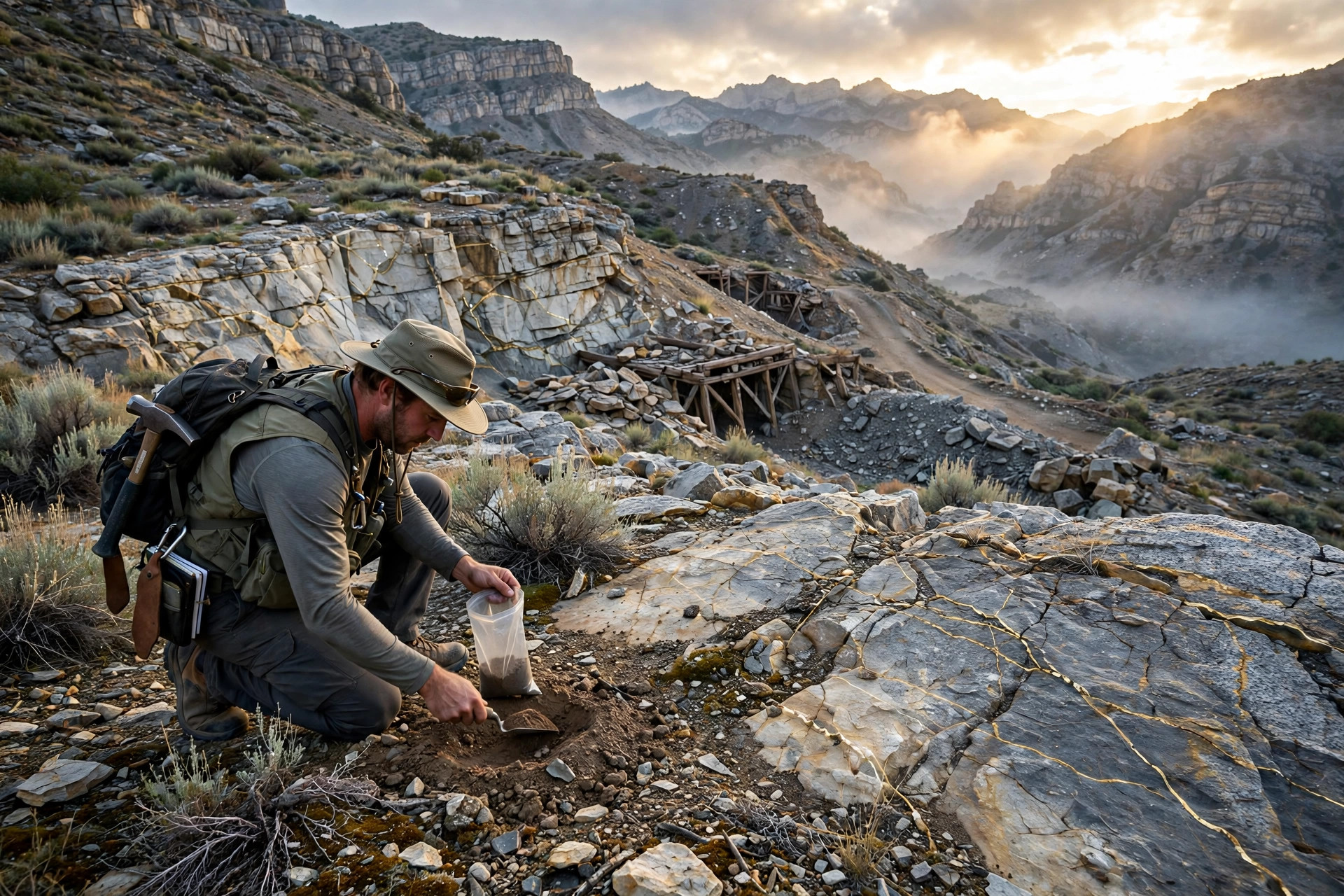
The 1859 Comstock discovery transformed Virginia City and helped establish the Silver State's identity. Later camps spread across Tonopah, Goldfield, Ely, and other districts. The twentieth-century development of microscopic gold on the Carlin Trend created a new mining model and ultimately made Nevada the center of United States gold production.

History gives current developments a district-scale frame, but each modern claim still needs current evidence. A reopening, expansion, restart, or new discovery may use old infrastructure and knowledge while facing a completely new ownership, regulatory, technical, and capital environment.

Scene 03 · Operators, developers, and projects to watch

Operators, developers, and projects to watch

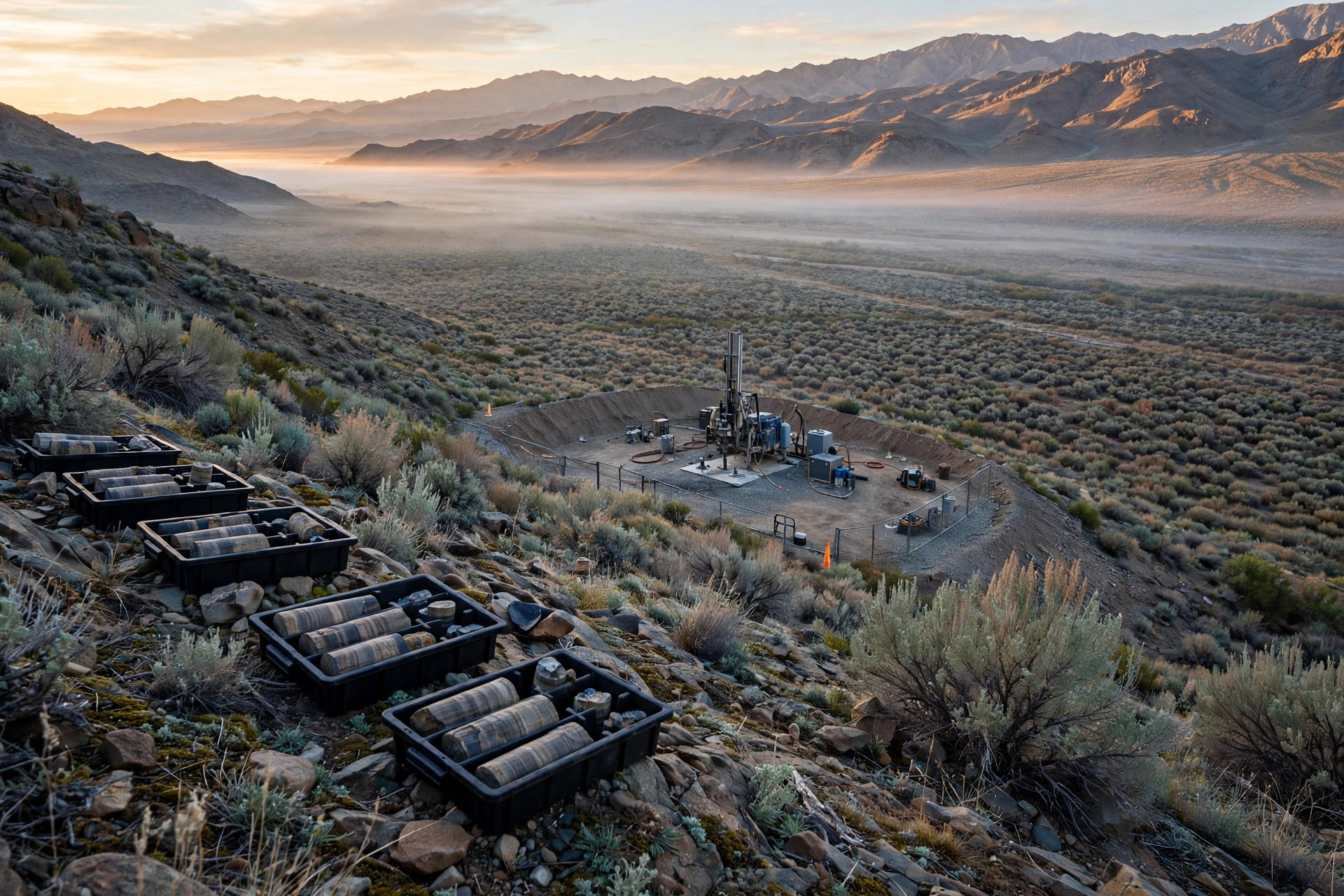
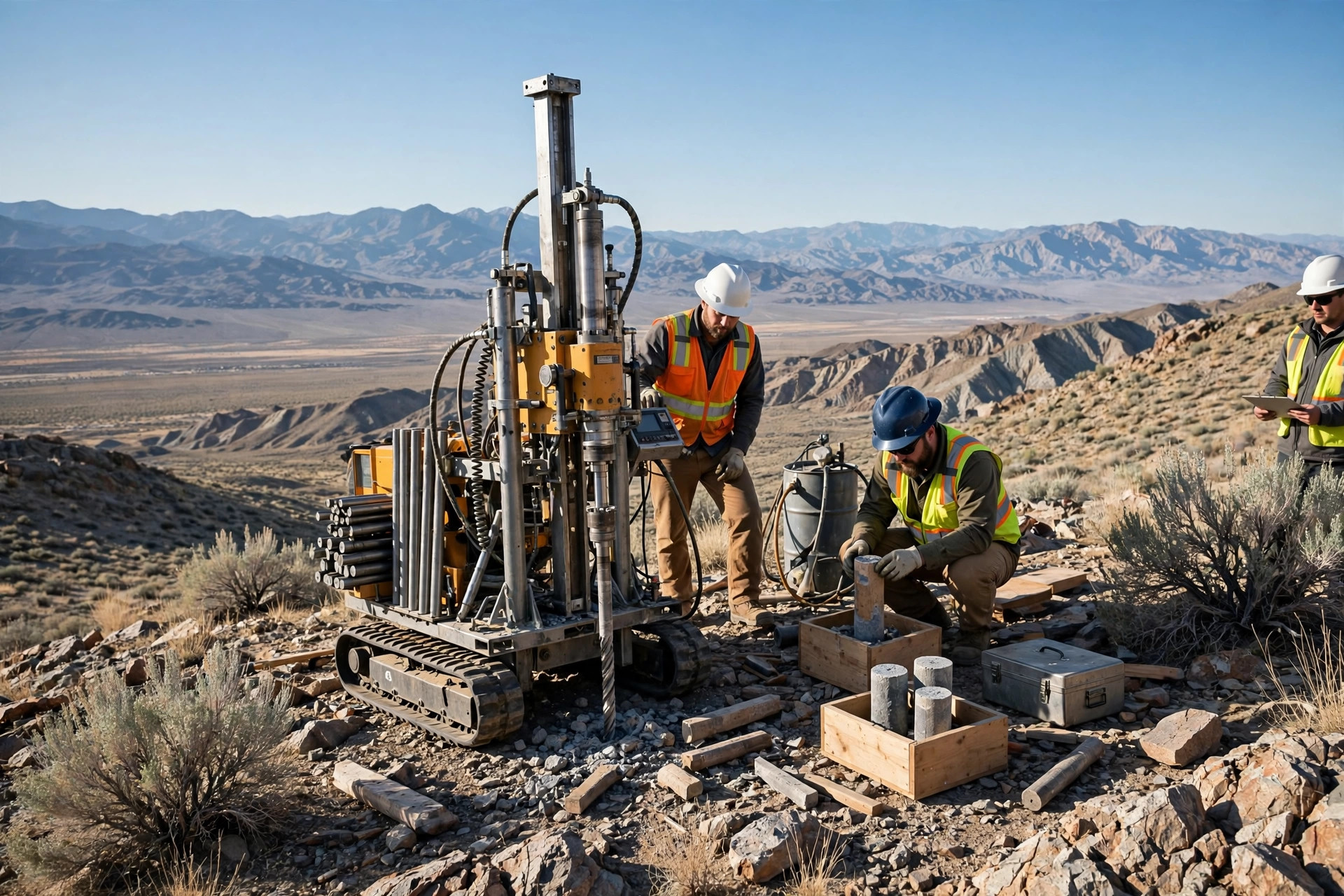
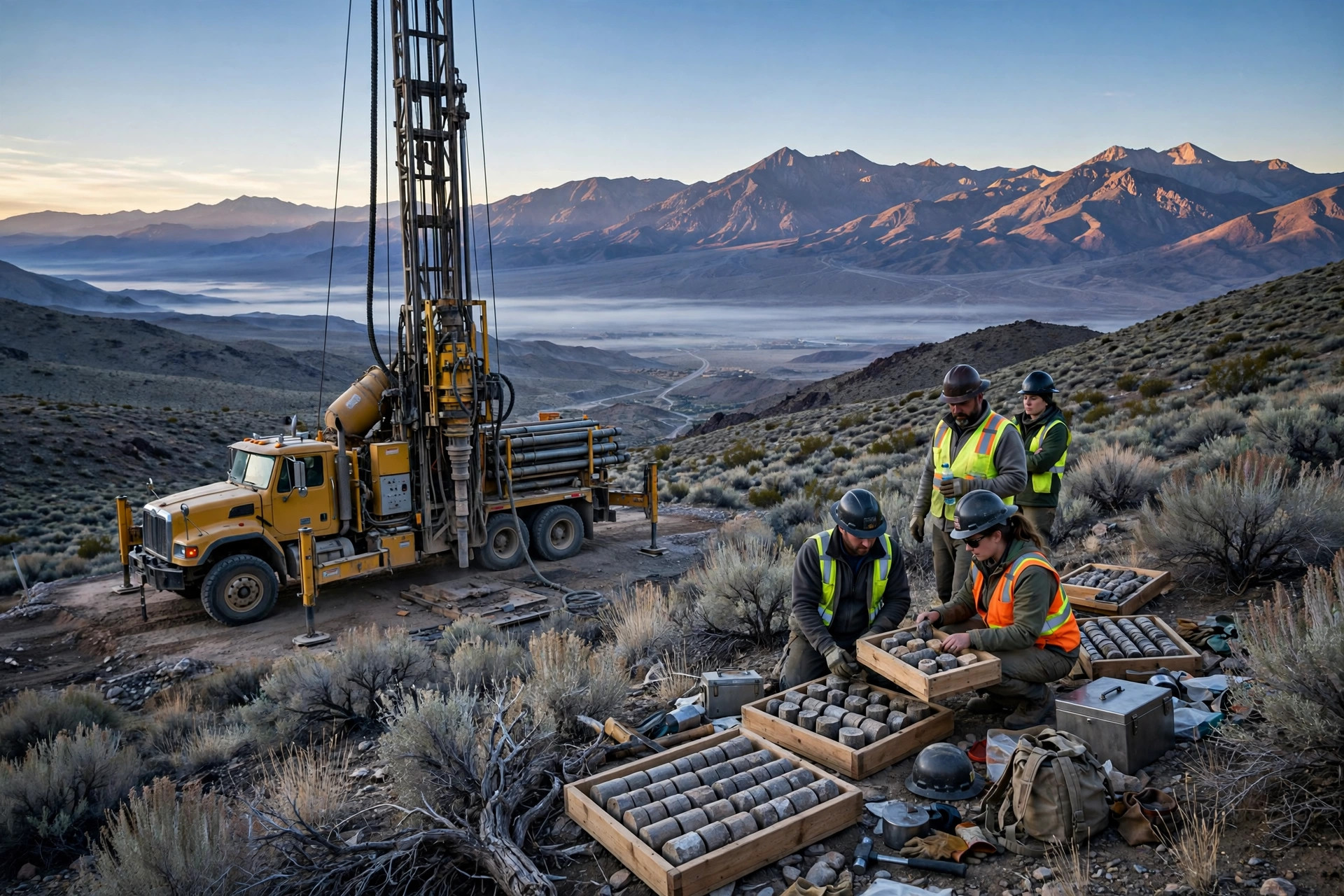
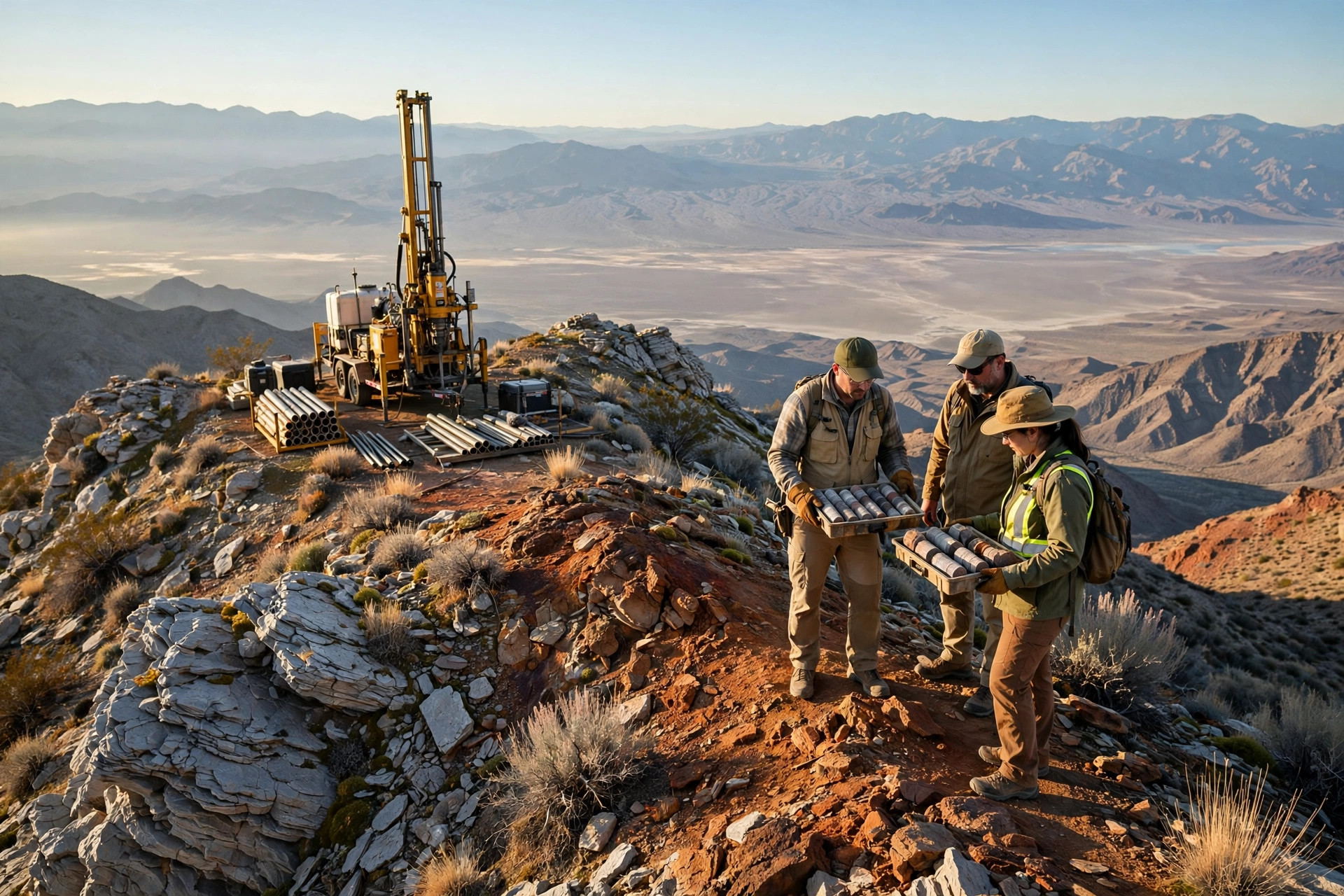
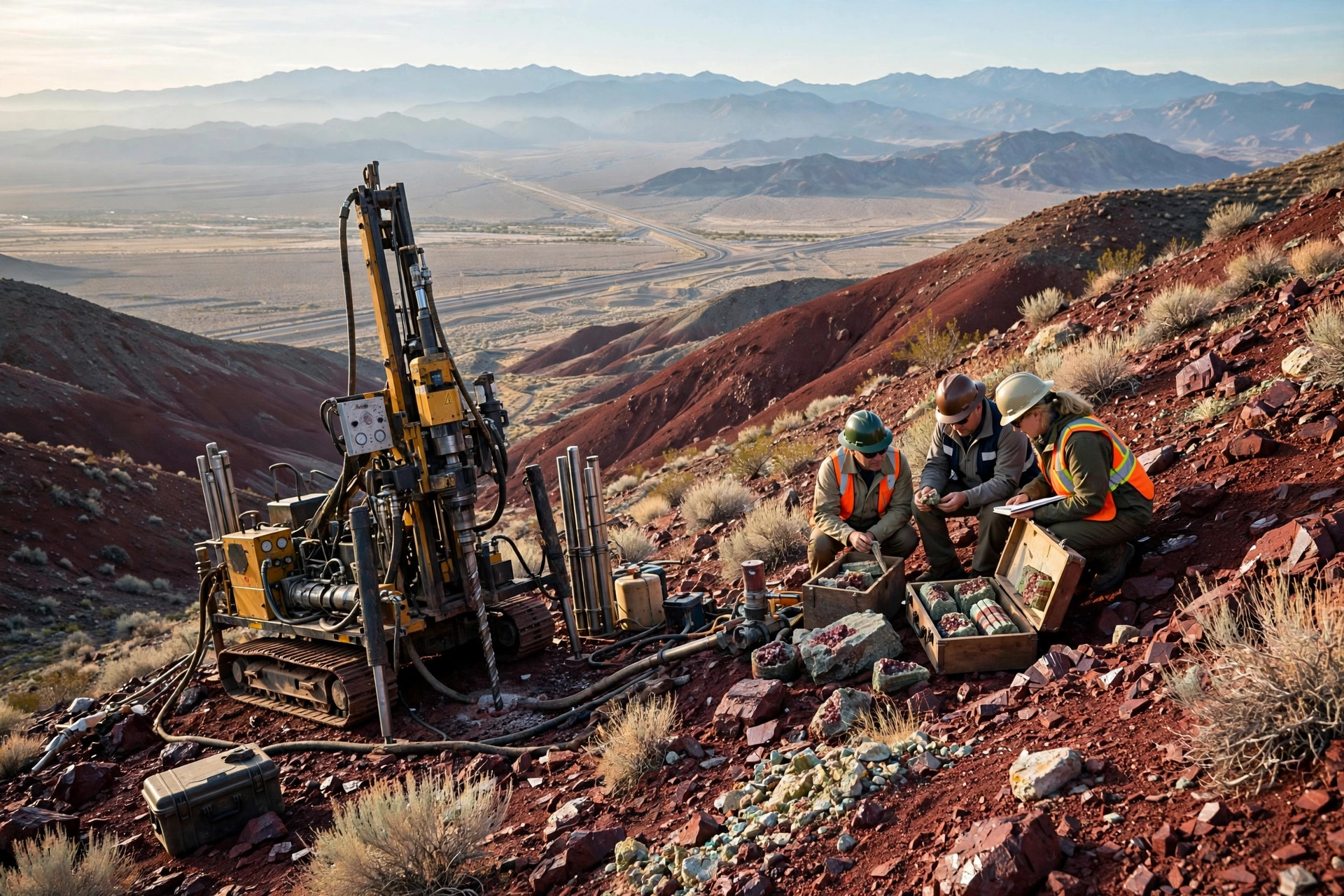
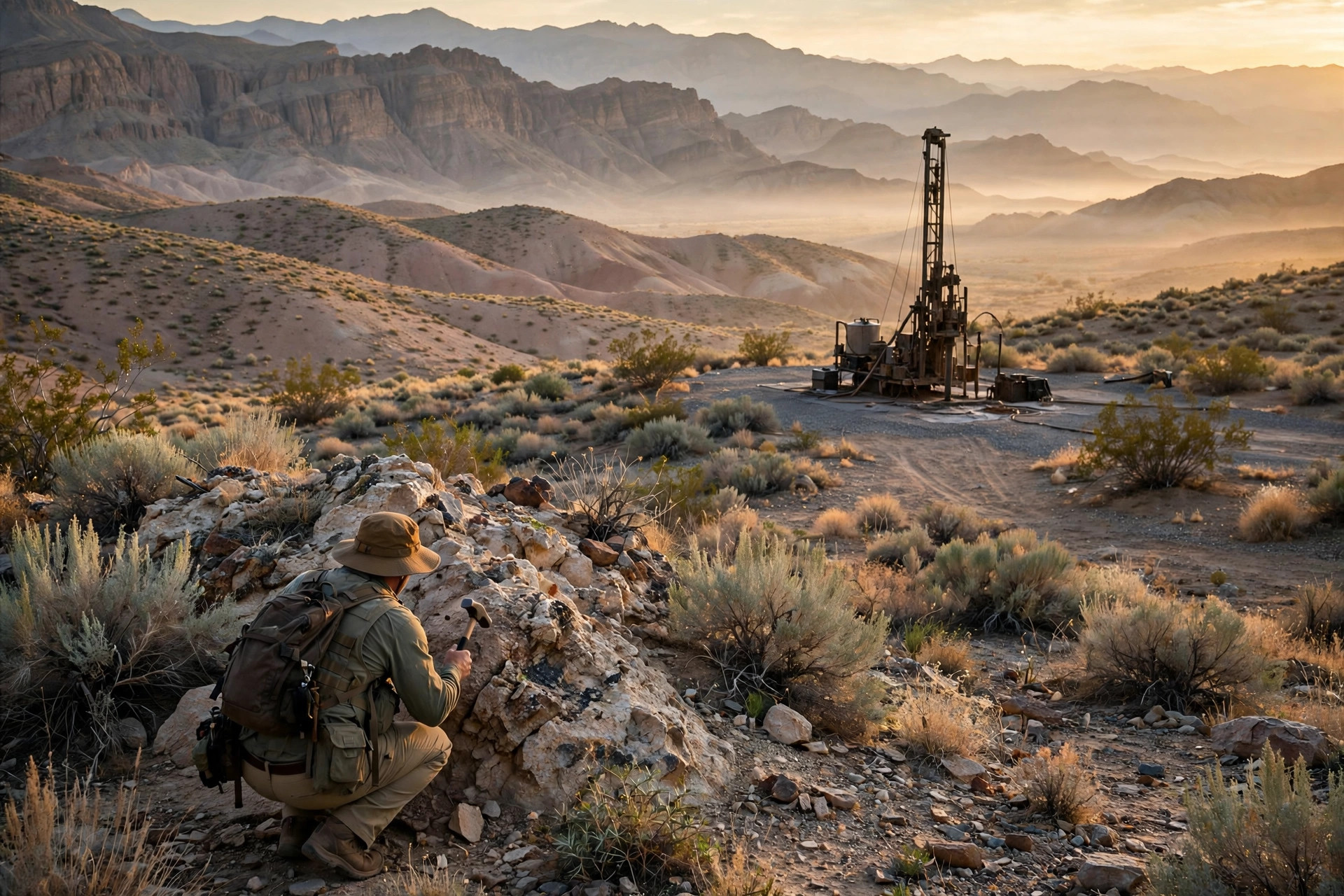
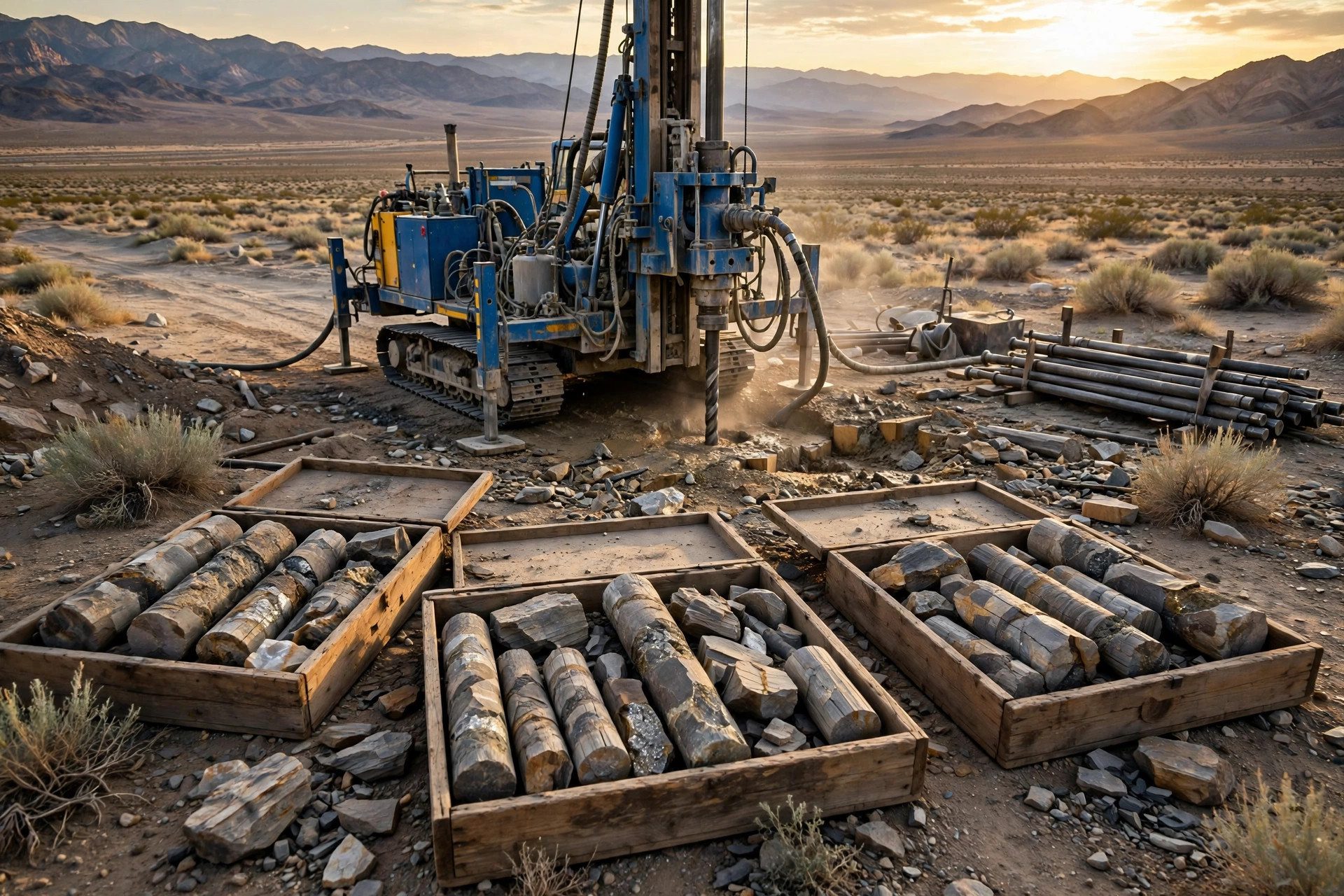
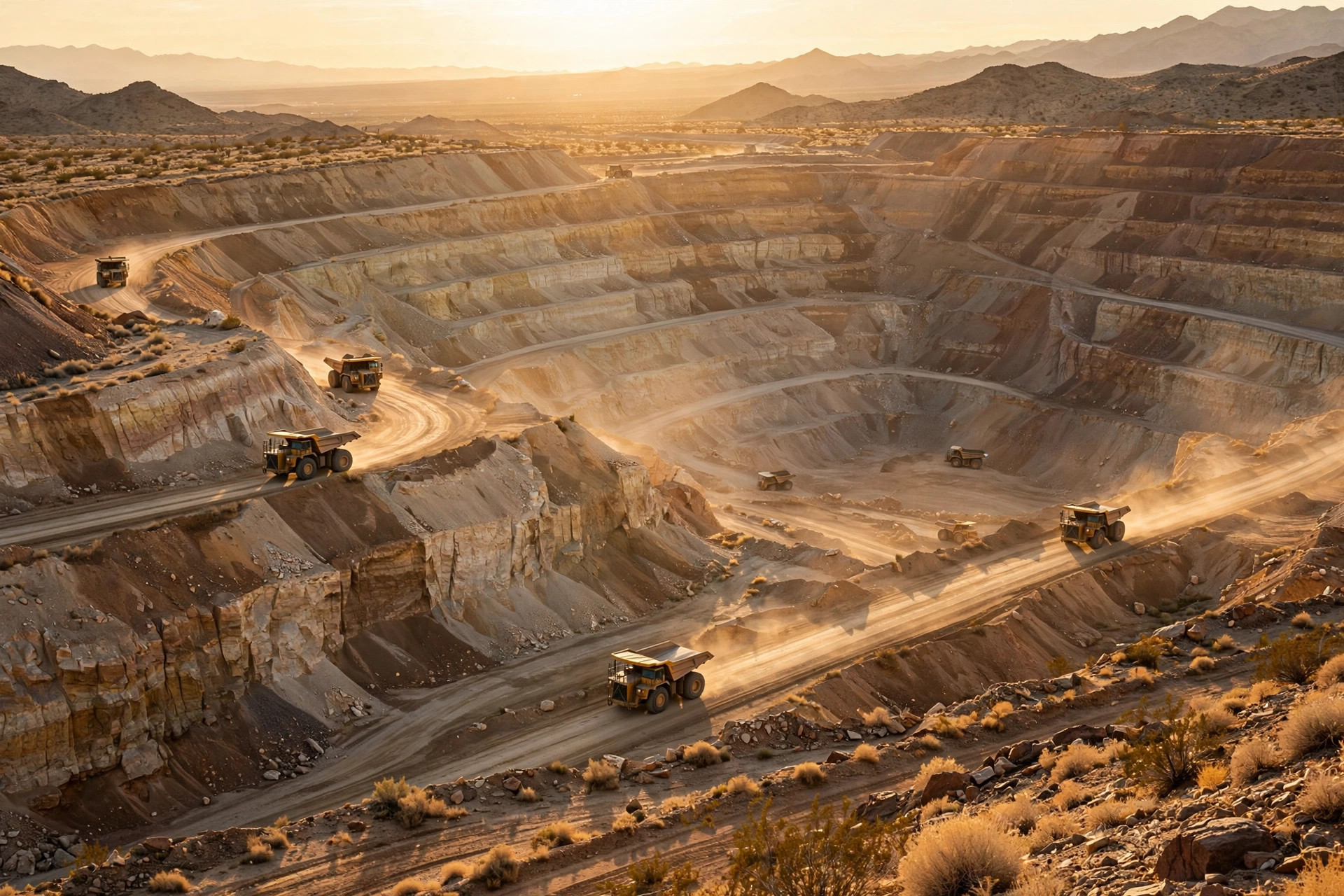
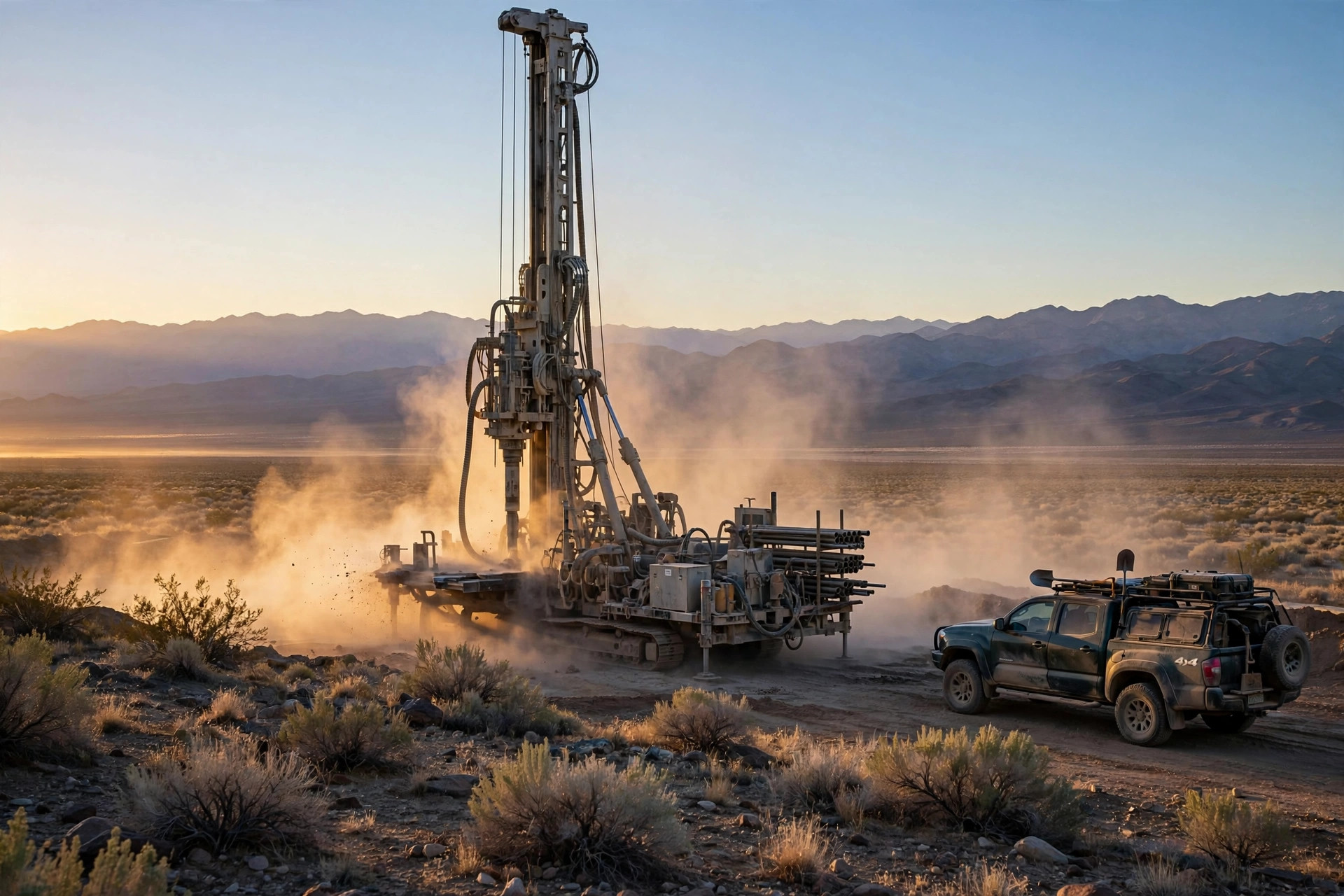
The official Nevada mineral-industry report records gold, silver, copper, molybdenum, and lithium output from a wide set of operations. Nevada Gold Mines anchors the gold sector, while Rochester, Robinson, Marigold, Hycroft, and other assets broaden the public-company landscape. Exploration remains active because federal land, established infrastructure, skilled contractors, and known trends allow new work near historic districts.

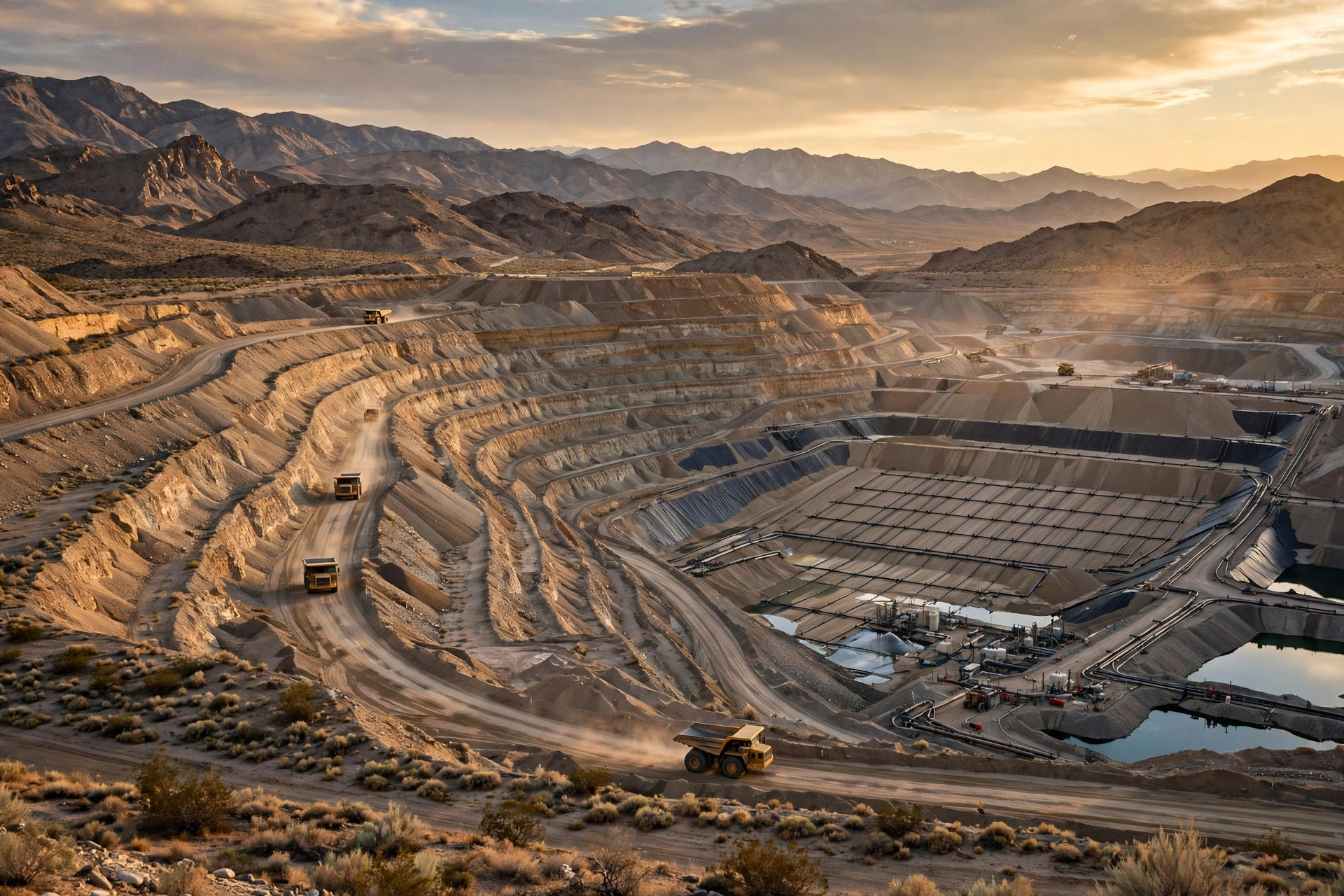
Nevada gold moves into bullion, jewelry, reserves, and electronics. Silver supports electronics, solar equipment, medicine, and industrial applications. Copper enters electrical networks and machinery, while lithium feeds battery supply chains. The value chain also includes laboratories, drilling contractors, equipment suppliers, processing specialists, refineries, and reclamation teams located throughout the state.

Scene 04 · Primary company and institutional sources

Primary company and institutional sources

These links provide the first check when a new claim, milestone, or project update appears.

Scene 05 · How Mining Our Future reviews an update

How Mining Our Future reviews an update

We identify the original company, regulator, geological survey, filing, permit, or government record; separate completed events from plans; compare the update with prior disclosure; and explain the mine-to-product relevance. Sponsored relationships are disclosed, and a company's inclusion does not make the page a recommendation.

For deeper context, use the Nevada state guide, history page, and companies page.

Scene 06 · How to verify a developing story

How to verify a developing story

  • Nevada mining news is strongest when a new filing is compared with the prior disclosure, the regulator's record, and any technical document affected by the update.
  • Before sharing Nevada mining news, confirm names, ownership, location, units, reporting period, and whether later events have changed the first announcement.
  • Before sharing mining news Nevada, confirm names, ownership, location, units, reporting period, and whether later events have changed the first announcement.
  • What has actually changed in mining news Nevada? Check the event date, original company or agency record, project stage, and the difference between a completed action and a future plan.

Scene 07 · Reading the record responsibly

Reading the record responsibly

Primary records are the foundation of this state report. Geological surveys explain deposit setting and history, regulators document permits and reclamation, technical reports describe resources and engineering, and company filings disclose ownership, financing, risks, and material changes. Reading those records together is more reliable than treating any single promotional page as the complete story.

Project status can change quickly. A property may move from exploration to resource definition, pause while engineering is updated, change owners, seek a partner, enter construction, or return to care and maintenance. Dates and verbs matter. Readers should distinguish what has happened from what management expects or hopes will happen next.

Mining connects a deposit to a much longer supply chain. Ore must be extracted, processed, transported, refined, fabricated, and delivered into a product. Recovery, concentrate quality, infrastructure, power, water, and customer specifications can determine whether a geologically interesting body becomes a useful source of material.

Local context matters as much as a commodity label. Land status, water, workforce, community relationships, cultural resources, wildlife, roads, power, climate, and closure planning can change schedules and costs. A responsible comparison recognizes those factors instead of reducing a project to grade or market capitalization alone.

This guide is maintained as an educational map, not a static ranking. New drilling, revised resources, permits, feasibility work, financing, production results, and corporate transactions can change the picture. Follow the linked primary sources and confirm the latest disclosure before relying on any company or project description.