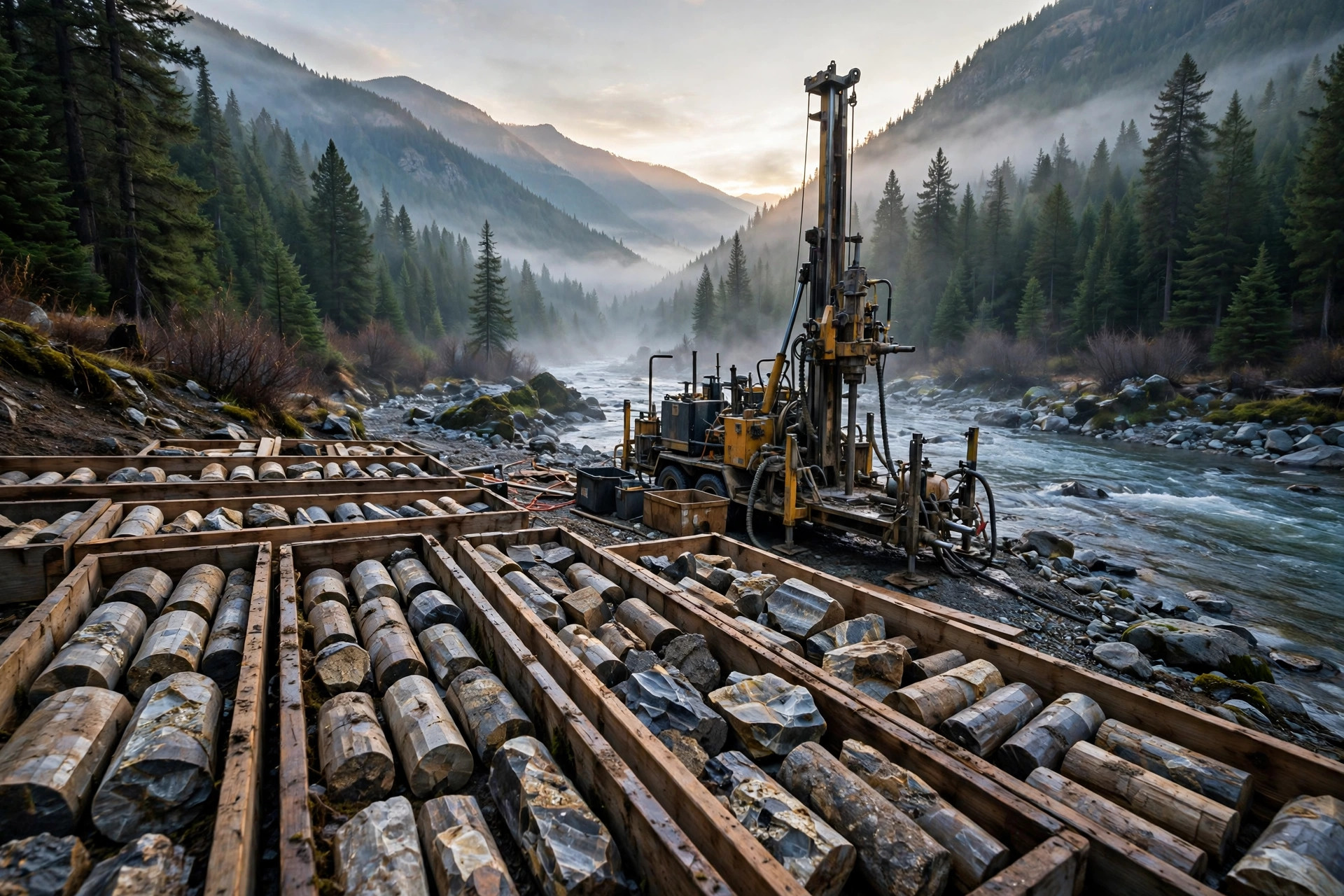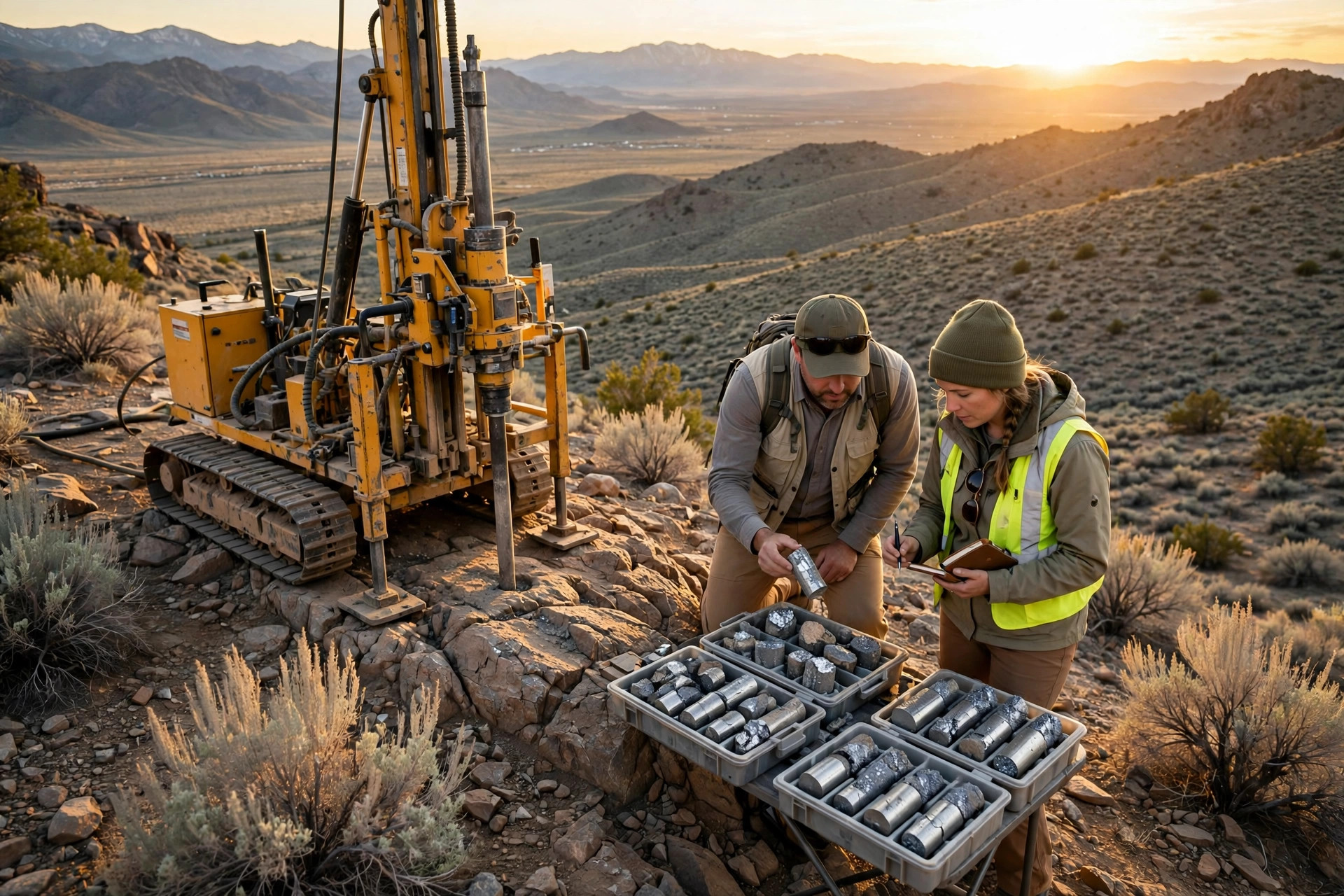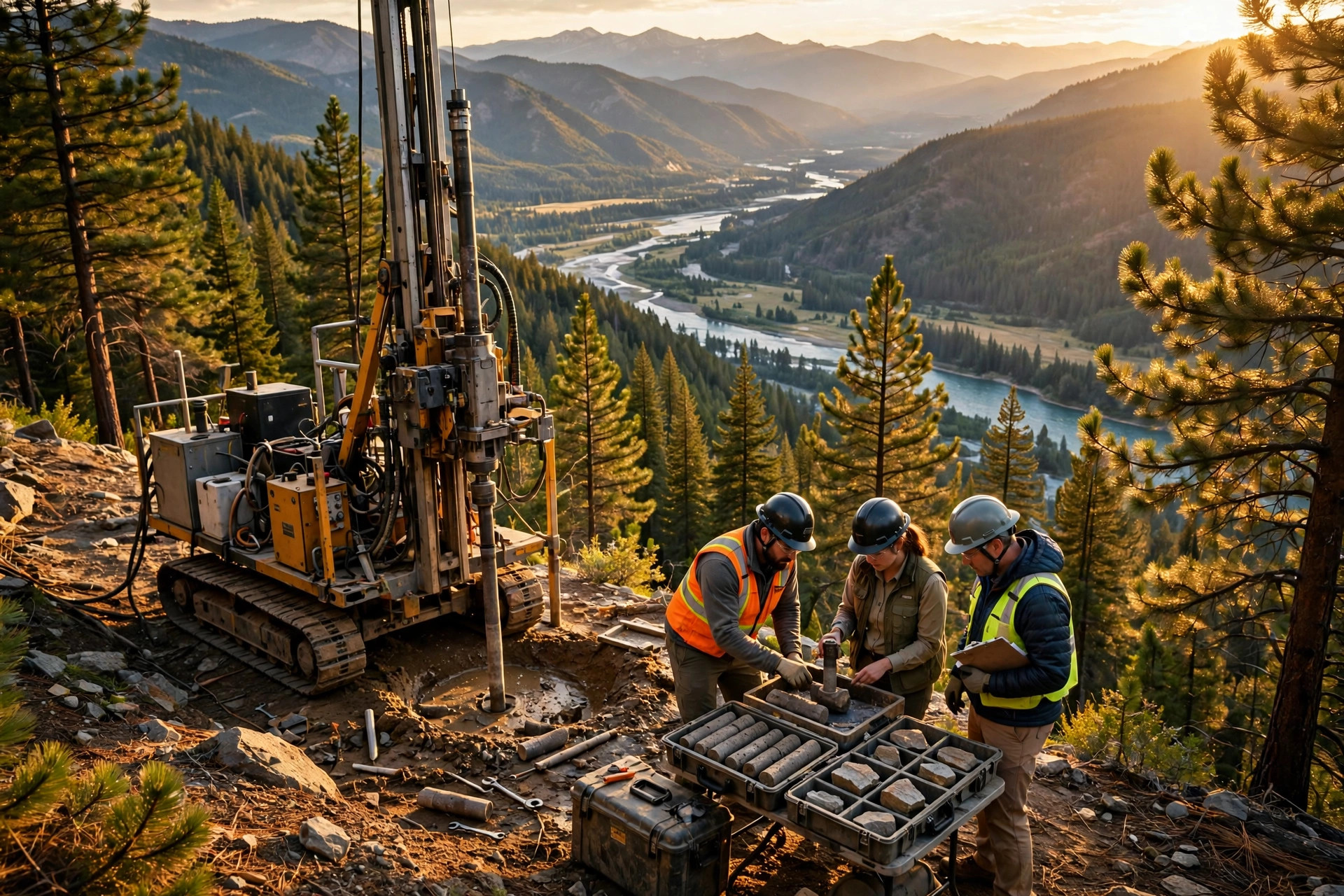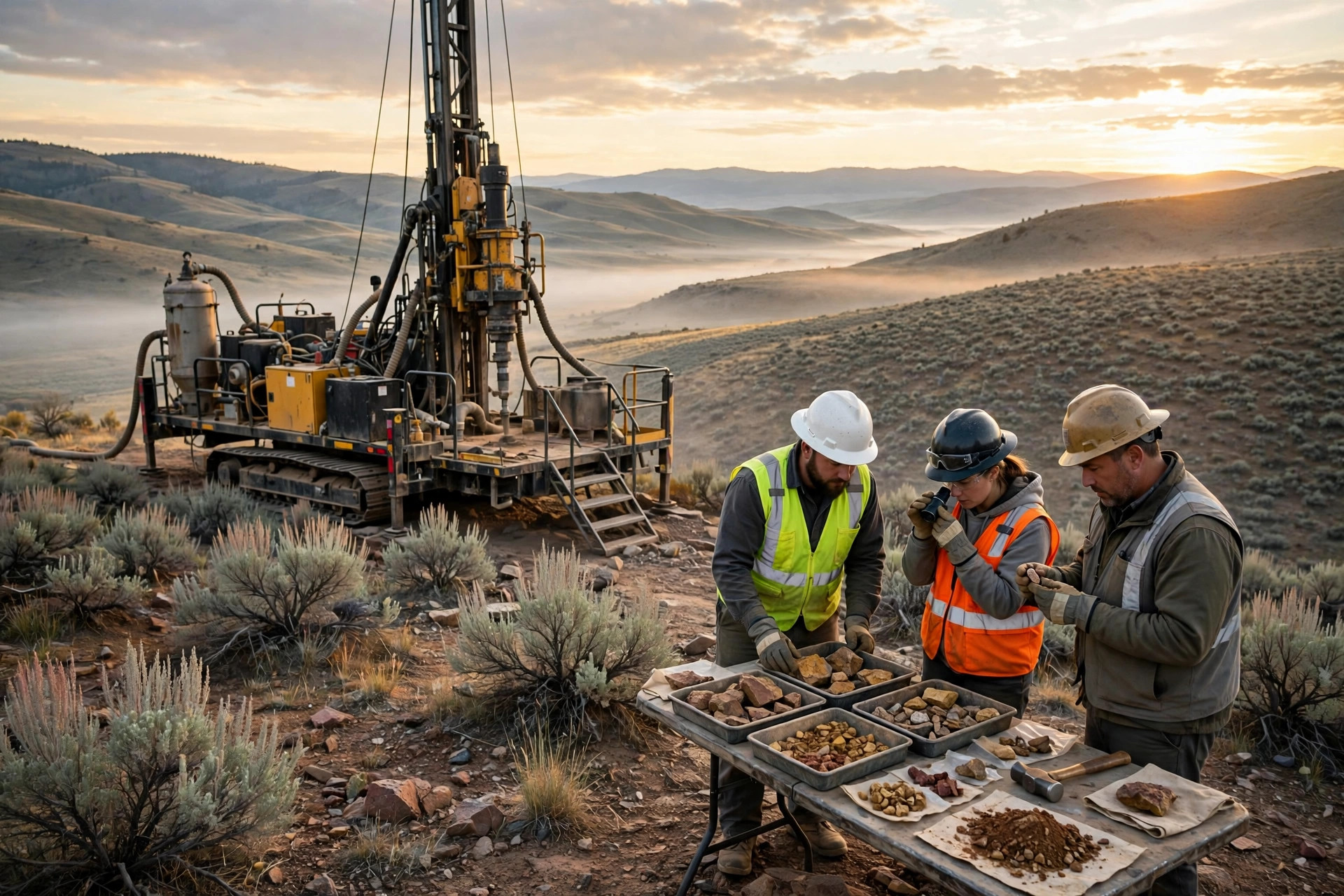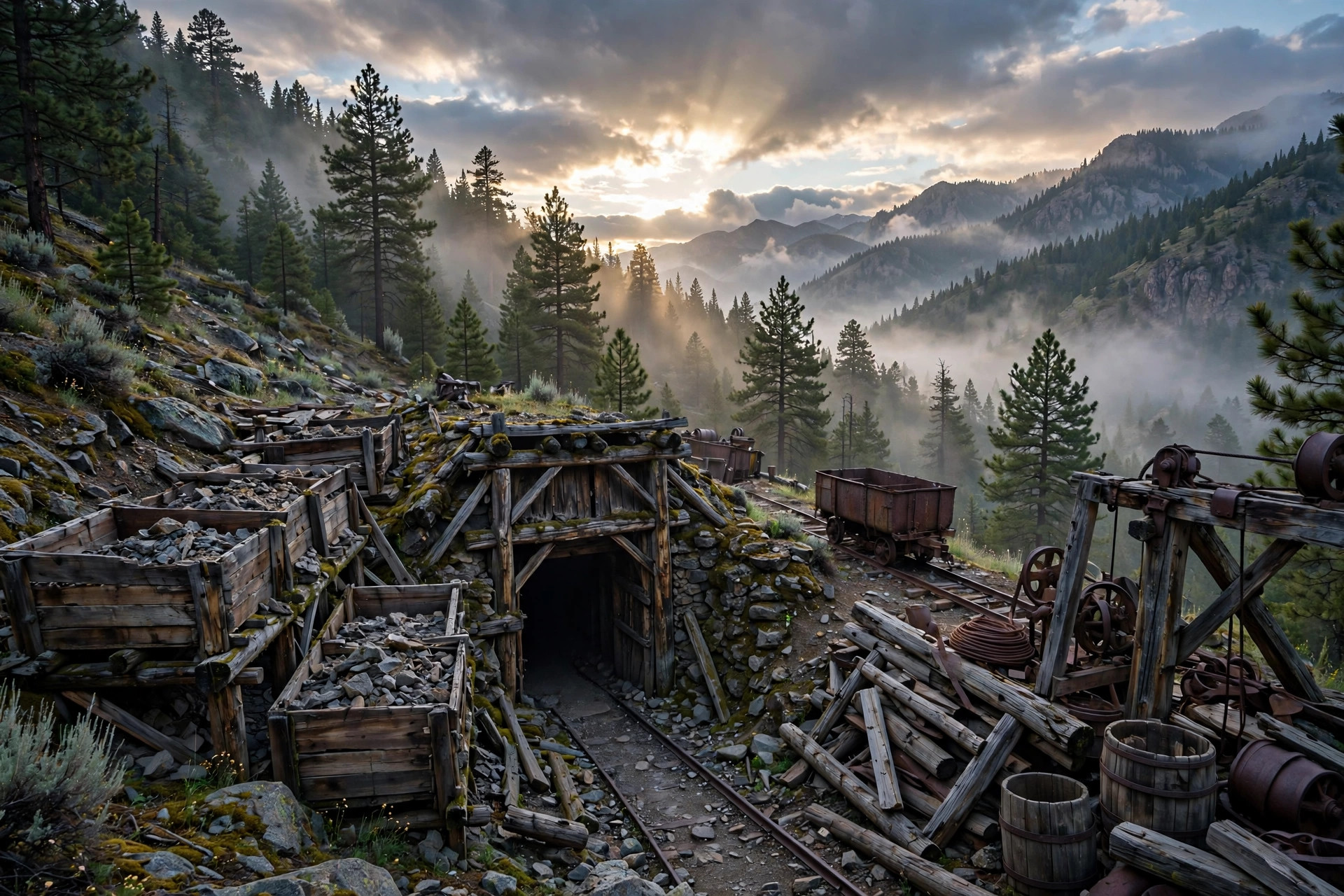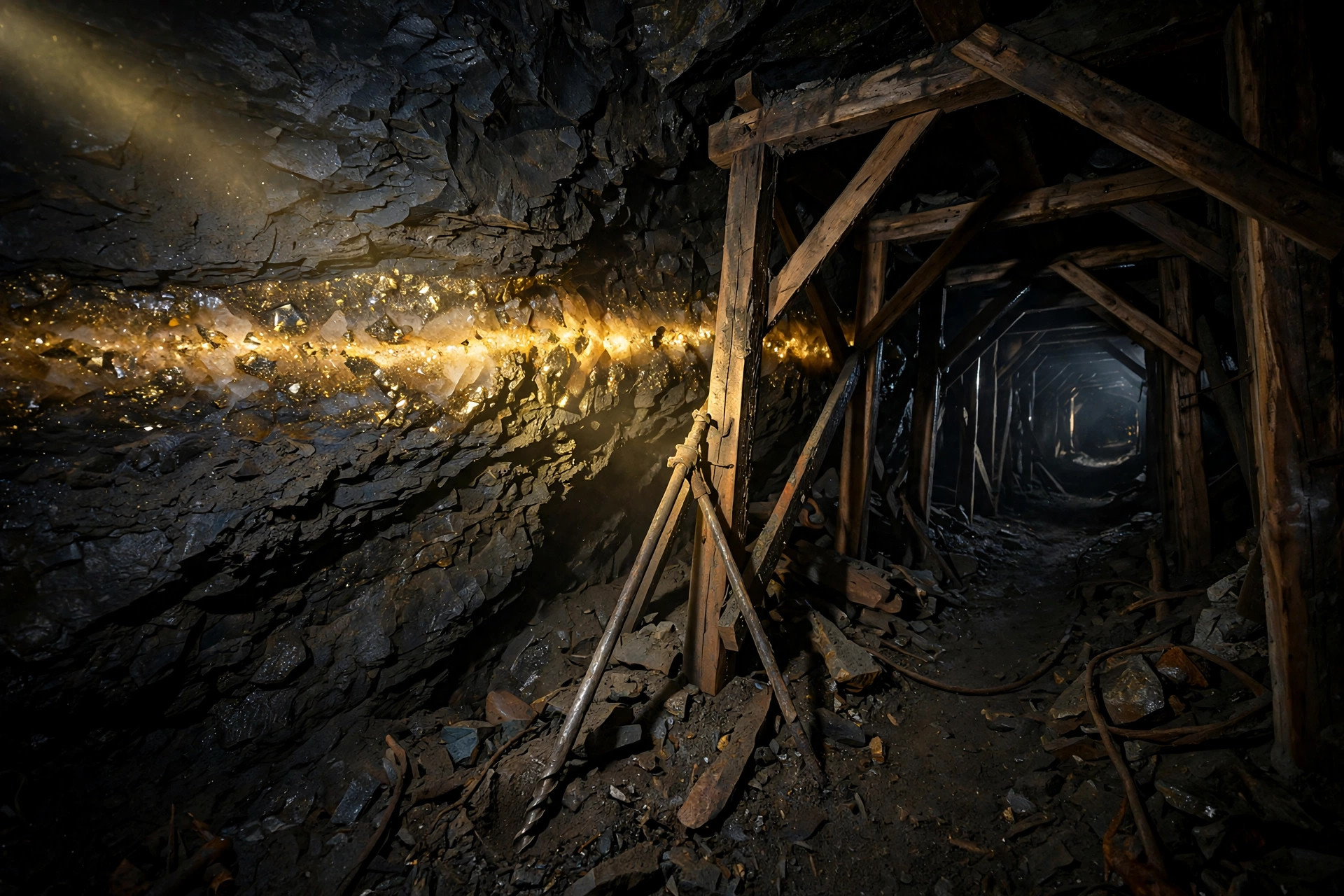

Idaho is called the Gem State, but its real inheritance is metal. Gold pulled the first crowds up the Clearwater River, silver built one of the richest mining districts ever found on Earth, and today the same ground is at the center of America’s push to bring critical minerals home. This is our living master report on Idaho mining: the history, the present, and the companies that matter. We update it as Season 1 of Hunting Hidden Treasures rolls toward the state.
How Idaho was built on ore
The rush started in 1860, when gold turned up on Orofino Creek in the Clearwater country. Camps like Pierce, Elk City, and Idaho City boomed almost overnight, and for a stretch in the 1860s the Boise Basin out-produced almost everything else in the West. The gold rush created Idaho Territory itself: the miners came first, and the state followed.
The bigger story broke in the 1880s in the northern panhandle. Andrew Prichard’s 1883 gold strike on a tributary of the North Fork of the Coeur d’Alene set off one of the last gold rushes in the West, pulling thousands into the Murray camps in a single winter. The gold played out fast, but the prospectors who fanned up the side canyons hit something better: galena, some of the richest silver-lead ore ever discovered. The Silver Valley, the narrow corridor around Wallace and Kellogg, has since produced more than 1.2 billion ounces of silver, a total almost no other district on the planet can touch. Bunker Hill itself was staked in 1885 by Noah Kellogg, a broke prospector whose braying pack burro, legend insists, was found standing on the outcrop; over the next century that one mine turned out about 162 million ounces of silver, 3.2 million tons of lead, and 1.3 million tons of zinc, and employed 2,700 people at its peak. KSPS’s documentary on the valley tells the whole saga, labor wars, Wyatt Earp cameo, jackass and all.
Central Idaho wrote its own chapter at Stibnite, near Yellow Pine, where a remote mountain district supplied as much as 90 percent of America’s antimony and roughly half of its tungsten during World War II. Metals from one Idaho valley went into the ammunition, armor, and hardened steel that helped win the war.
Idaho today
That history is not a museum piece. Hecla Mining, headquartered in Coeur d’Alene, still pulls silver from the Lucky Friday mine near Mullan, one of the deepest mines in the United States. Perpetua Resources is working to reopen the Stibnite district as the country’s only domestic primary source of antimony, recovered alongside gold, with strong federal interest behind it. And in Kellogg, Bunker Hill Mining is bringing the historic Bunker Hill Mine back into operation this summer, the first time in more than 40 years, with about 200 new jobs behind a new silver operation, per KHQ.
Who matters in Idaho
- Hecla Mining, the oldest US precious-metals miner, operating the Lucky Friday silver mine in the Silver Valley.
- Perpetua Resources, restoring and reopening the Stibnite Gold Project, America’s antimony comeback story.
- Bunker Hill Mining, restarting the legendary Bunker Hill silver-lead-zinc mine in Kellogg: first production in more than 40 years, roughly 200 new jobs.
We add companies to this report as work in the state moves, whether or not they are tour partners.
On the Season 1 tour
Idaho carries the opening act of Hunting Hidden Treasures: Episode 1 starts where the state started, in the Orofino gold country. Episodes 2 and 3 go underground with the Silver Valley giants around Wallace, and Episode 4 climbs to Stibnite for the antimony story most of the country has never heard.
 Treasure Hunter Chronicles · October 4 · 8 min read