Power
Copper, aluminum, uranium and other mined materials carry, generate and store the energy society depends on.

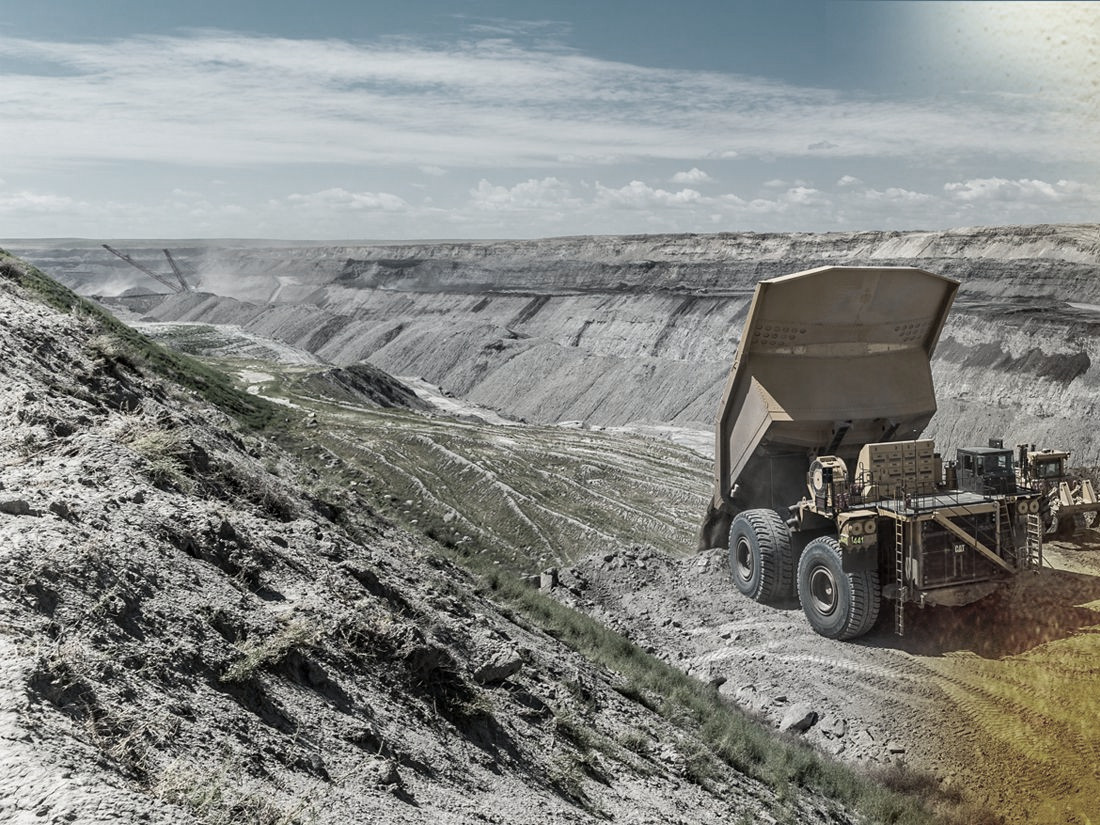
The roads beneath us. The power around us. The hospitals, farms, homes, networks and machines we count on every day.Without mining, modern life does not work.
Before there is infrastructure, there are materials. Before there are materials, somebody has to find them, reach them and bring them into the world.Take mining away, and the systems beneath modern life begin to disappear.
Copper, aluminum, uranium and other mined materials carry, generate and store the energy society depends on.
Roads, bridges, rail, aircraft and vehicles all begin with stone, steel, aluminum and a long chain of mined inputs.
Pipes, pumps, treatment plants and the machines that build them require minerals, metals and aggregates.
Modern agriculture relies on mineral nutrients, irrigation systems, fuel, machinery, storage and transport.
Hospitals and laboratories depend on buildings, electronics, precision instruments and reliable power.
Phones, data centers, satellites and transmission networks turn mined materials into connection.
This is not a slogan. It is a supply-chain fact. Every ambitious plan for stronger infrastructure, cleaner energy, better technology and national resilience eventually reaches the same question:
Where will the materials come from?Every breakthrough arrives as a finished object. Look closer and you find the same beginning: minerals, metals and the people who produce them.
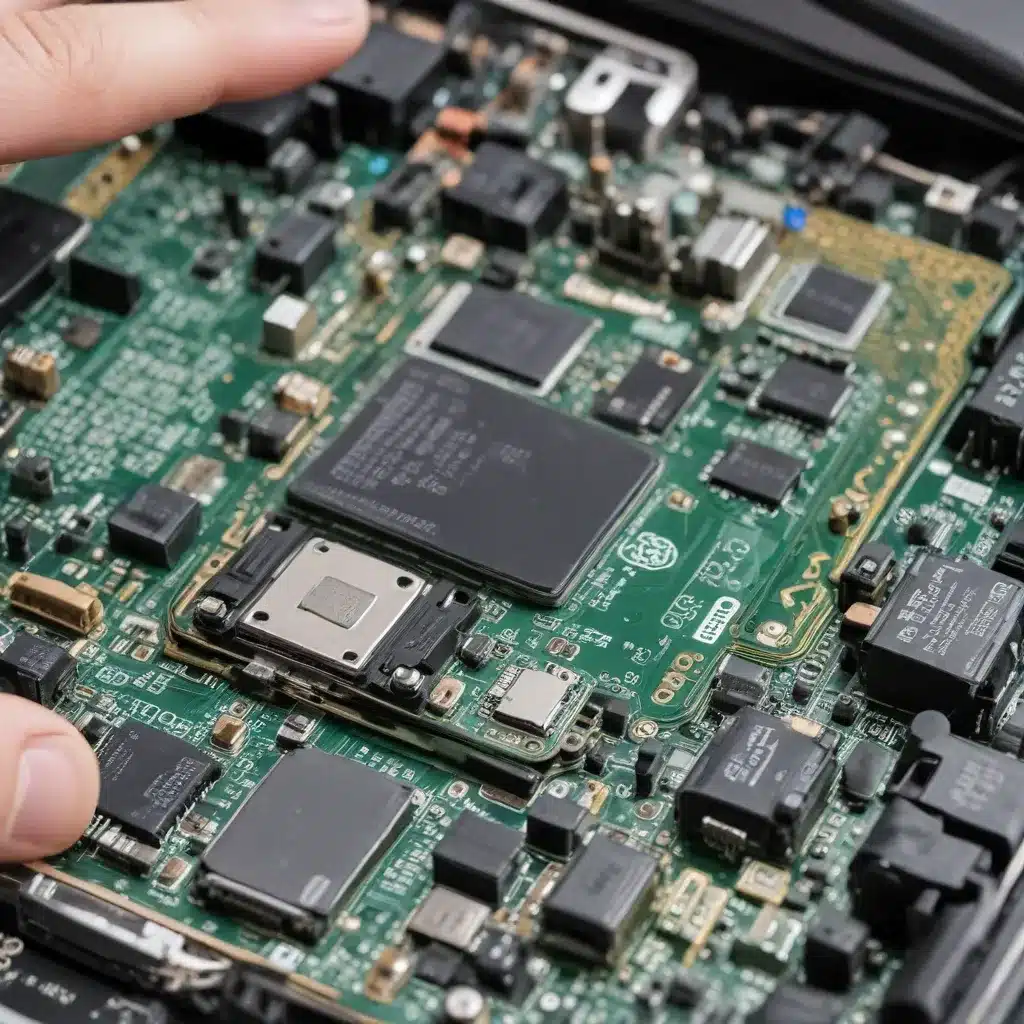
Copper pathways, silicon chips, gold contacts and rare-earth components put extraordinary computing power in the palm of a hand.
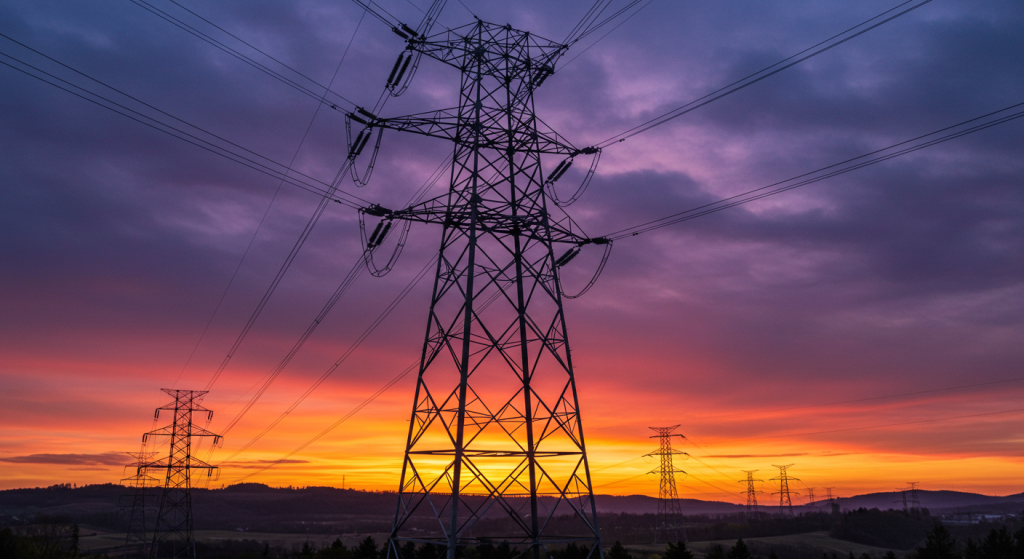
Generation means nothing without the conductors, towers and equipment that move electricity across the country.
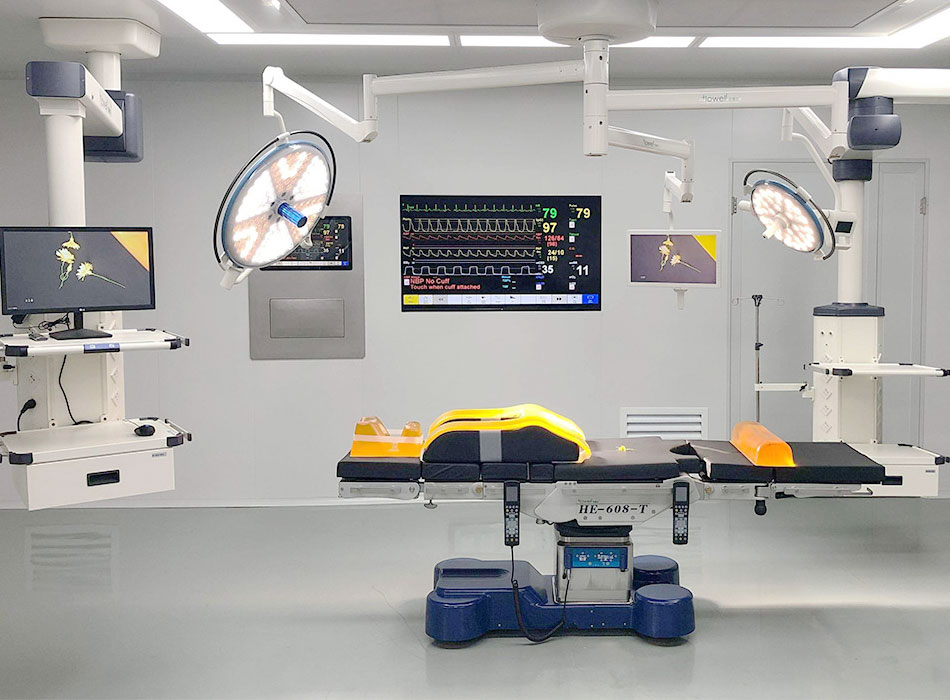
Imaging, surgery and patient care depend on steel, copper, silver and the electronics built from mined materials.
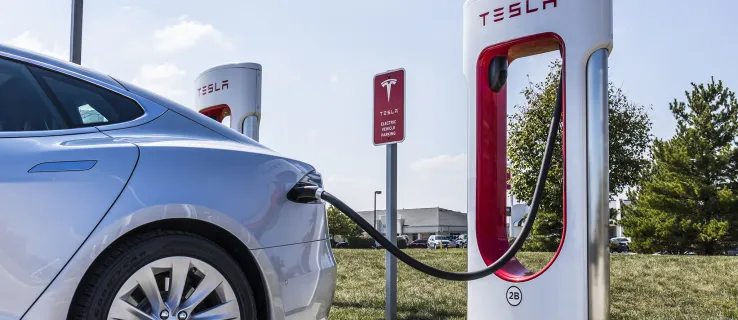
The battery, motor, charging cable and power electronics all start with materials brought out of the ground.
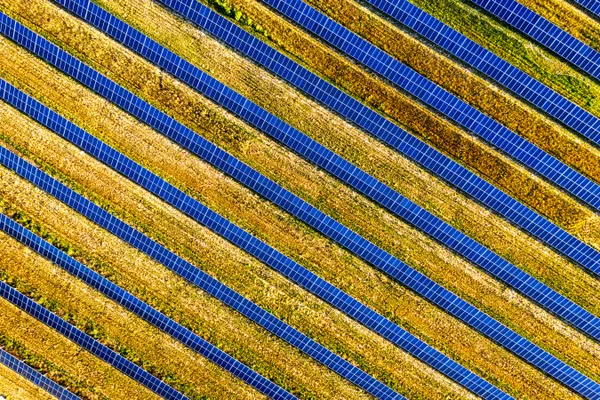
Clean generation still needs mined inputs—from the cells and wiring to the frames and transmission beyond the site.

Aerospace, communications and national security rely on high-performance metals and resilient material supply chains.
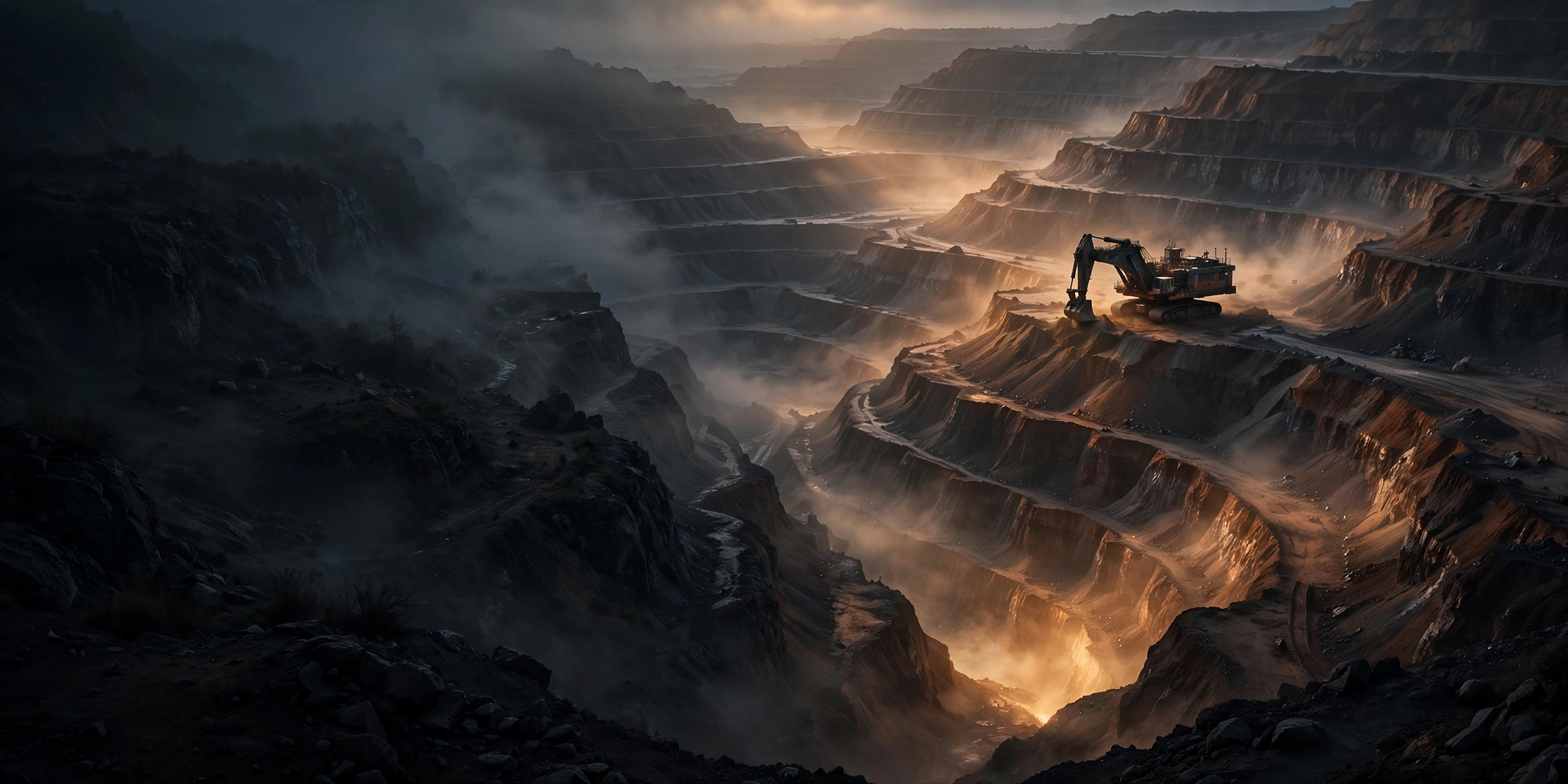
We see the bridge, the battery, the hospital and the phone. We rarely see the first chapter: the search, the discovery and the difficult work of turning geology into supply.
Rebuilding infrastructure takes material. Expanding power generation and the grid takes material. Advancing computing, manufacturing, transportation and defense takes material.
We can debate how mining should be done—and we should. But pretending the need can be wished away only leaves the hardest question unanswered.
If we want the future, we have to understand what it is made of.Films, field reports, conversations and the news shaping mine country—one living view of the hunt.