
The paperwork is catching up with the story. On October 5, American Tungsten Corp. (TSXV: TUNG) announced it has filed the National Instrument 43-101 Technical Report supporting the updated Mineral Reserve and Mineral Resource estimate for its flagship IMA Project in Lemhi County, Idaho. The report is available on the company's website and through its SEDAR+ profile.
- The technical report backs the mineral resource estimate the company announced on August 20, 2026 — the formal disclosure that turns an announced estimate into a compliant, filed document.
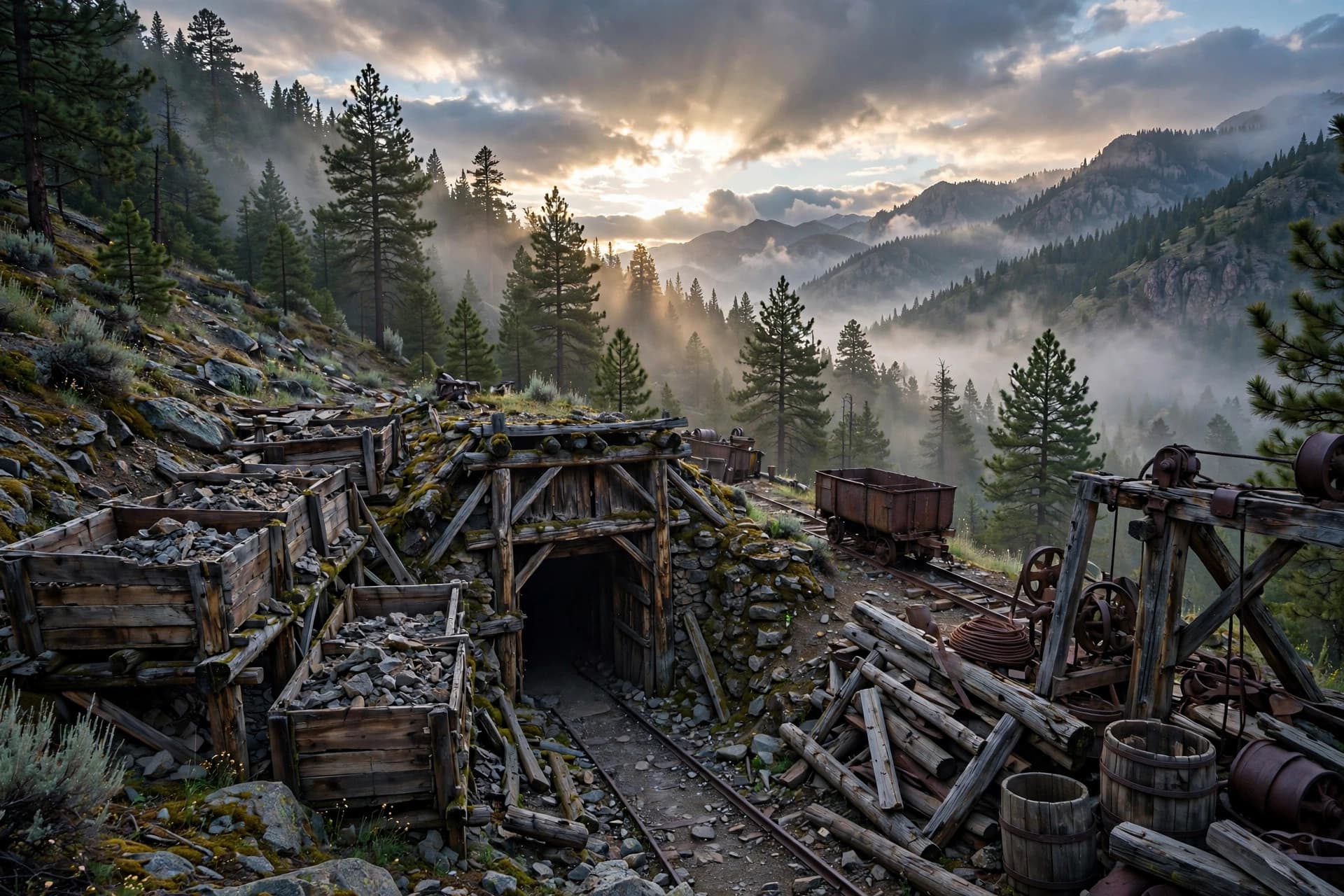
- The IMA Mine is a past-producing underground tungsten mine on 22 patented claims in east-central Idaho; it produced approximately 199,449 MTUs of WO₃ between 1945 and 1957, then was explored by various operators from 1960 to 2010.
- The reported resource stands at 316,000 tonnes indicated at 0.55% WO₃ (1,747 tonnes of WO₃) plus 2,178,000 tonnes inferred at 0.55% WO₃ (11,933 tonnes of WO₃), with an additional surface tailings resource of 267,000 tonnes indicated at 0.15% WO₃.
- The strategy is phased: Phase I evaluates and potentially processes the existing surface tailings (lower capital, potential near-term production); Phase II rehabilitates and potentially restarts the historic underground mine.
- The company is currently running an exploration drill program, advancing engineering and technical studies, and assessing the underground restart.
Why this filing matters
A resource estimate announced in a news release is a promise; a filed NI 43-101 technical report is the receipt. This puts the IMA's updated numbers into the formal record that future studies, financing, and permitting decisions have to reference — an unglamorous but essential step for a project being positioned as future domestic tungsten production in a critical-minerals market.
One caveat, kept visible
Mineral resources are not mineral reserves and do not have demonstrated economic viability — the release says so itself. Inferred resources are considered too speculative for economic factors to be applied, and there's no assurance they convert to the measured and indicated categories. The report documents what the rocks hold; the economics are still a question for later studies.