
Permitting a Nevada lithium mine is a sequence of gates, and Angel Island just passed the one that decides how the rest of the review will run. Century Lithium Corp. (TSXV: LCE) (OTCQX: CYDVF) announced on November 19 that the Bureau of Land Management has accepted its baseline studies as complete and set the level of federal environmental review.
- The determination: in a letter dated November 13, 2026, the BLM's Battle Mountain District, Tonopah Field Office, told Century's subsidiary Cypress Holdings (Nevada), Ltd. that baseline data collection is complete for all resources its interdisciplinary team identified — including the additional studies for the proposed water supply pipeline route and well field.
- The review level: the BLM determined an Environmental Impact Statement (EIS) is the appropriate level of NEPA analysis — the fullest form of federal environmental review. The BLM is lead agency; the EPA, Nevada Department of Wildlife, Esmeralda County and Nye County have agreed to participate as cooperating agencies.
- The sequence so far: this follows the BLM's earlier finding (announced November 9) that Angel Island's Mine Plan of Operations and Nevada Reclamation Permit Application are complete under 43 CFR § 3809.411.
- The project under review: an open pit, two overburden stockpiles, two low-grade ore stockpiles, a dry-stack tailings facility, roads, ancillary facilities and a processing and leaching facility, designed for 5.5 million tonnes per year (15,000 tonnes per day) of mill feed and estimated average annual production of 27,400 tonnes per year of lithium carbonate — figures from the project's feasibility study technical report (effective January 3, 2026).
- The clock: Angel Island is a FAST-41 Transparency Project; the federal Permitting Dashboard currently targets a Record of Decision on February 4, 2028. Technical information was reviewed by Daniel W. Kalmbach, CPG, VP Exploration and Resource Development, a non-independent Qualified Person.
Why the baseline letter is the real milestone
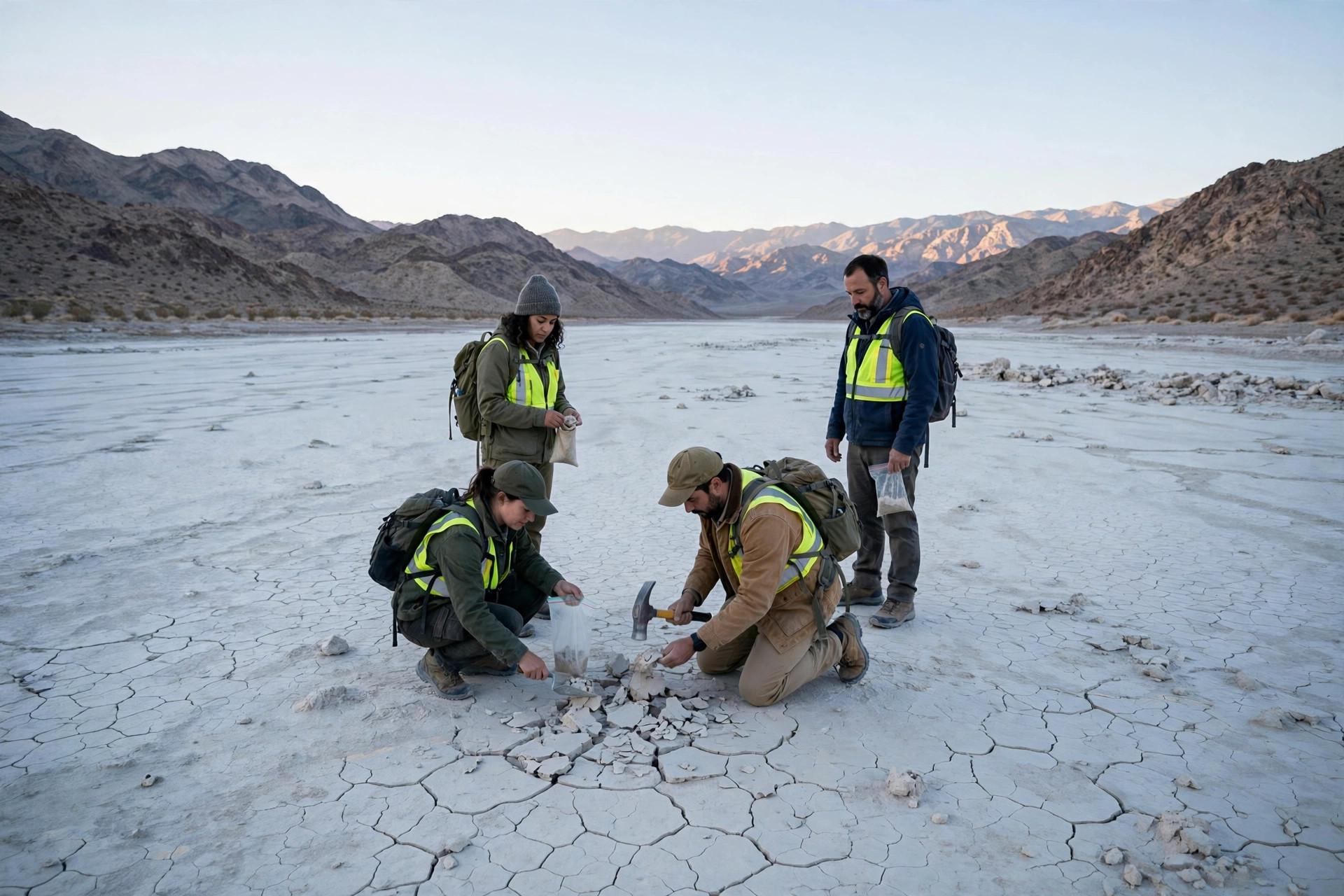
A plan of operations being "complete" says the paperwork is in order. Baseline acceptance says the underlying science — the multi-year record of water, wildlife, air, cultural and other resources against which every impact in the EIS will be measured — is finished and accepted, including the pipeline and well field work that was still outstanding at the November 9 step. With that record locked and the EIS level set, the third-party NEPA contractor's Supplemental Information Report can now feed the Supplemental Environmental Reports that form the basis of the EIS itself. President and CEO Bill Willoughby called it a step that "puts the Project on the path to a Record of Decision."
The honesty box
Nothing here authorizes mining or construction. Baseline acceptance and an EIS determination are procedural milestones inside a review that still requires public scoping, the full NEPA analyses, and a Record of Decision — currently targeted, not scheduled with certainty, for February 4, 2028, a date the company itself notes may change. The production and throughput figures are feasibility study design figures, not operating results; Angel Island has no production history, and mineral resources that are not mineral reserves do not have demonstrated economic viability. The Qualified Person is a company officer and non-independent, as disclosed.
What to watch
The public scoping period and the Supplemental Information Report; any movement in the FAST-41 dashboard's February 4, 2028 Record of Decision target; and the draft EIS, where the accepted baseline record meets the proposed pit, dry-stack tailings and water supply design in public for the first time.