The inspiration · 38 seconds
A show built an industry before.
A cruise ship, a television show, and the industry it created — then the industry still waiting for its show. Until now.
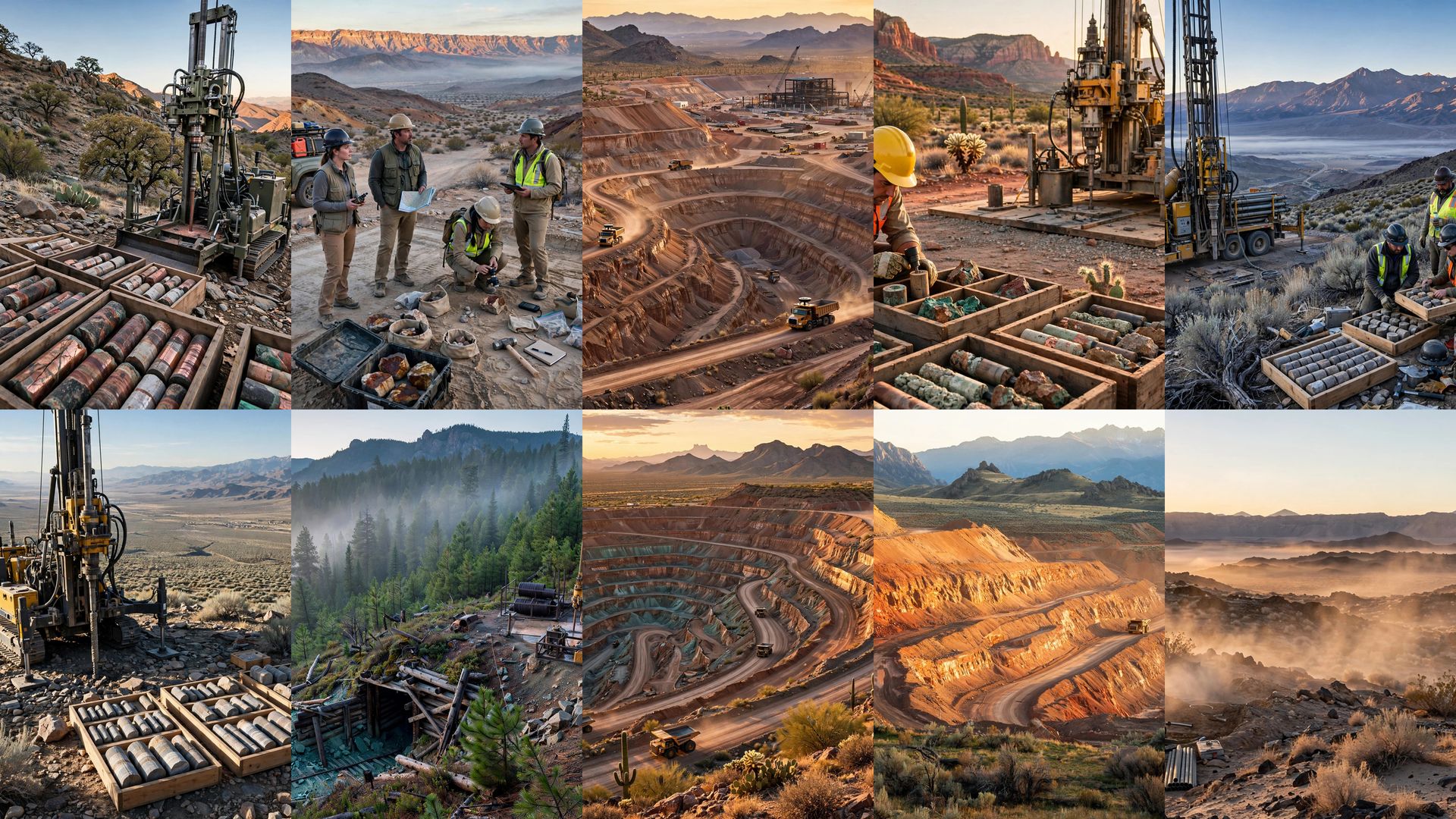
Pete Smith and Sasquatch Resources at Mount Sicker — recovering what's valuable, restoring what matters.
More episodes are being recorded now — new films land here as they drop.
A television show built an entire industry once before. This is mining’s turn. The short film says it in under a minute; the trailer beside it shows the series in motion.
A cruise ship, a television show, and the industry it created — then the industry still waiting for its show. Until now.
The Yukon rediscovered — the official trailer from the Mining Our Future channel.
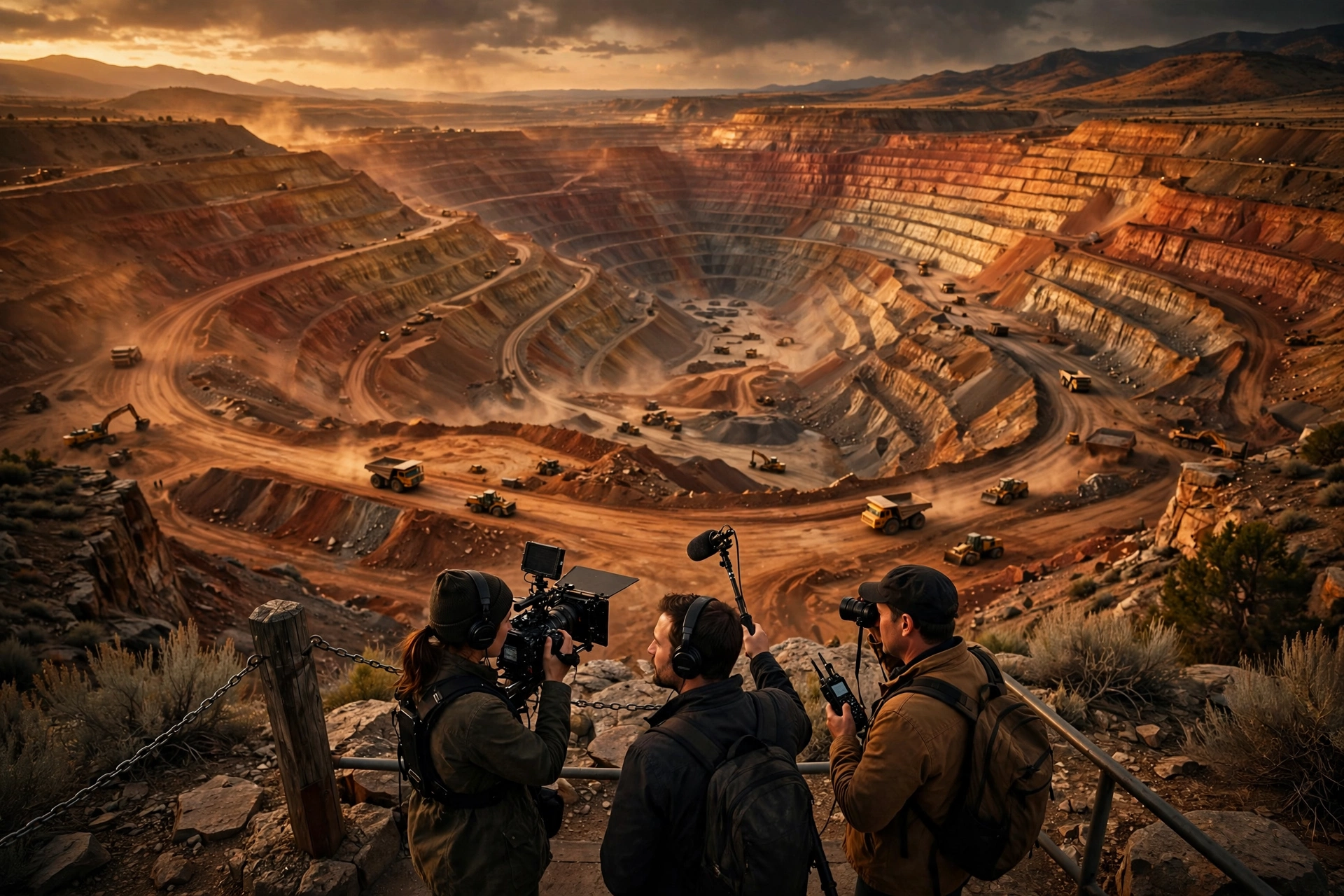
The cinematic engine follows prospectors still searching, builders bringing projects toward production and operators who have already made a mine real. The mine is not the only destination; the hunt itself is the story.
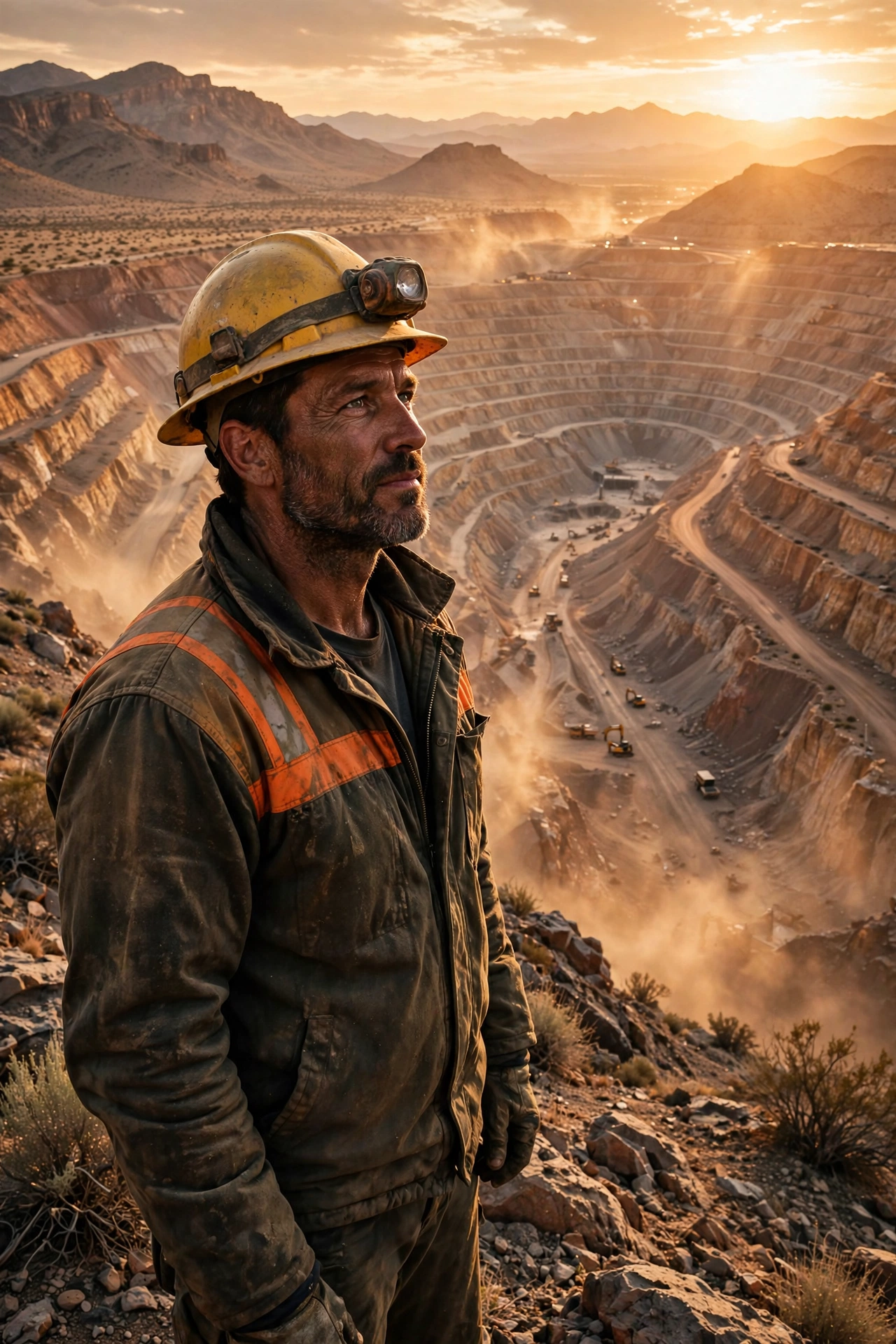
Before the field visit, meet the head treasure hunter. A focused conversation turns a technical company story into a human one: the conviction, the turning point and the life’s work behind the project.
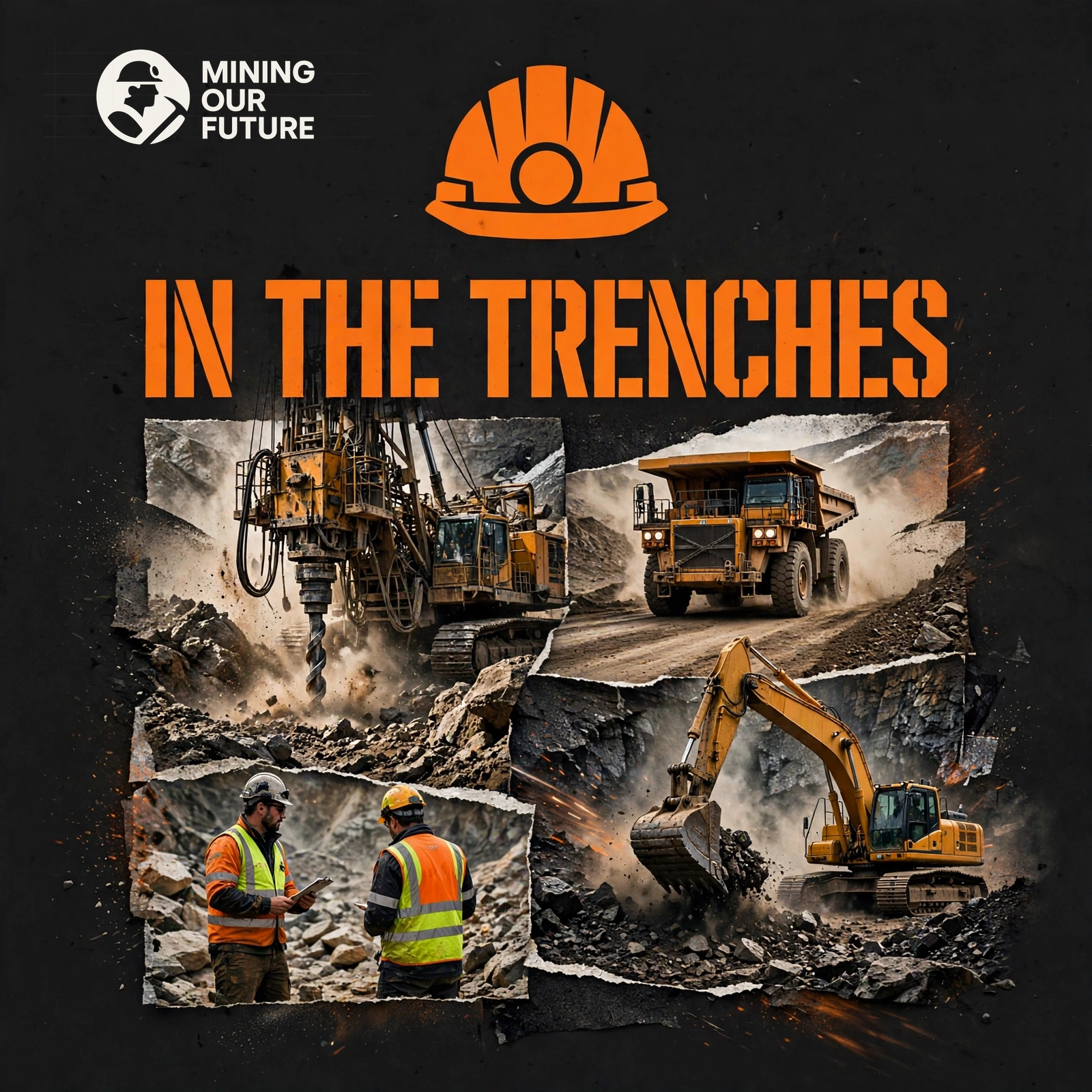
The project update without thirty minutes of grams-per-ton jargon. Each episode asks where the company is going, what changed and what its treasure-hunting activity looks like right now—positive, difficult or somewhere in between.
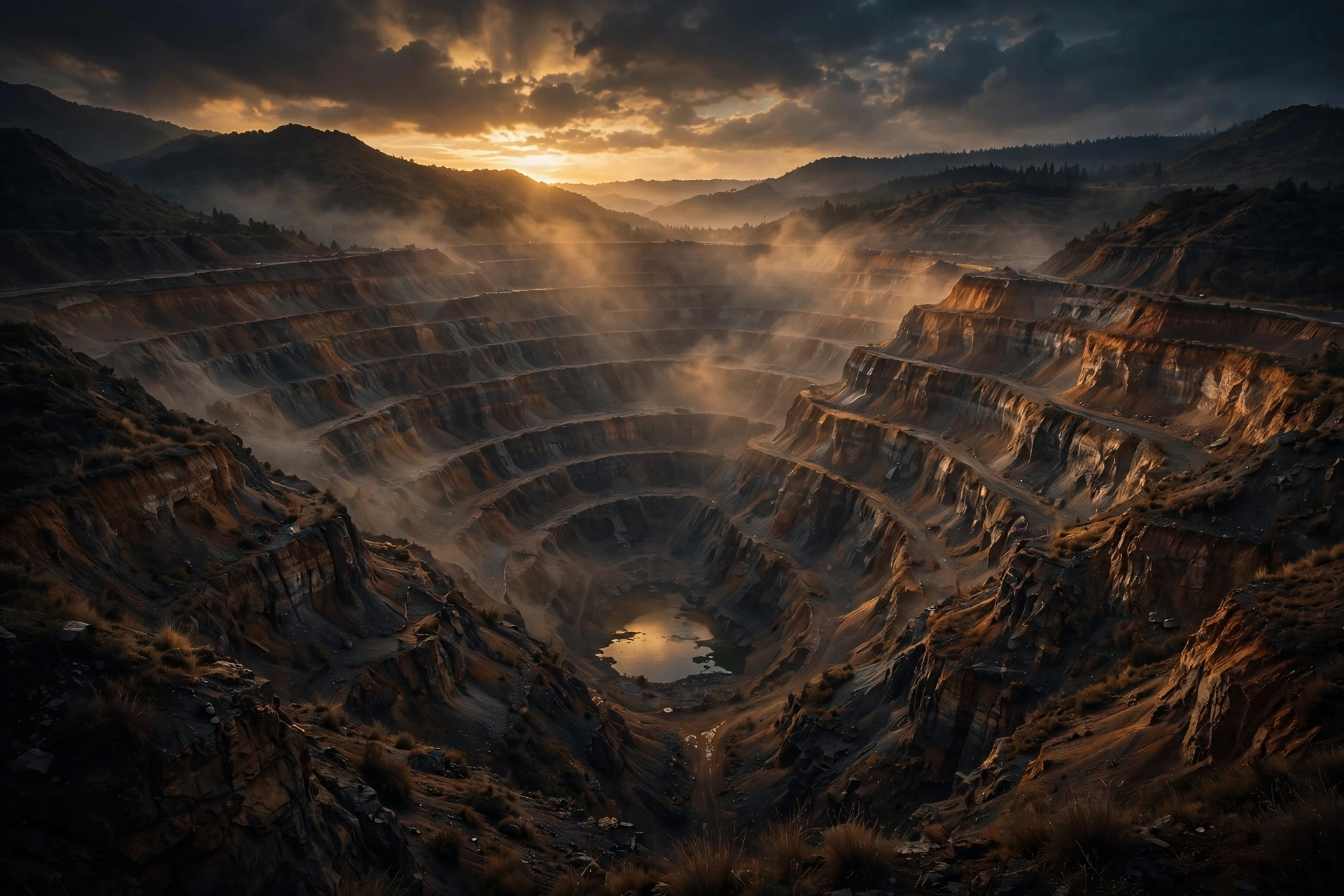
The mine is the opening chapter, not the final page. These conversations trace cobalt, copper, lithium and other materials from the ground into power systems, factories, vehicles, infrastructure and the devices people use every day.
The full pilot episode — forty-five minutes, start to finish. The hunt on the ground in Dawson City, where the legend began.
Dawson City made the Klondike a legend. Today the Yukon is one of the premier mining jurisdictions on earth — and the hunt is back on. Shawn Ryan of White Gold Corp and Peter Tallman of Klondike Gold Corp lead an epic treasure-hunting expedition through the ground where history happened.
Eight chapters: the discovery that started it all, the country that swallowed a stampede, and the modern hunt for what’s still hidden beneath it. This is Hunting Hidden Treasures.
The treasure hunters, the ground, and the story — Dawson City’s gold rush, then and now.
One episode in the can. The American West is next.
We don’t build an audience and hope the right people are in it. We build backwards — start with the story, and the people hunting that story find us.
Pick the ground. Silver in Peru. Gold in Nevada. Copper in Arizona. Every story starts with a metal, a place — and somebody already hunting it.
Every story has its hunters: the investor, the geologist, the deal-maker already searching for exactly that story.
The episode, the field report, the Pulse brief — built to be found, and placed where the hunt is already happening.
So the story lands with exactly the people hunting for it. They came looking for the story we told.
Silver hunters following Peru's historic belts — the ground Peruvian Metals works.
Gold hunters tracking Nevada's second gold rush — Mackay Gold & Silver's Comstock ground.
Copper hunters watching Arizona's copper districts — Faraday Copper's ground among them.
Silver hunters who know the Valley's names by heart — Bunker Hill and its neighbours.
Gold hunters working Montana's storied camps — and the ground still giving up colour around them.
Copper hunters watching the biggest copper ground in America — Rio Tinto's Kennecott.
The network isn’t a list. It’s on demand — as deep as the story goes.
A project becomes understandable when the audience meets the people taking the risk and doing the work.
Real operations, real ground and real context carry more weight than a stack of claims.
Setbacks, uncertainty and difficult decisions belong in the story. The hunt matters because the outcome is not guaranteed.
The audience should leave knowing what the material becomes and why the physical world depends on it.