
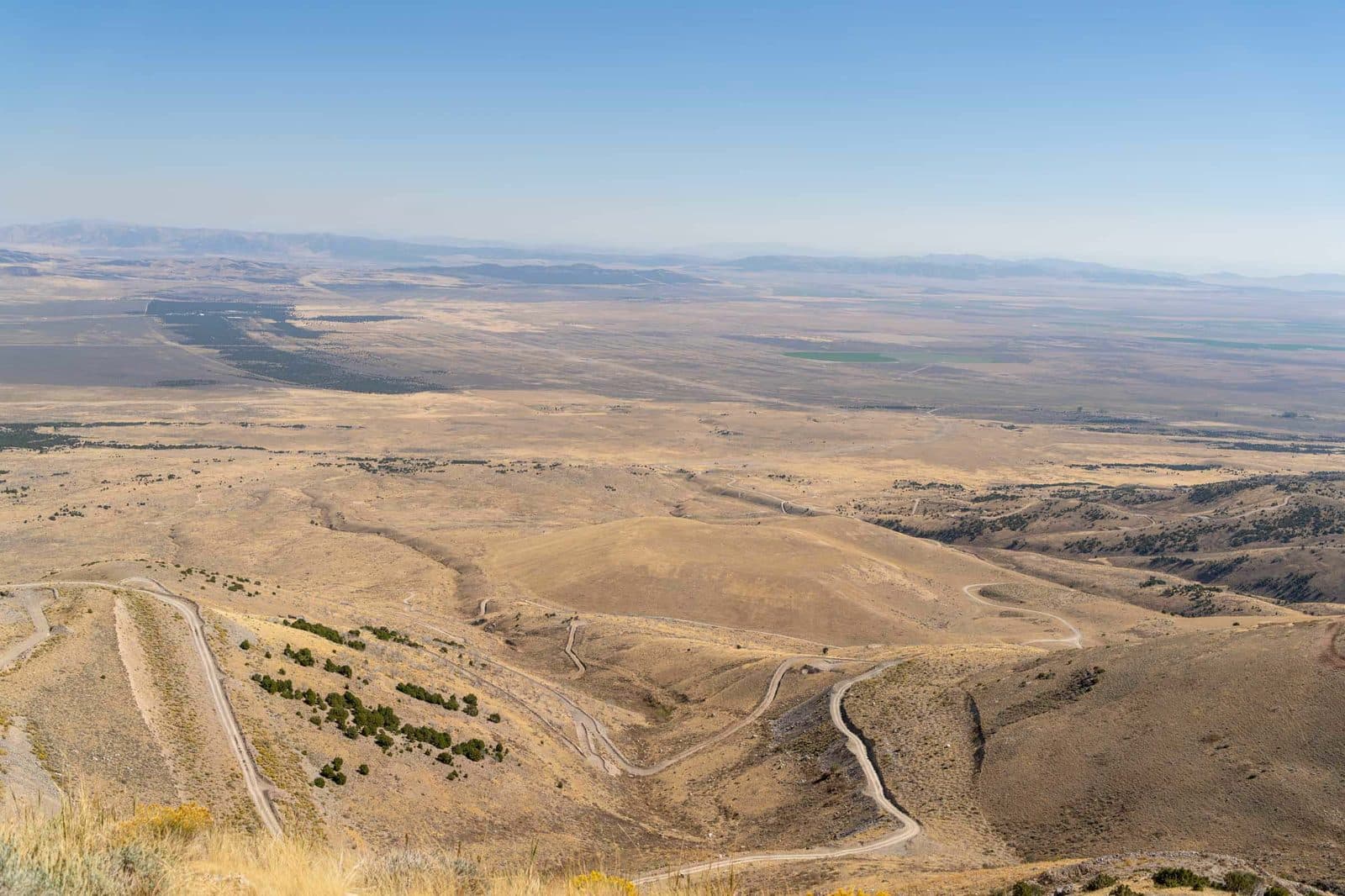
Thirty years ago, a gold mine in southern Idaho shut down with gold still in the ground — priced out by a weaker era. Now a feasibility study, a northern drill frontier, and a stack of equipment purchase orders say Black Pine is coming back, and coming back bigger.
Drive Interstate 84 through southern Idaho, an hour past Burley and two hours shy of Salt Lake City, and you cross ground that has already been a gold mine once. Black Pine sits in the hills of Cassia and Oneida counties, near the Utah line, where the Great Basin begins. It does not look like much from the highway. It rarely does. The gold here is oxide gold, spread fine and wide through layered carbonate and sandstone — a Carlin-style system covering some 14 square kilometres — and the first men to mine it understood what they had.
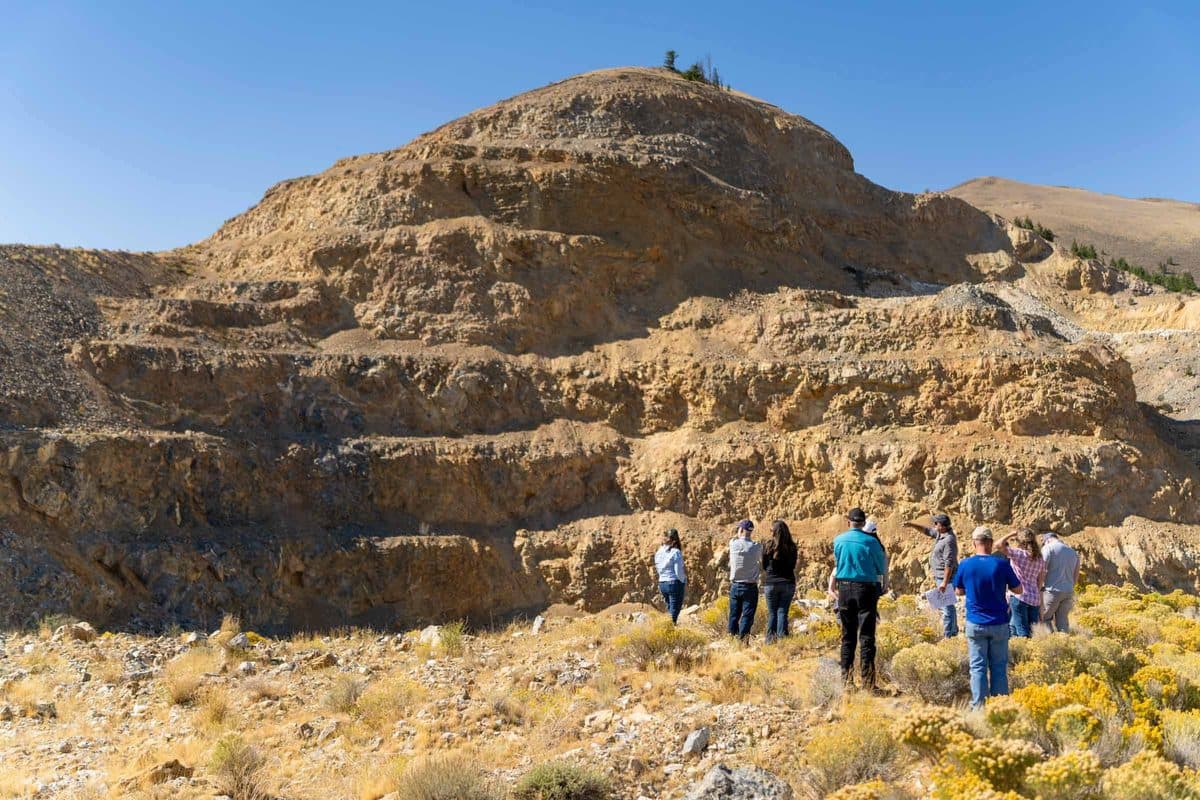
Pegasus Gold worked Black Pine from 1991 to 1997, digging five open pits and pouring 434,800 ounces of gold. Then the era turned. Gold in the nineties sold for a few hundred dollars an ounce, the economics thinned out, and in 1997 the mine closed — not empty, just uneconomic. The pits went quiet. The rock that hadn't paid at $300 gold stayed right where it was.
In June 2016, Liberty Gold bought Black Pine for US$800,000 in cash and 300,000 shares. What Liberty understood — and a decade of drilling has confirmed — is that the old-timers mined what their price deck allowed, and left the rest of a very large system behind.
A study that reads like a blueprint
This September, Liberty published a feasibility study for Black Pine, and the technical report followed on September 18. The numbers describe a mine, not a notion: a Probable Mineral Reserve of 4.04 million ounces of gold, enough for a 16-year mine life. Production would average about 202,000 ounces a year over the first five years and roughly 177,000 ounces a year across the life of the mine. The design is deliberately simple — an open pit feeding a run-of-mine heap leach, with no crushing, screening or agglomeration. Ore goes from pit to pad, as it did in the nineties — only at far greater scale.
Initial capital is estimated at US$411 million, with all-in sustaining costs of US$1,566 an ounce. At the study's base-case gold price of US$3,250 an ounce, Black Pine carries an after-tax net present value of about US$2.4 billion and an internal rate of return of 60.5%, paying its capital back in two years. Even at US$2,500 gold, the study still shows a project worth roughly US$1.2 billion after tax. Finished ahead of schedule, less than two years after the preliminary study, it anticipates on the order of 300 long-term jobs.
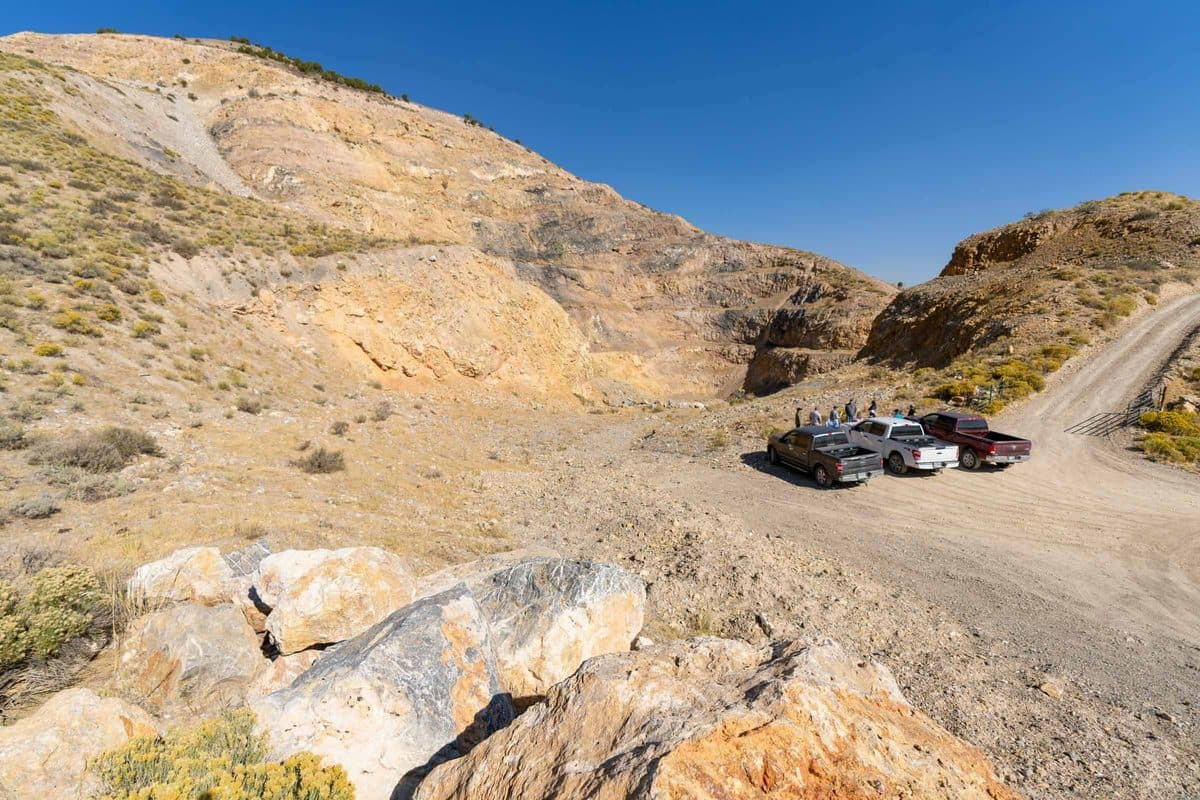
But the more telling news came on October 27, and it wasn't about what Black Pine could be. It was about what Liberty is already doing. Detailed engineering has been underway since August with M3 Engineering and NewFields, and the heap leach facility design is already about 15% complete. Liberty has also issued purchase orders to lock in fabrication slots for two long-lead equipment packages: the electrical infrastructure — transformers designed and supplied by Nexus Power of Salt Lake City — and the gold recovery plant, with fabrication work in Idaho and Utah.
Companies that are promoting a project publish studies. Companies that are building one order transformers.
Still growing — and the leftovers are ore
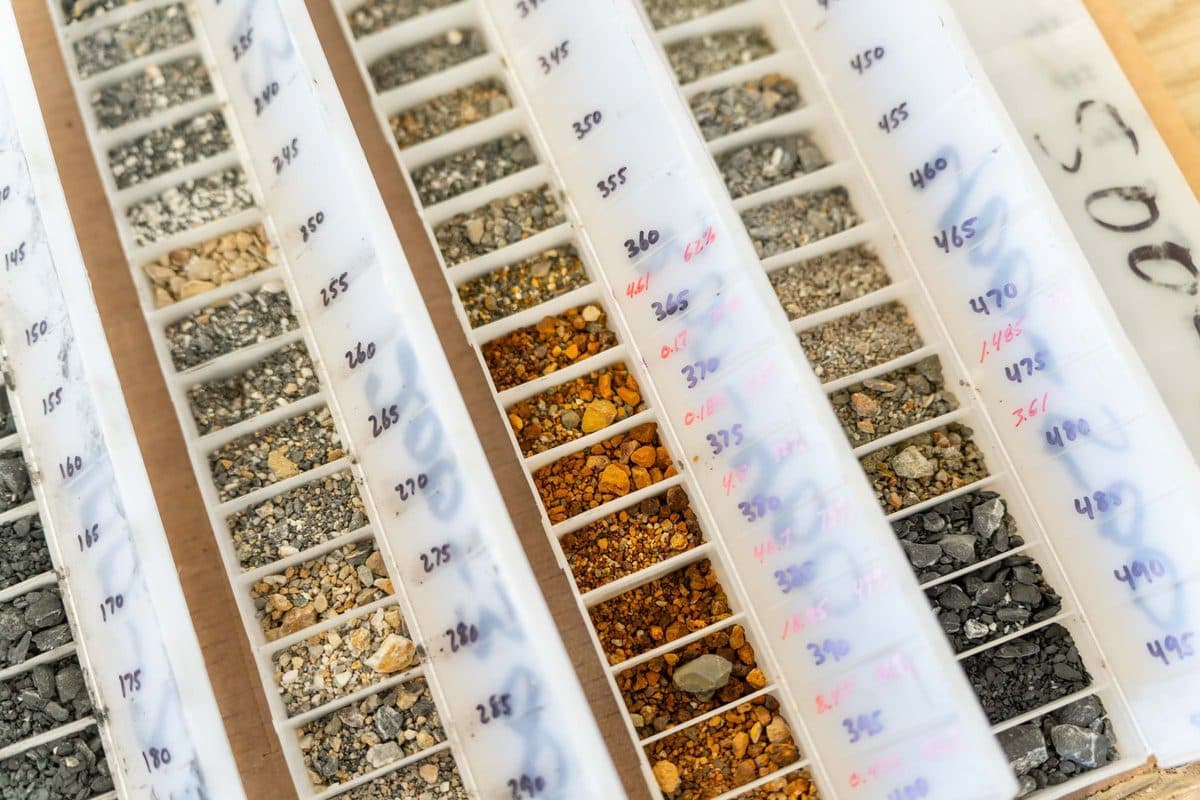
The ground, meanwhile, refuses to sit still. On October 22, Liberty reported the first assays from its 50,000-metre drill program for 2026, and the Rangefront Zone — one of the two big pits in the plan — pushed 200 metres further north, across a front some 400 metres wide, at grades above the reserve cut-off. The mineralization remains open to the north. One hole returned 0.36 grams per tonne gold over 144.8 metres, including 18.3 metres at 1.27 grams; another cut 62.5 metres at 0.42 grams. Liberty is targeting 25 to 35 million tonnes of inferred material for upgrade into higher-confidence categories.
Then there is the detail that would make the Pegasus crews smile. Liberty also drilled the Legacy Rock Storage facilities — the rock the old operation moved and set aside — and found gold above the reserve cut-off grade throughout. Material that was waste in 1995 is feed in this decade; the feasibility study already carries an indicated resource of about 190,000 ounces sitting in the old Legacy Heap Leach Facility alone. Yesterday's leftovers are becoming tomorrow's ore.
A builder at the helm
None of this is happening by accident, because the man running Liberty Gold has spent his career doing precisely this. Jon Gilligan came to Liberty in 2021 as chief operating officer and now leads it as president and CEO. He holds a PhD in gold mineralization from the University of Southampton, and his résumé reads like a tour of the world's open pits: integrating the Marigold heap leach mine in Nevada and running SSR Mining's Argentina operations through the permitting and construction of the Chinchillas mine; then 17 years at BHP, helping build Chile's Escondida Norte pit and serving as deputy project director on Australia's Olympic Dam expansion. This month he hired Curtis Cadwell, a veteran of more than 20 years with Barrick, as Black Pine's general manager. Gilligan is, in the end, a mine builder — and Black Pine is being run like a build.
The road from here
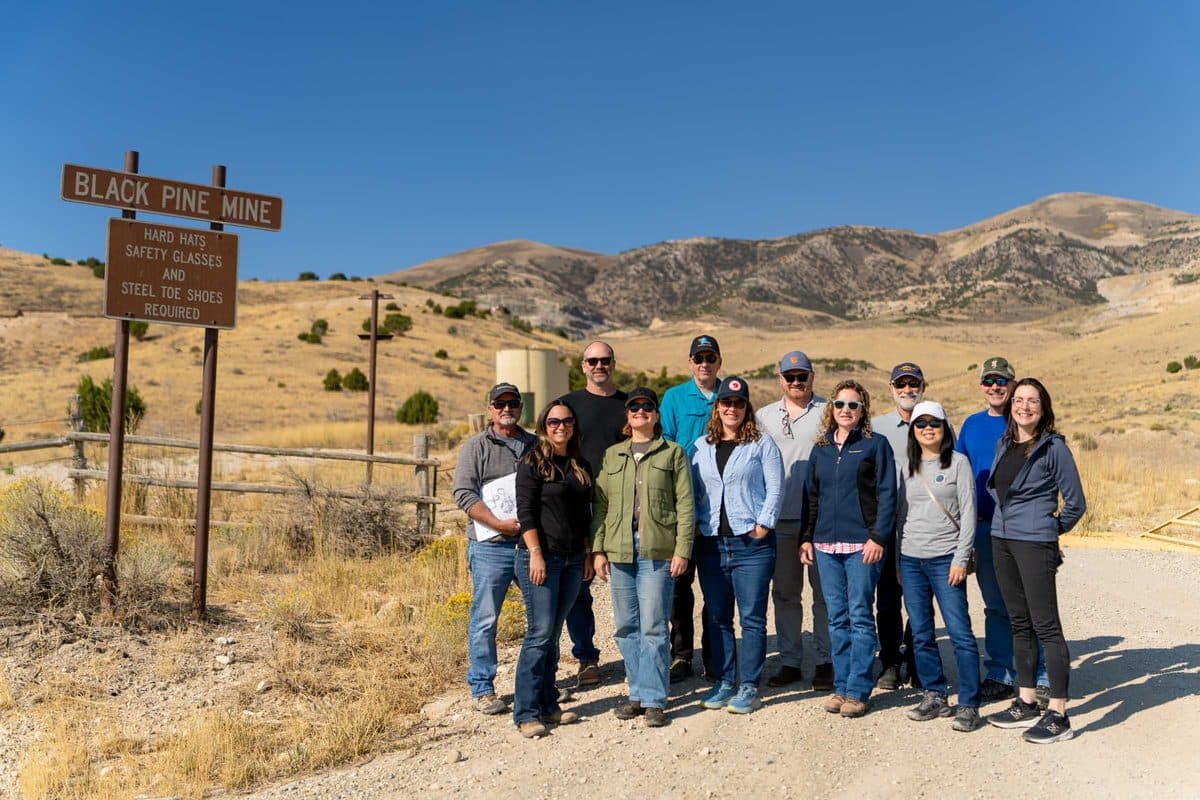
The path ahead is written on a calendar. An updated resource estimate lands in the first half of 2027. Permitting runs on the federal FAST-41 track: Liberty's Mine Plan of Operations was deemed administratively complete in November 2025, the Forest Service opened the environmental review with a Notice of Intent this past April, and the schedule targets a Record of Decision in January 2028, with a construction decision to follow. The unglamorous advantages are already in place — highway at the gate, grid power at the fence line, water rights secured — the inheritance of a mine that operated here before.
Idaho has been gold country since before it was a state, and Black Pine's second life is a reminder of how that story works. The gold never left. The price changed, the technology improved, and a team ready to do the engineering showed up. If it's not grown, it's mined — and in Cassia County, it is about to be mined again.
— Mining Our Future follows the people and projects building the next chapter of American mining.