
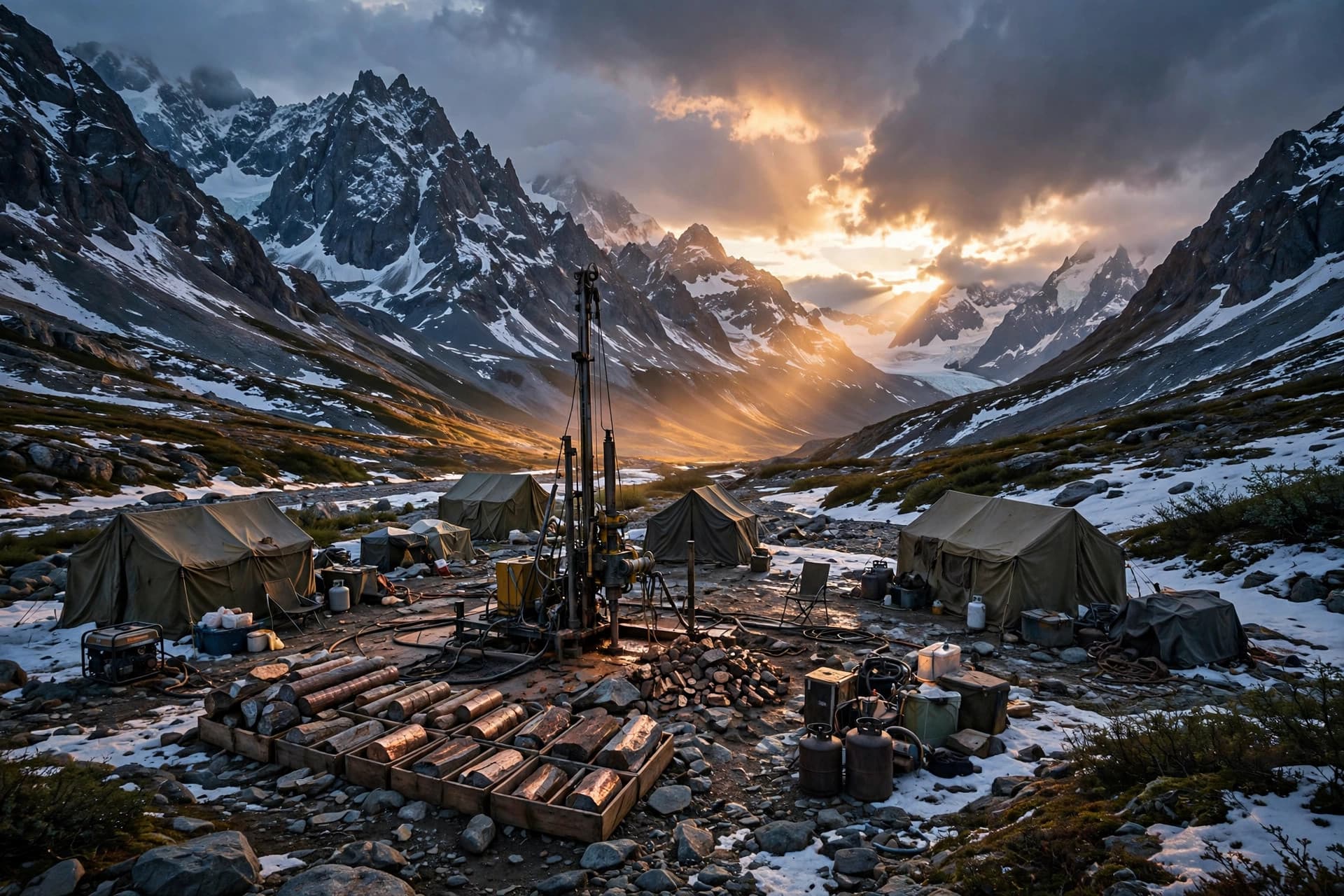
Agnico Eagle is stepping back from two Alaska exploration projects, and a smaller company is stepping in. On September 8, Agnico Eagle announced it is selling its Delta base and precious metal project and its Helm Bay gold project to Vizsla Copper Corp, taking company shares instead of cash.
- Agnico Eagle is transferring the Delta and Helm Bay projects in Alaska to Vizsla Copper for roughly C$32 million in shares, warrants, and royalties, not cash.
- Delta carries a historical inferred resource of 15.4 million tonnes grading copper, lead, zinc, silver, and gold; the figure predates current reporting standards and is not a compliant resource estimate.
- Agnico Eagle will hold about 20 percent of Vizsla Copper at closing, rising toward 22 percent if shareholders approve additional deferred shares.
- The deal still needs TSX Venture Exchange approval and is expected to close in the fourth quarter of 2026.
What is Agnico Eagle selling to Vizsla Copper?
Delta is a polymetallic project near the Alaska Highway in central Alaska, and Helm Bay is a gold project near tidewater in southeast Alaska. Both had been part of Agnico Eagle’s exploration portfolio. Under the agreement confirmed the same day by PR Newswire, Vizsla Copper will pay with roughly 22.5 million common shares plus warrants, and Agnico Eagle will also collect a 2 percent net smelter return royalty on Delta and a 3 percent royalty on Helm Bay.
Delta’s headline number, a historical estimate of 15.4 million tonnes averaging 0.6 percent copper, 1.6 percent lead, 3.8 percent zinc, 62 grams per tonne silver, and 1.7 grams per tonne gold, comes with an important caveat. As Canadian Mining Journal reported, the figure is explicitly labeled historical and does not meet current resource reporting rules, so Vizsla will need new drilling before it can publish an updated estimate investors can rely on.
Where do the Delta and Helm Bay projects fit in Vizsla’s Alaska plans?
Vizsla Copper already holds the Palmer volcanogenic massive sulfide project elsewhere in Alaska, so Delta and Helm Bay extend a portfolio the company was already building in the state. Neither press release disclosed a permitting timeline for either project, and both remain at the exploration stage with no production date attached.
Why does a junior explorer’s Alaska deal matter for U.S. metal supply?
Three of the metals named in Delta’s historical resource, copper, lead, and silver, were added to the federal government’s critical minerals list when the U.S. Department of the Interior finalized its 2025 list in November. That designation does not guarantee Delta ever becomes a mine, but it does mean any future permitting could move through the faster federal review track Washington has built for critical mineral projects, alongside possible funding support that was not part of this particular transaction.
What happens next?
The transaction requires TSX Venture Exchange approval and is expected to close in the fourth quarter of 2026. Agnico Eagle also picked up board nomination rights and future financing participation rights as part of the deal. Three milestone payments, tied to a larger resource disclosure, a completed feasibility study, and eventual commercial production at Delta, remain years away and depend on exploration results that do not yet exist. Vizsla will need fresh drilling and a compliant silver and base-metal resource estimate before Delta moves any closer to a mine plan.