Canada · Yukon Territory
Yukon Territory Mining, From the Klondike Stampede to Gold Rush 2.0
Dawson City’s placer legend, the hard-rock hunt south of the goldfields, and the Silver Trail’s Keno Hill district — a living Canada jurisdiction book beyond Season 1.
Field signal · Active
Enter the dossier
Scene 01 · Introduction
The Yukon sits in the northwestern corner of Canada, just east of Alaska: sparsely populated, naturally beautiful, and wild — a land of mountain ranges, plateaus, and river valleys. History remembers it for the Klondike Gold Rush. Mining people still rank it among the world’s premier jurisdictions. This living master is our Canada / territory book for Yukon — not a Season 1 US tour state. Its spine is the Hunting Hidden Treasures pilot *Rediscovering the Yukon* / *Dawson City Gold Rush 2.0*, the documentary expedition that followed placer legend into the modern hunt for hard-rock sources around Dawson City.
Scene 02 · How the Klondike wrote itself into the map
How the Klondike wrote itself into the map
In mid-August 1896, gold was found on Bonanza Creek, a tributary of the Klondike River. The party most often named in the public telling — George Carmack, Kate Carmack, Skookum Jim Mason, and Dawson Charlie — marks the conventional start of the stampede. Fortunes followed on nearby Eldorado Creek as well. When news of the diggings reached the outside world in 1897, an estimated hundred thousand people pointed themselves at the Yukon; only a fraction completed the journey, and fewer still got rich. The Chilkoot Trail out of Dyea, Alaska — the “Golden Staircase” — remains the photograph the world knows: lines of stampeders climbing toward Bennett Lake with a year’s provisions on their backs, because Canadian authorities required travelers to enter with enough supplies to last.
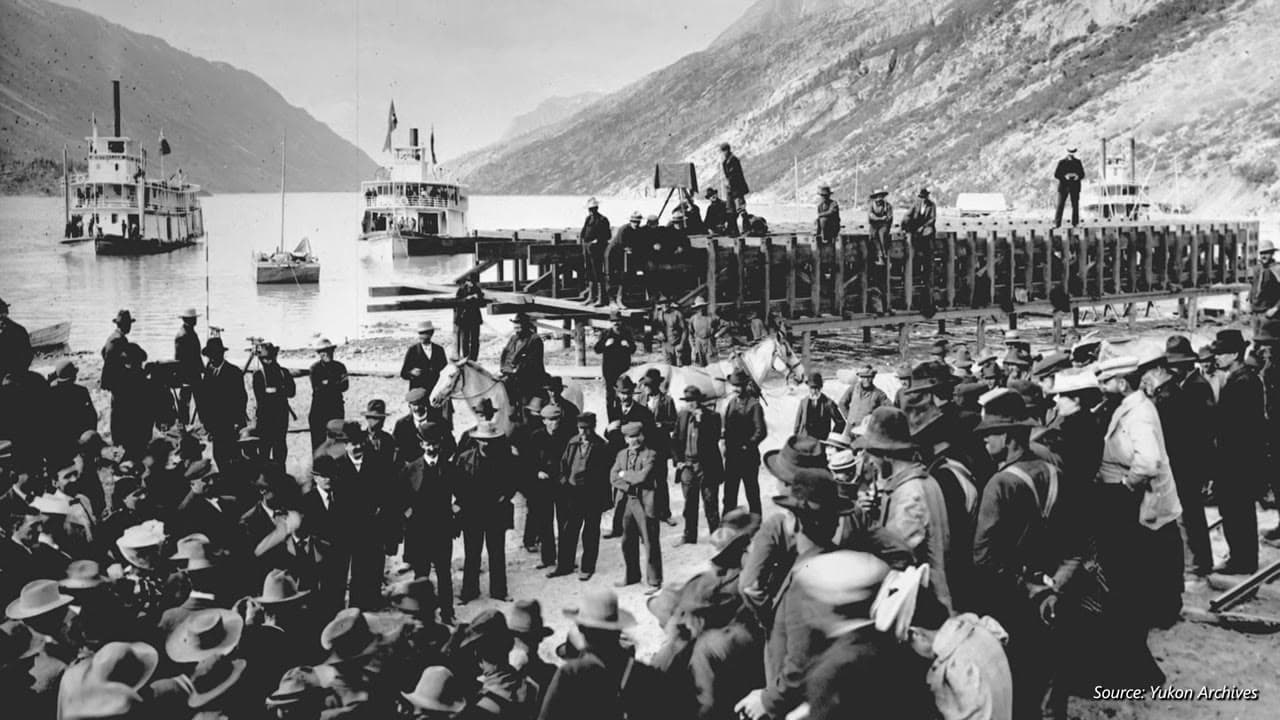
Dawson City rose at the confluence of the Klondike and Yukon rivers. Between 1896 and 1898 its population is commonly told as swelling toward forty thousand, then falling hard by the early 1900s as the easy placer ground played out and the rush moved on. The town that remains still wears frontier boards and raised wooden sidewalks; Robert Service’s cabin still stands for visitors who want the Bard of the Yukon beside the diggings. Even the hockey digression belongs to the romance: in 1905 the Dawson City Nuggets, backed by mining entrepreneur “Klondike Joe” Boyle, made their famous winter journey of thousands of miles to challenge Ottawa for the Stanley Cup — and lost badly, then won more than they lost on the long exhibition road home.
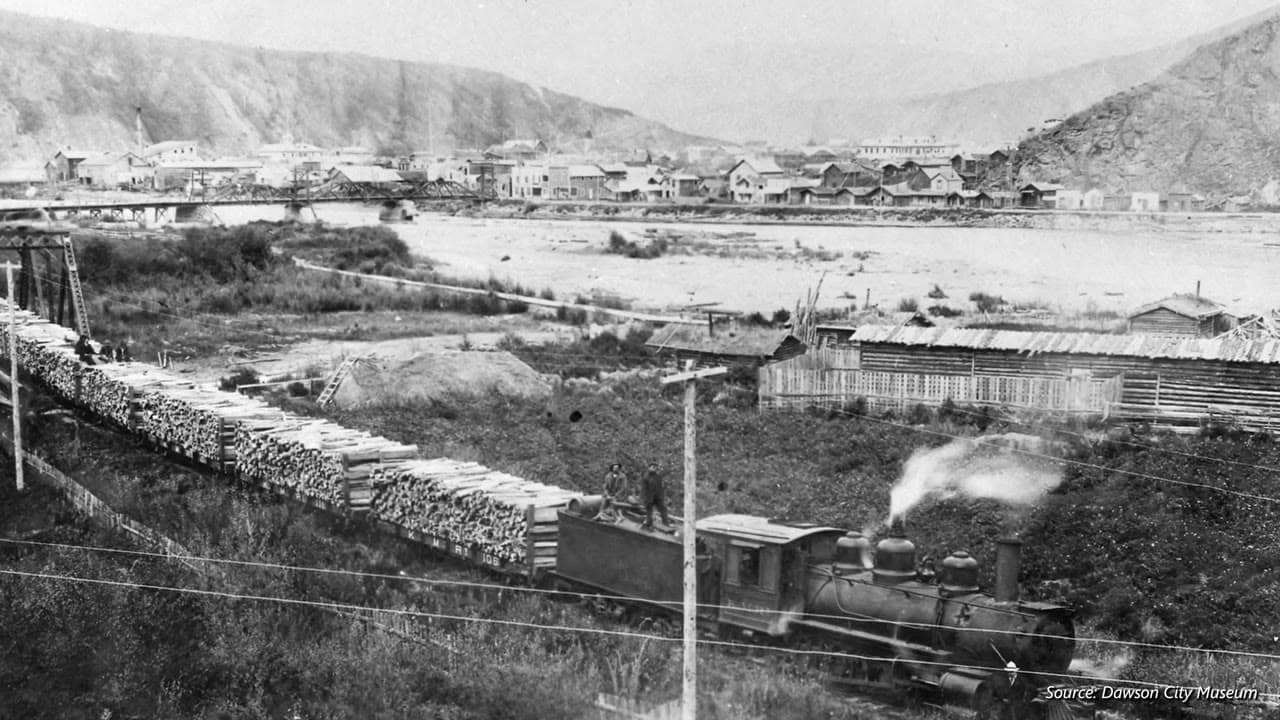
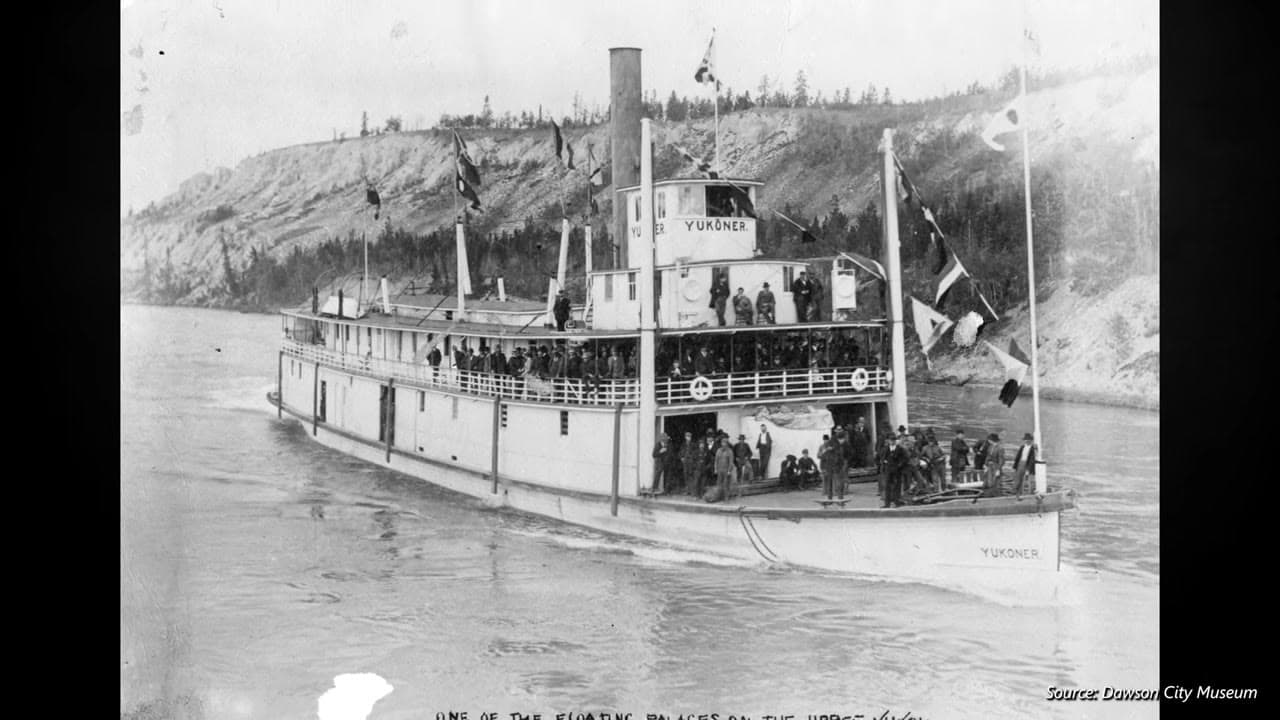
Placer gold never fully left. Dredges later chewed the valley floors; Dredge No. 4 became a public landmark of industrial recovery. What the stampede never fully answered was the harder geological question underneath the creeks: where did all that coarse, visible gold come from?
Scene 03 · Rediscovering the Yukon — Gold Rush 2.0
Rediscovering the Yukon — Gold Rush 2.0
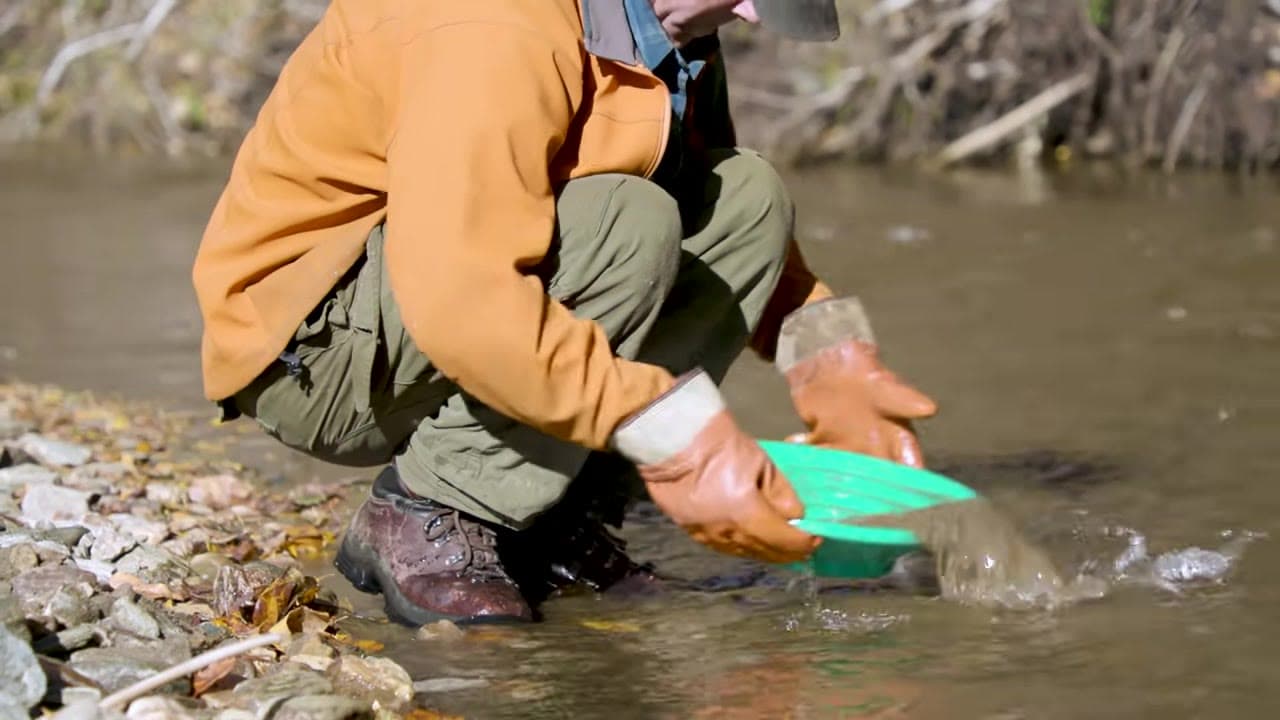
The Hunting Hidden Treasures pilot returns to that question as a living story, not a museum label. StockPulse’s expedition frames Dawson Country as a jurisdiction where history and modern exploration share the same ridges. The YouTube spine names two exploration companies working the district narrative on camera — White Gold Corp and Klondike Gold Corp — and follows prospector and technical voices who argue that the Klondike’s enormous placer endowment never had a fully mapped hard-rock source story south of Dawson until recent decades.
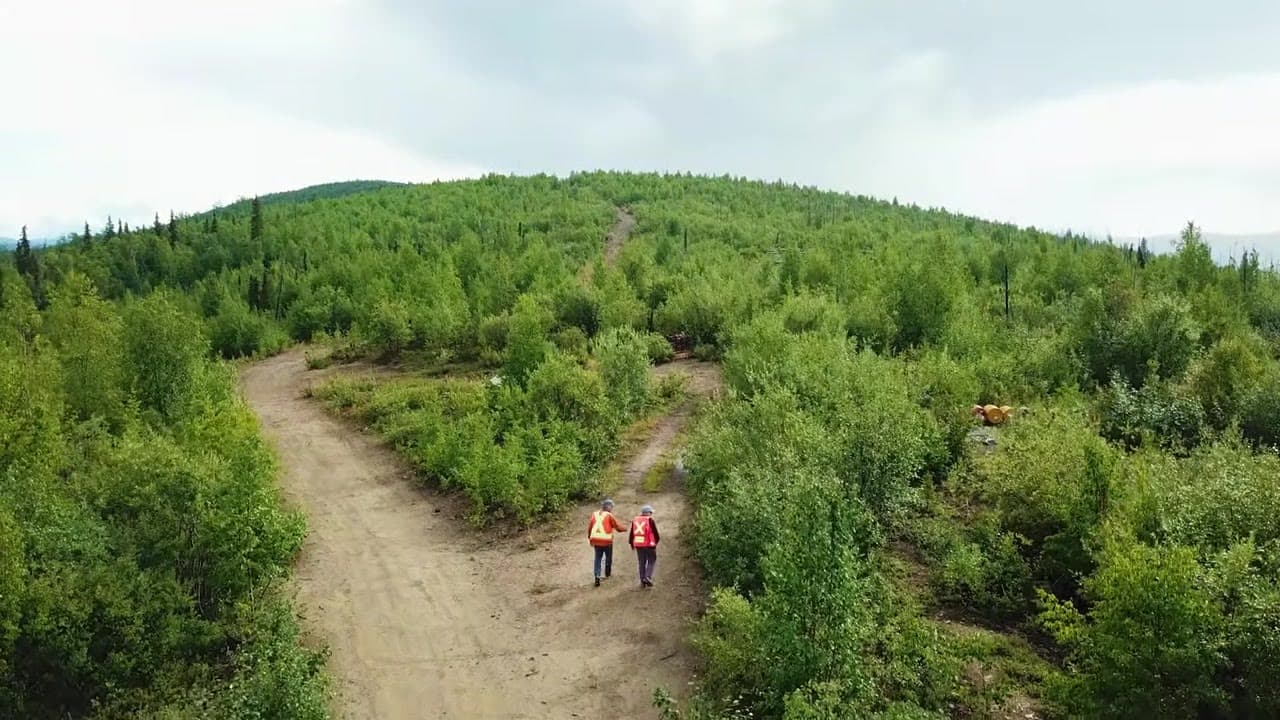
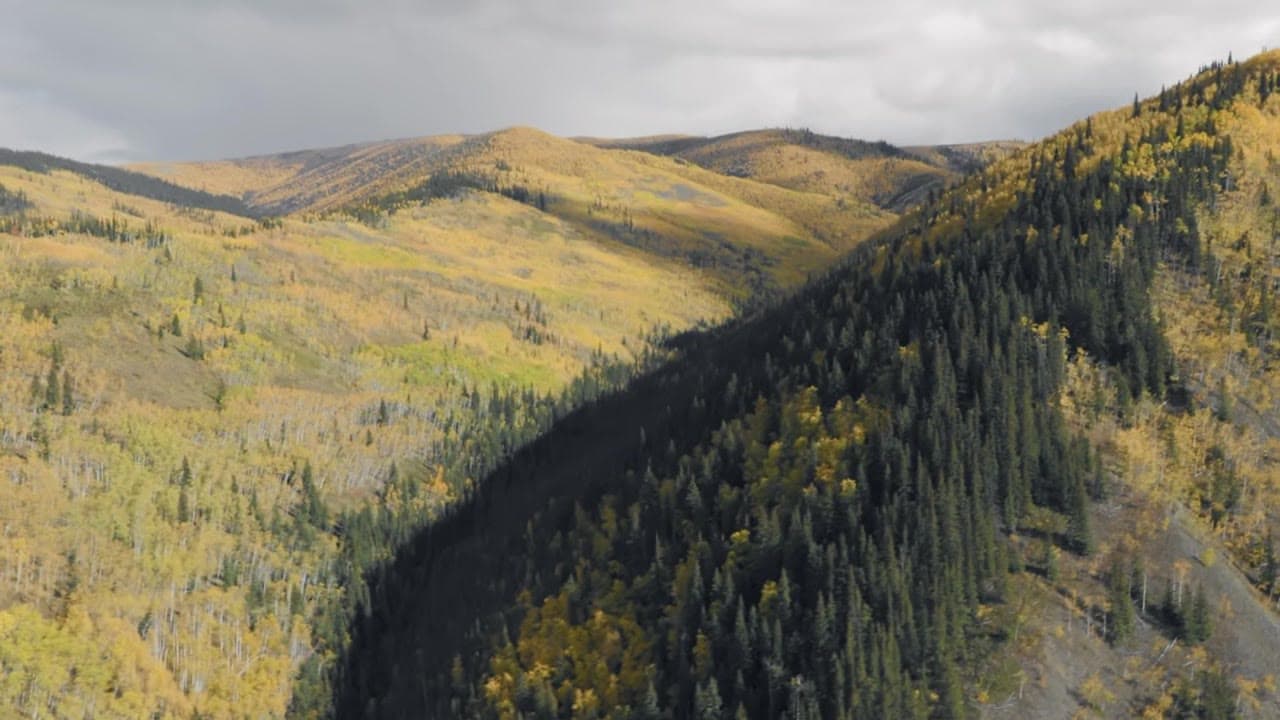
In the pilot’s telling, the modern rush is not only a gold-price story. It is also a discovery story: soil grids by the hundreds of thousands, drone and new science layered onto ground that stampeders walked, and the claim that major hard-rock finds in the White Gold District and neighboring systems finally gave the goldfields a bedrock chapter south of Dawson — including the idea that Coffee and related discoveries helped catalyze a new generation of juniors onto Yukon ground. The trailer line that sticks is simple and fair to the romance: this is a place that links 1896 to today; you never know what you will find when you dig a little bit.
We recount that pilot as the article spine of this book. Appearing in the documentary is not a Mining Our Future partnership, and public Pulse never lists tickers. Company names appear here because they are part of the public Yukon story the pilot filmed — the same rule we use for living US state masters.
Scene 04 · The Silver Trail and Keno Hill
The Silver Trail and Keno Hill
East of Dawson, another Yukon chapter runs along the Silver Trail toward Mayo and Keno City. Rich silver-lead ore on Keno Hill drew a camp after 1919; Keno City grew and emptied with the mines. When United Keno Hill closed in 1989, the community contracted almost overnight. The district’s deposits later returned to public attention under successive operators; Hecla Mining is widely noted in public summaries as the company owning and operating silver-lead-zinc deposits in the Keno Hill area in the present era, with Elsa among the associated place-names on the map.
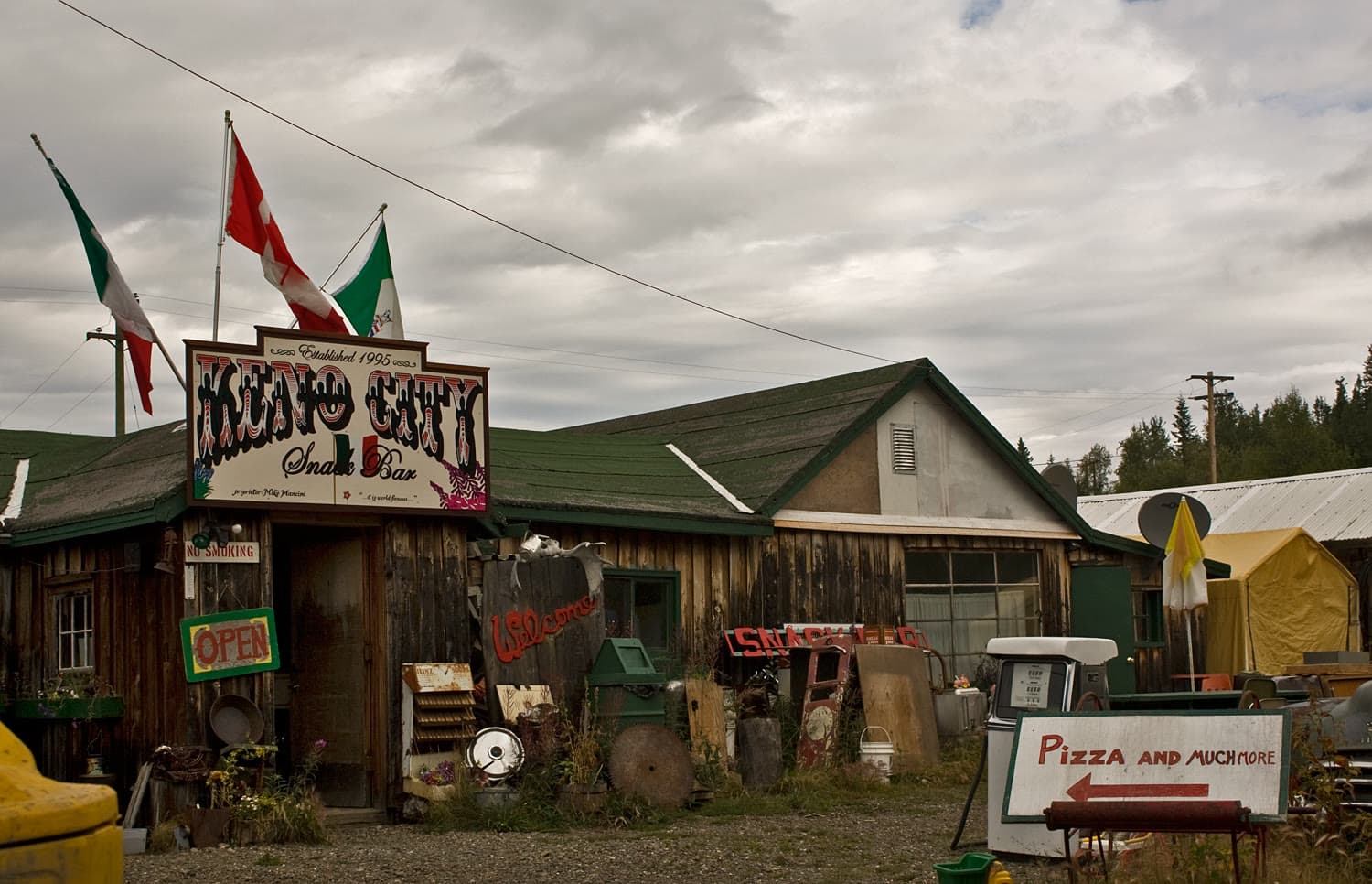
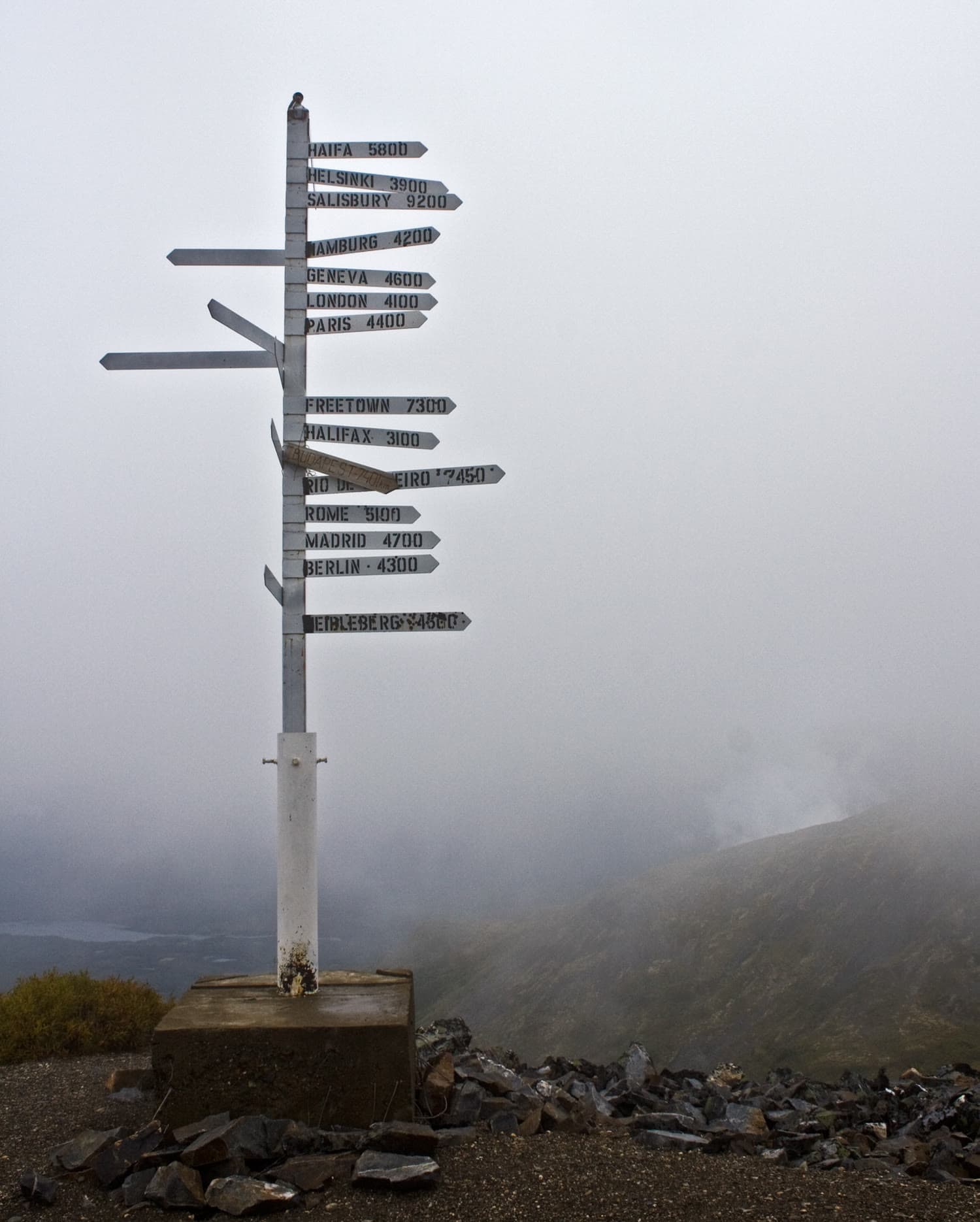
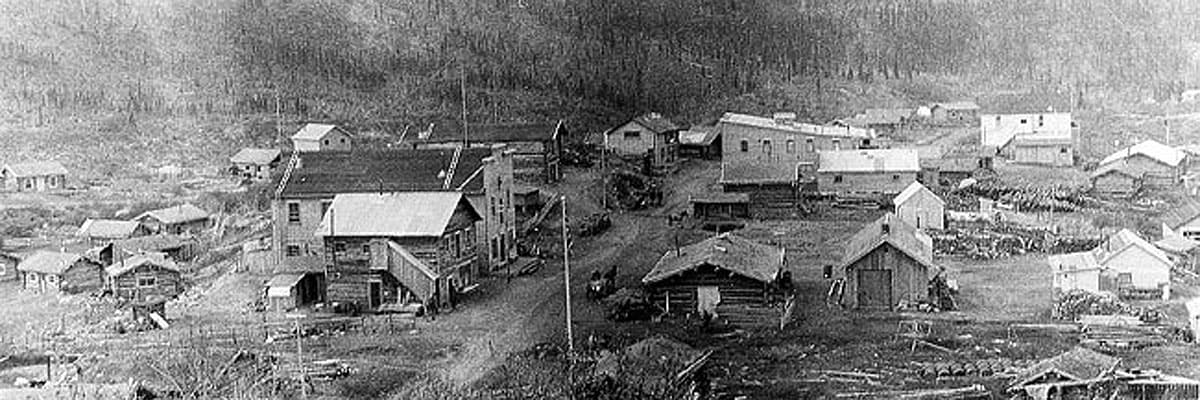
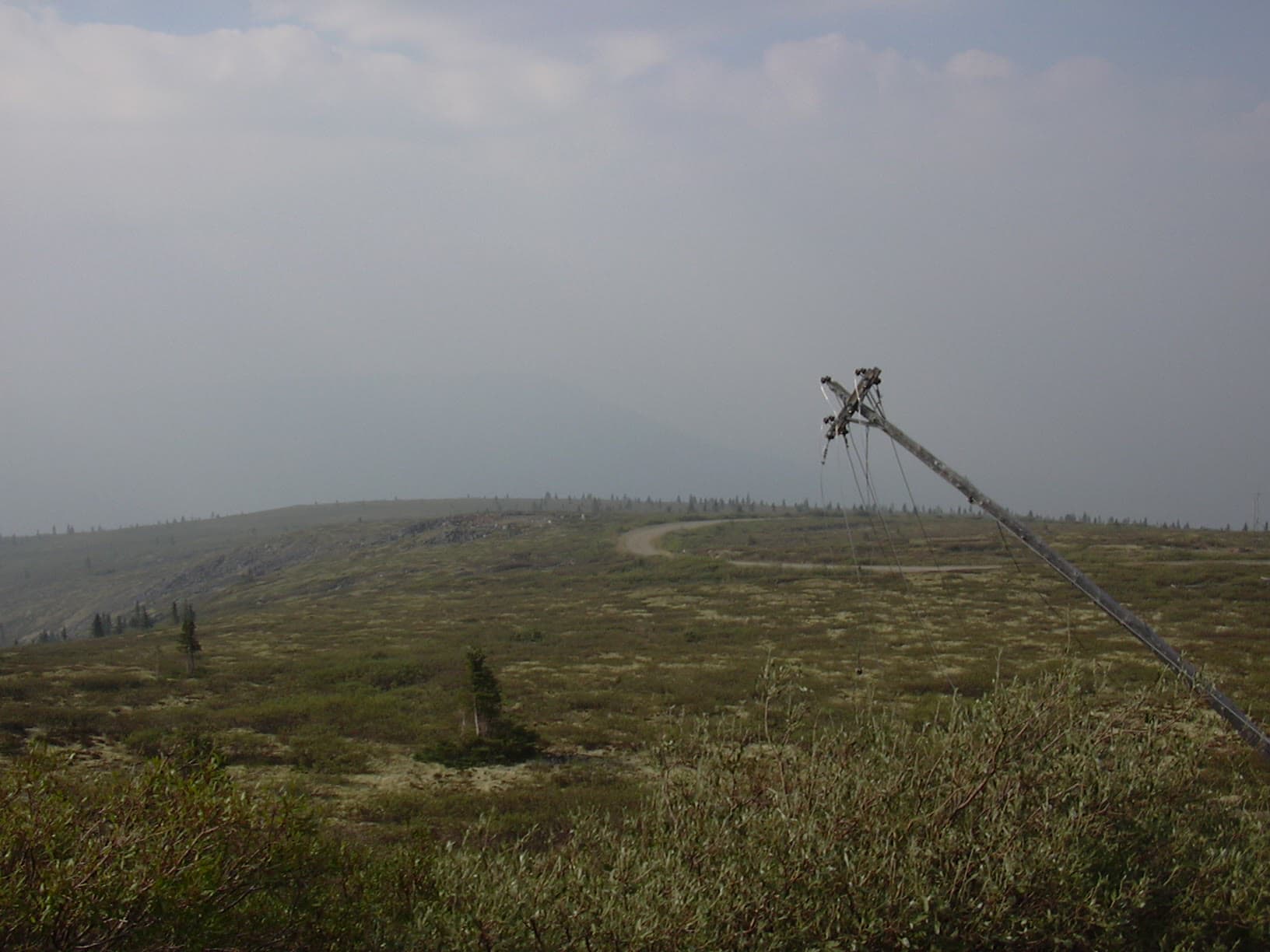
The Silver Trail is alpine tundra, old power poles, and valley weather — a different romance from Dawson’s boardwalks, but the same territorial truth: Yukon mining is a stack of districts, not a single creek. This master leaves deliberate room for a future company chapter on the Silver Trail when a partner signs. Until then, the district stands as public geography and history only — no ticker, no invented booking.
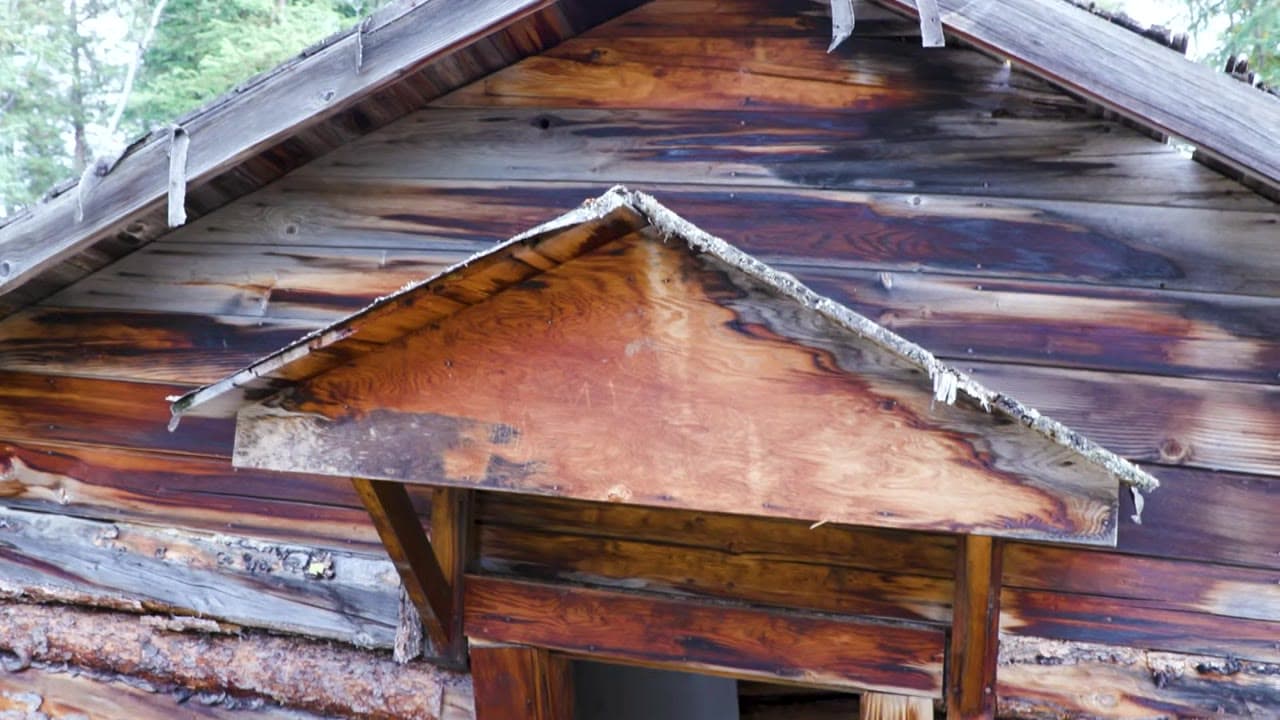
Scene 05 · Silver North — reserved chapter (placeholder)
Silver North — reserved chapter (placeholder)
Architecture note for the living file: after the Jason Weber interview lands, Mining Our Future will publish a standalone Silver North article first, then insert that finished piece as a chapter into this Yukon master. Until that interview and article exist, this heading is a spine placeholder only.
Do not invent dialogue, drill results, or Jason Weber quotes here. Public geography plates for Mount Haldane and the Silver Trail may sit under this heading as atmosphere; they are not a company chapter and not a partnership claim.
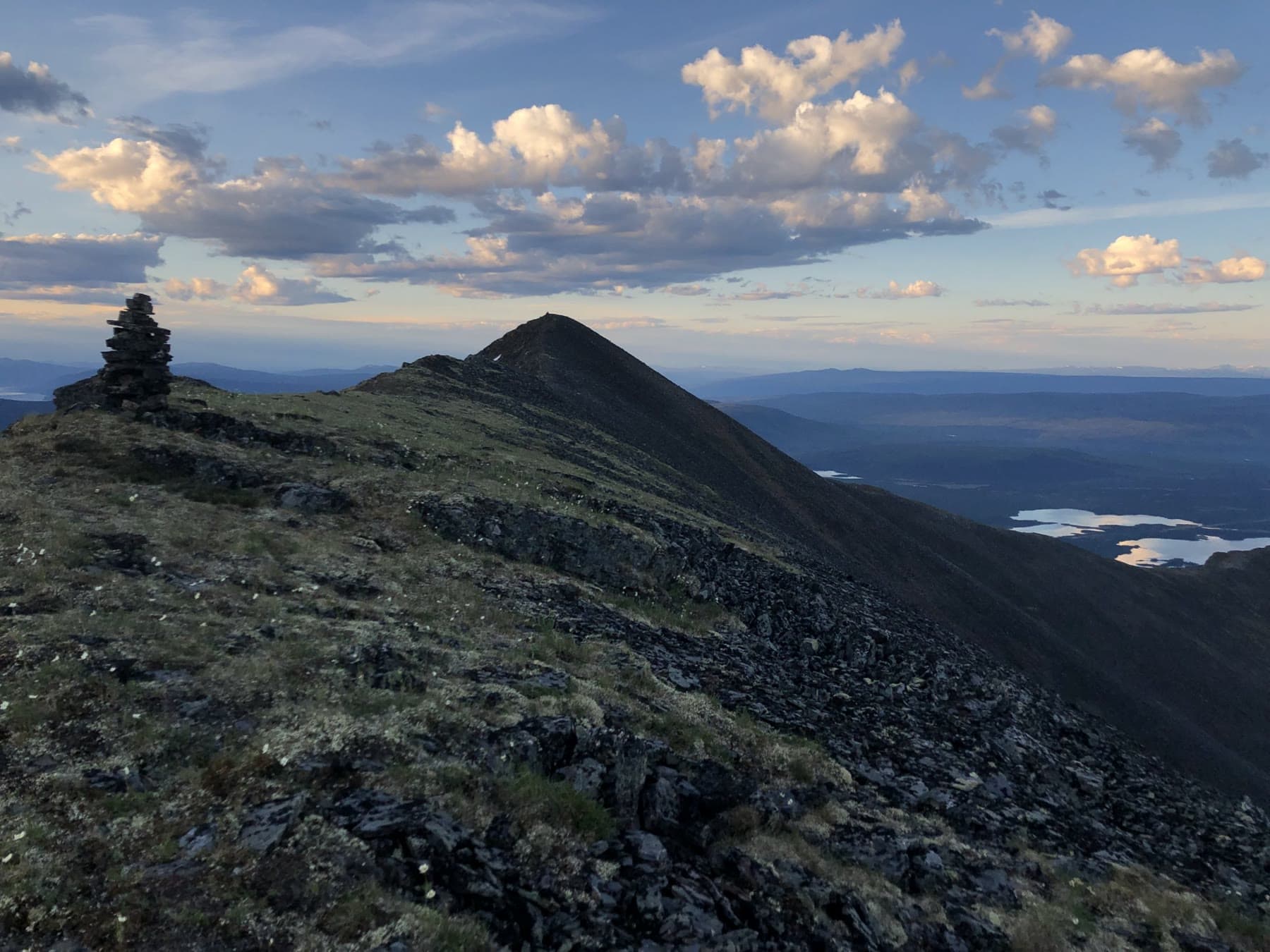
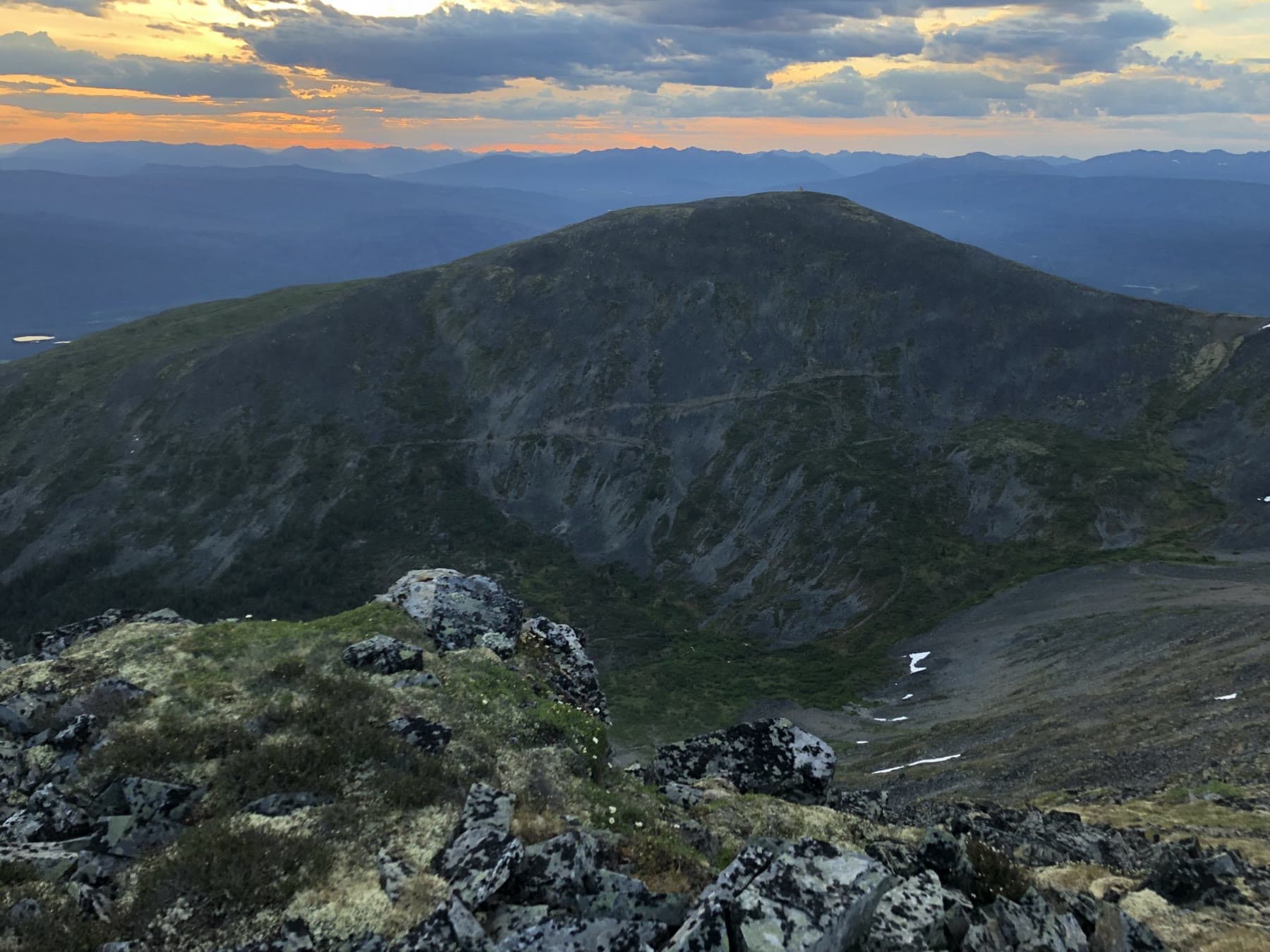
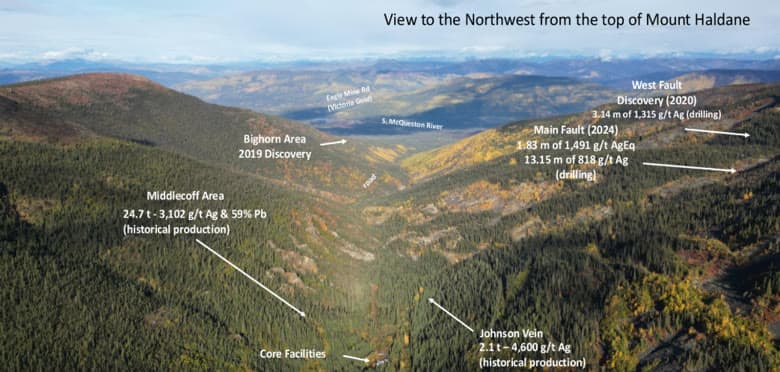
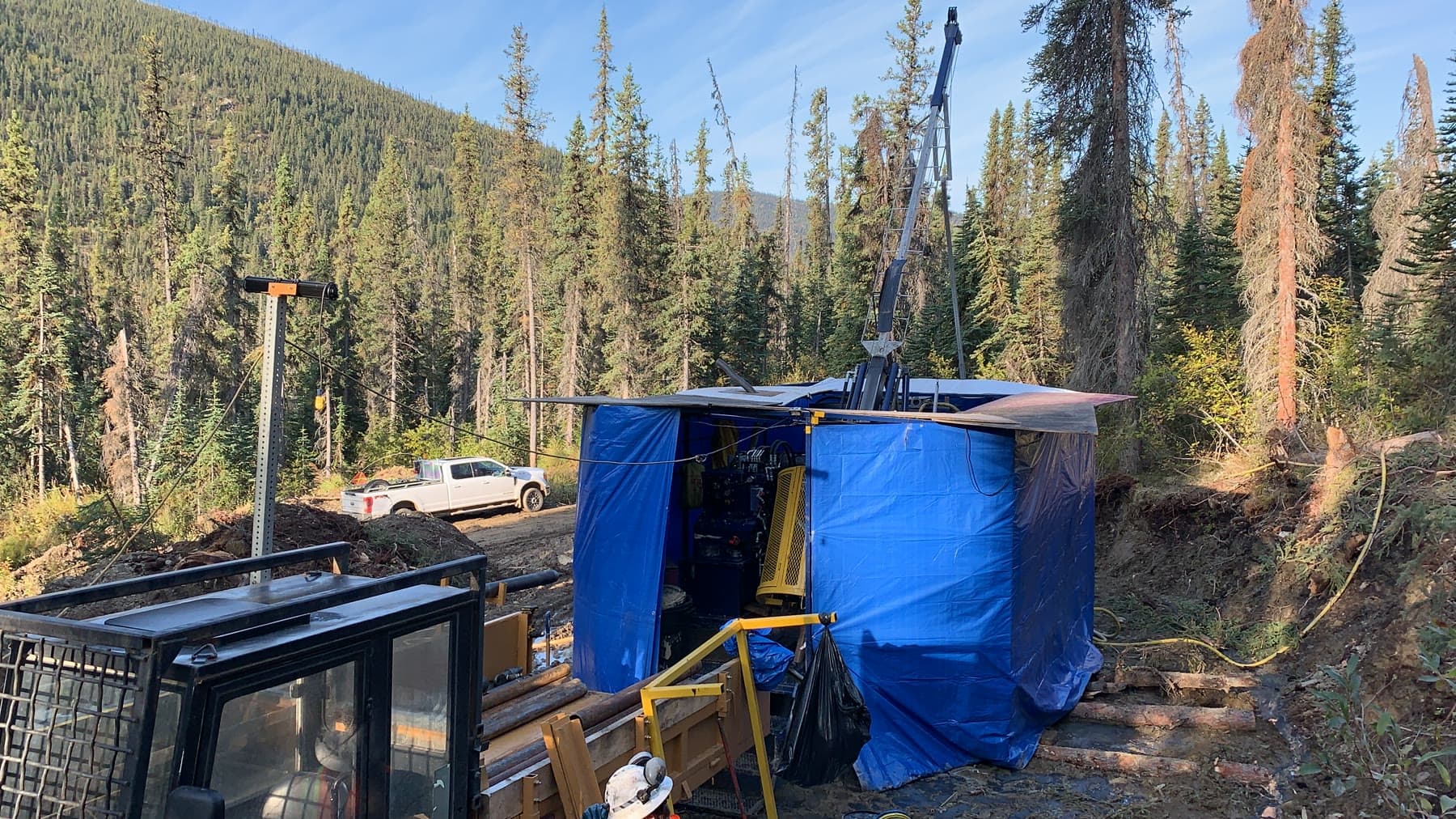
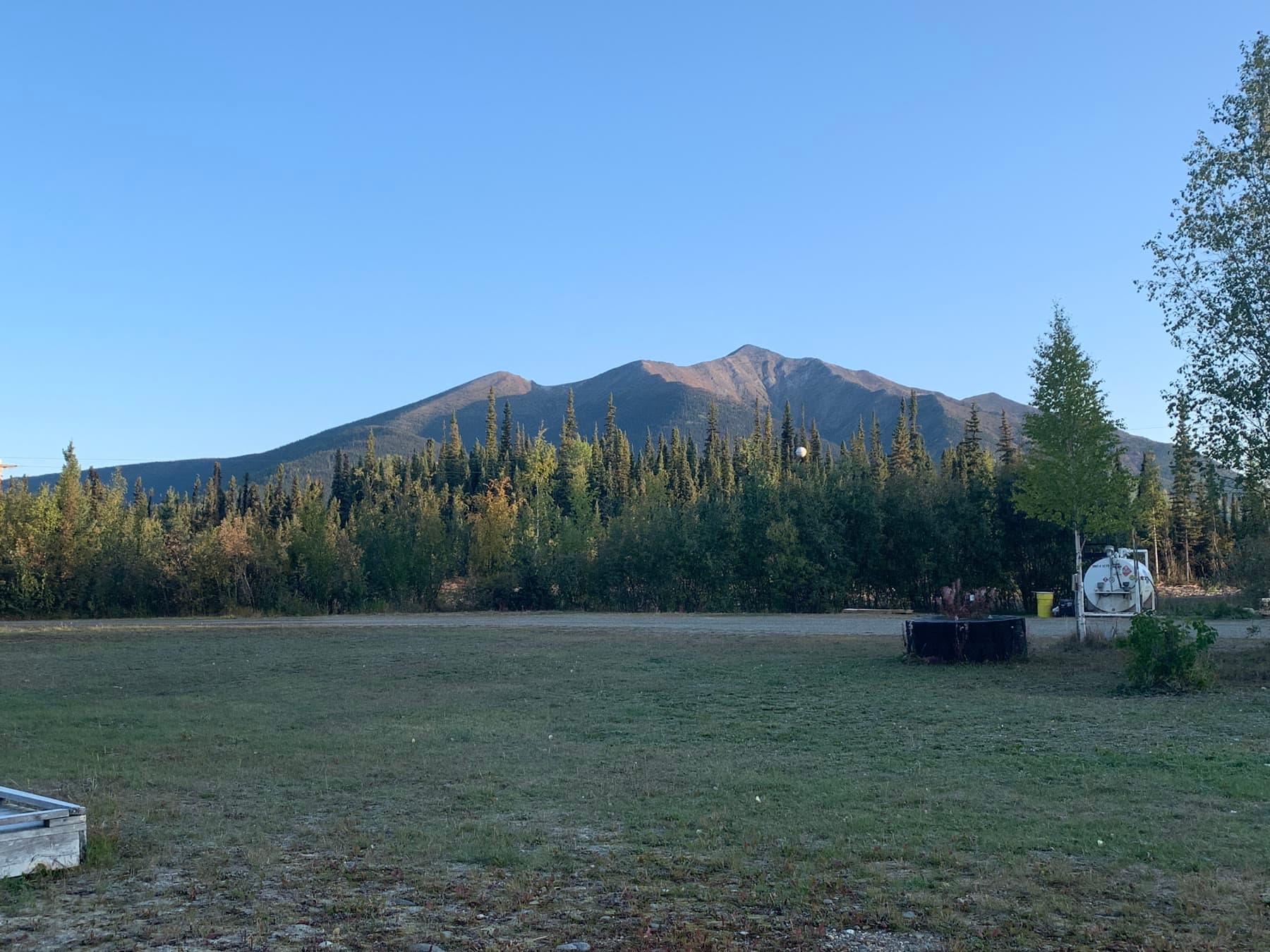
When the interview and standalone article ship, replace this placeholder block with the chapter insert and keep tickers out of public Pulse.
Scene 06 · Who matters on the public Yukon map
Who matters on the public Yukon map
- Placer and heritage Dawson — Bonanza, Eldorado, the confluence townsite, Dredge No. 4, and the Chilkoot memory that still defines how the world pictures the territory.
- White Gold District exploration — the hard-rock south-of-Dawson chapter filmed in the pilot, including White Gold Corp’s district-scale story as told on camera.
- Klondike Gold Corp’s Dawson-area ground — the pilot’s second expedition thread, including Eldorado Creek history tied to claims in the company’s public narrative.
- Keno Hill / Silver Trail — silver-lead-zinc district geography from Keno City to Elsa, with Hecla’s public operating role in the modern district summaries.
- Silver North (reserved) — Haldane / Silver Trail chapter reserved for the post-interview standalone article insert. Placeholder only until Rob ships that piece.
- Yukon as an economy — mining remains the territory’s largest private-sector contributor in the pilot’s framing; Whitehorse is the capital and logistics hinge for a sparsely peopled north.
We add names as public work moves. Appearing here is not a tour booking and not a partnership.
Scene 07 · Not on the Season 1 US tour
Not on the Season 1 US tour
Season 1 of Hunting Hidden Treasures rolls the Western US heartland — Idaho through Colorado on the living tour list. Yukon Territory is not a US tour state and does not appear in Season 1 tour order. This page is the jurisdiction shelf for Canada: a place to grow Yukon chapters, afar invites, and signed company stories without bending the US route map.
When a Yukon partner locks in, their company chapter can land in this book. Until Rob says ship on a chapter, the pilot remains the spine and the Silver Trail stays reserved ground.
Scene 08 · Gaps for the living file
Gaps for the living file
The pilot episode and trailer were recovered from YouTube (description + captions). The huntinghiddentreasures.com pilot article HTML could not be fetched from our build environment (TLS cipher mismatch to the site). If Rob has a local export of the June 2022 article, drop it into the source bank and we will reconcile any line the captions softened or skipped. No dialogue in this master was invented to fill those gaps.
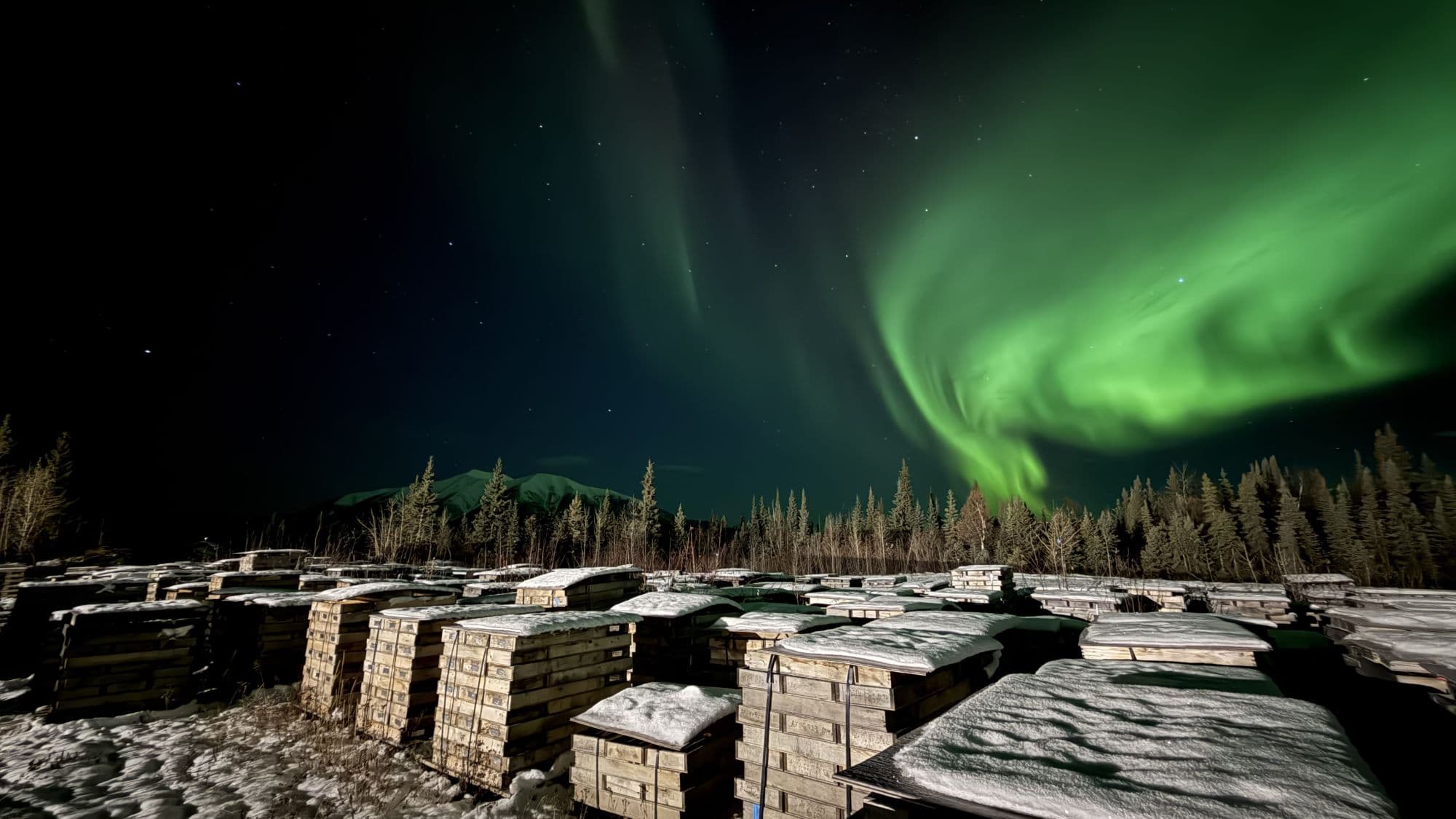
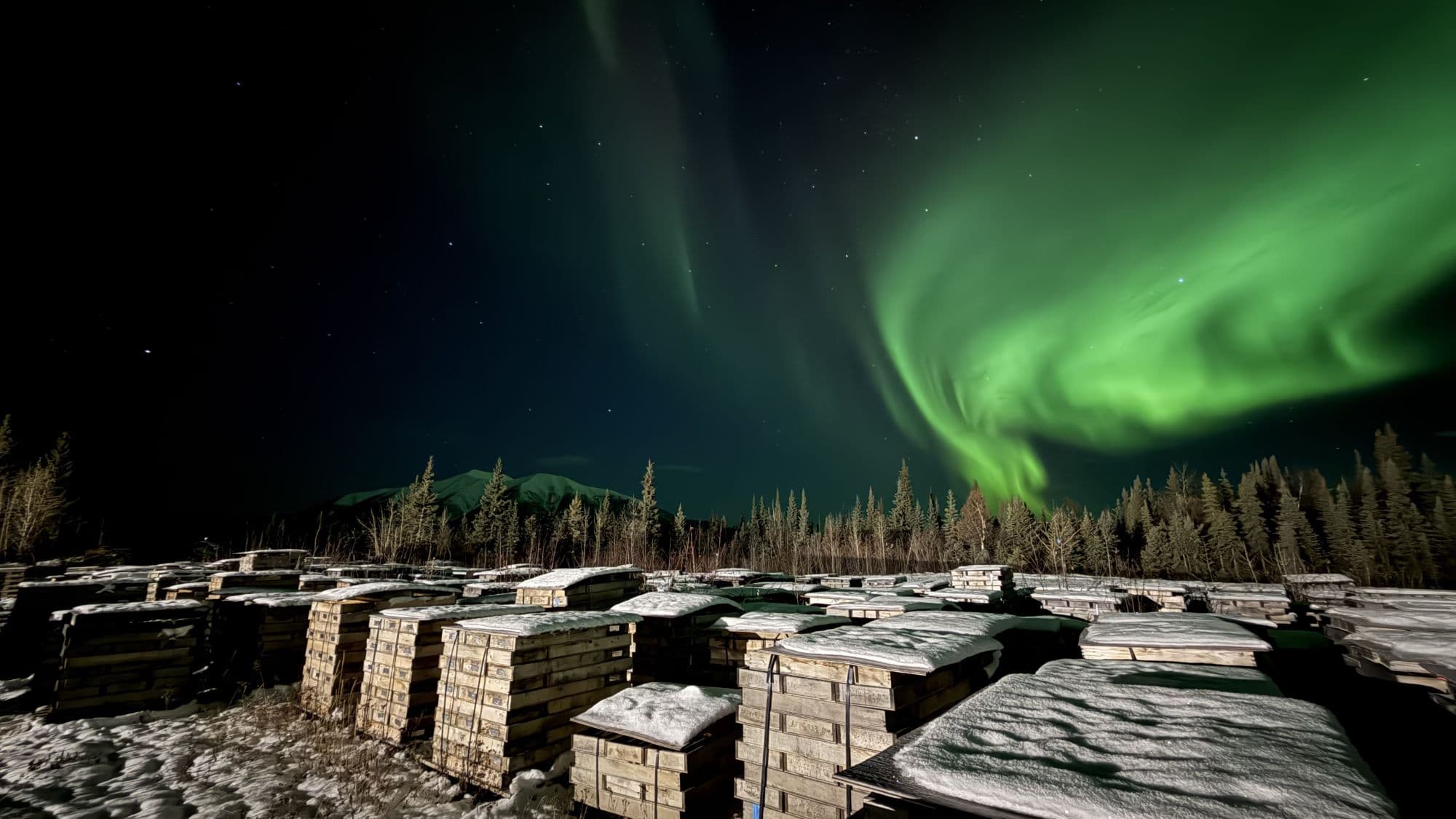
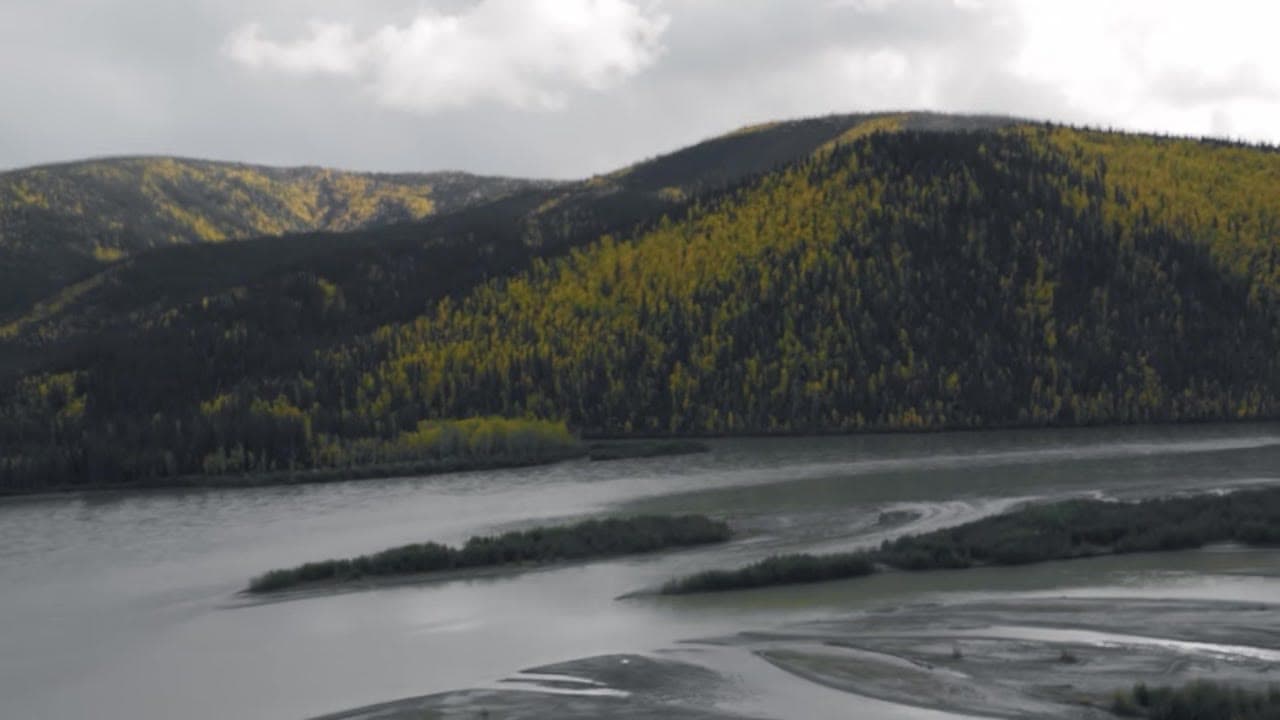
In-body plates mix Silver Trail / Haldane geography banks with stills extracted from the HHT pilot *Rediscovering the Yukon* (IA8r06EzApc). Hero art is the northern-lights Mount Haldane plate — not the retired low-resolution Commons crop.